Top 10 Discount Window Suppliers for Global Buyers

Top 10 Discount Window Suppliers for Global Buyers

For global buyers, discount windows can reduce project costs, but a low price alone says little about long-term value. A narrow frame may look efficient on a quotation; the wrong glazing can still bring glare, heat gain, or uncomfortable drafts. Building scientist Joseph Lstiburek is often quoted as saying, “Windows are the weak link in the building envelope.” That warning matters when comparing suppliers: a window is not just a product line on a spreadsheet.

Price matters. Fit matters more. This guide to the Top 10 Discount Window Suppliers for Global Buyers examines more than advertised discounts. It considers product range, customization, documented performance data, production capacity, packaging, shipping support, and after-sales service. Buyers should check ratings such as U-factor and solar heat gain coefficient against their project requirements, then confirm applicable testing and certification with the supplier. A sample, a clear specification sheet, and a written warranty can answer questions that a sales photo cannot.

The comparison is a starting point, not a universal verdict. Regional climate, opening dimensions, installation methods, and delivery routes can change which supplier makes sense. Even a promising quotation may leave gaps in lead times or replacement-part terms. Details decide. The suppliers featured here serve different priorities, from straightforward budget orders to more tailored projects. Use the list to ask sharper questions, compare like with like, and verify every important detail before committing. One caveat remains: “discount” is not a performance standard.
Top 10 Discount Window Suppliers for Global Buyers

Understanding Discount Windows and Their Main Product Types

A discount window is not a separate design category. It is usually a standard unit offered at a lower price because of surplus stock, discontinued dimensions, bulk orders, or minor cosmetic marks. The reason for the markdown matters. Ask whether the windows are new, returned, or clearance stock. A small surface scratch may be harmless. A warped frame is not.

Common types include fixed, sliding, casement, awning, and double-hung windows. Fixed units bring daylight into spaces without opening. Sliding windows move horizontally along a track. Casement windows swing outward on hinges, while awning windows hinge at the top. Double-hung models have two vertically moving sashes. Some suppliers also carry tilt-and-turn designs. Each opening style affects ventilation, cleaning, and hardware needs.

For global purchasing, compare exact dimensions, frame material, glazing, and included hardware. Check performance data and packaging details, not just product photos. A practical sourcing lesson: a low unit price can be misleading if the window needs costly adjustments to fit an opening. Request technical drawings, sample details, lead times, and warranty terms before placing a bulk order. Requirements can vary with climate and destination, so a suitable specification deserves careful review.

Key Criteria for Evaluating Window Suppliers

When comparing discount window suppliers, begin with the product specification, not the headline price. Confirm frame material, glazing type, dimensions, opening direction, and stated performance ratings in writing. Ask whether quoted measurements refer to the frame or the rough opening. That small distinction can create costly installation delays. Small details matter.

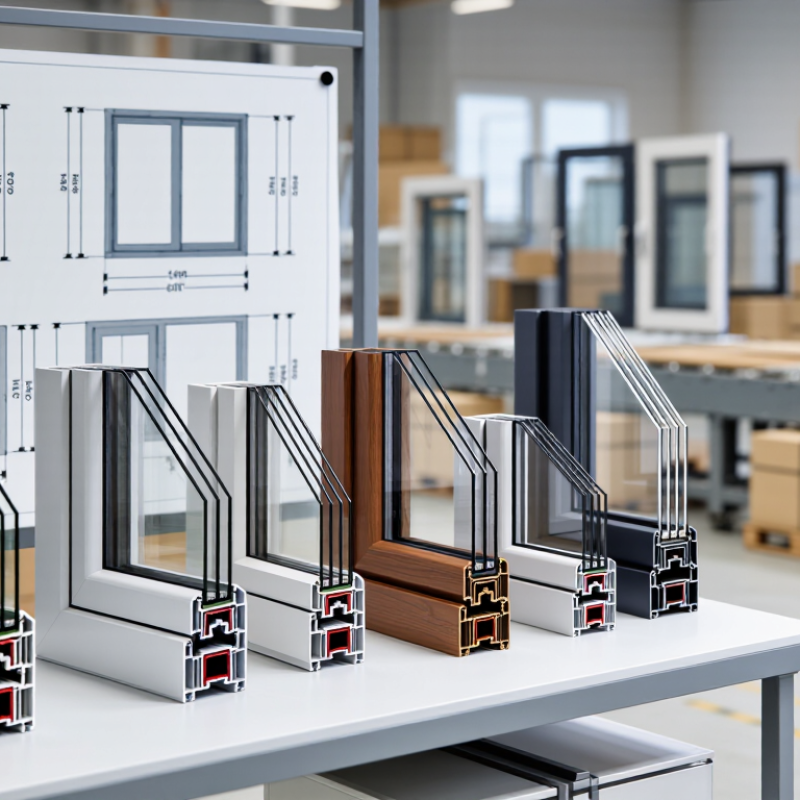
Request samples or clear photos of corner joints, seals, drainage paths, and hardware. These reveal more than polished catalogue images. Check that test reports match the exact product series and configuration you plan to buy. A rating for different glass or frame thickness may not apply. If documents are incomplete, ask direct questions and note how clearly the supplier responds. Communication is useful evidence, though it is not proof of factory quality.

Compare total landed cost, including packaging, freight, replacement parts, and any inspection fees. Ask how windows are protected against moisture and impact during transport; inspect a packing specification before approving a large order. Clarify production lead times, defect reporting steps, and warranty exclusions. Request references from buyers with similar order sizes and climates. A low quote may still be sensible, but unclear specifications make it harder to compare fairly. Even a careful checklist misses things. Build time for a pre-shipment inspection into the schedule, especially when custom sizes are involved.

Profiles of 10 Discount Window Suppliers for Global Buyers

For global buyers, a low window price is useful only when specifications and delivery terms are clear. These ten profiles represent supplier types, not named companies. Compare them against your project needs. Details matter.

Profile 1: A factory-direct vinyl supplier may offer standard sizes and simple finishes at competitive prices. Profile 2: An aluminum specialist often suits slim frames and larger glazed openings. Profile 3: A timber producer can provide warm finishes, but buyers should check coating and moisture-control details. Profile 4: A regional fabricator may reduce shipping distance and simplify communication. Profile 5: A volume exporter may offer broad product ranges, though minimum order quantities can be high.

Profile 6: A custom-window workshop can handle unusual dimensions, but drawings need careful review. Profile 7: A replacement-window supplier may focus on easy installation and familiar profiles. Profile 8: A project-focused manufacturer may coordinate windows with doors and façades. Profile 9: A supplier serving multiple climates may offer useful glazing options; ask for test reports matching the intended use. Profile 10: A trading supplier can consolidate products from several factories, yet traceability deserves extra attention. Request recent samples, written specifications, packing photos, and a delivery schedule. A cheap quote can still leave gaps. This comparison is imperfect; product quality depends on the actual factory, materials, and inspection process.

Comparing Supplier Pricing, Capabilities, and Certifications

Comparing discount window suppliers takes more than scanning the lowest unit price. Ask for itemized quotes showing frame material, glazing, hardware, packaging, and delivery costs. A quote for a standard white vinyl window may not match one for a custom size with laminated glass. Compare like with like. Also check minimum order quantities, production lead times, replacement policies, and payment terms. Small fees can change the final cost.

Capabilities matter when projects need consistent dimensions or special performance ratings. Request recent test reports for air leakage, water resistance, and thermal performance, and confirm they apply to the exact product offered. Ask how the supplier checks dimensions before packing. Details matter. For certifications, verify the certificate holder, product scope, issuing body, and expiry date; a logo alone proves little. Requirements differ by destination, so confirm applicable standards with a qualified local professional. A spreadsheet cannot show how carefully a supplier handles a damaged shipment, and references may not tell the whole story. My comparison would still have gaps. Balance price against documented quality, clear communication, and evidence that the supplier can deliver the specified windows on schedule.

Steps for Sourcing Discount Windows Across International Markets

Sourcing discount windows across international markets starts with a written specification, not the lowest quote. List opening sizes, frame material, glazing, finish, hardware, and required thermal or acoustic performance. Add tolerances and packaging expectations; a small size mismatch can create expensive work on site. Measure twice. Ask for current product data, test reports, and photos of packed units. Confirm that every document matches the exact model and configuration being quoted.

Compare offers on the same basis: unit price, sample fees, freight, insurance, duties, lead time, and payment schedule. Request a sample when practical, and inspect frame corners, seals, drainage openings, and glass edges. A sample helps, but it cannot prove that every production batch will match. Check references and arrange an independent inspection before shipment, especially for a large order. Small gaps matter.

Before paying a deposit, agree on delivery terms, defect handling, replacement parts, and who pays for damage in transit. Ask the supplier to confirm crate dimensions and loading plans; oversized packaging can raise freight costs. Start with a pilot order if the project allows it. I would not assume that a quick reply means reliable production. Keep decisions, drawings, and approved changes in writing, using clear dates and units. That paper trail can be tedious, but it makes disputes easier to investigate.

Request Your FREE Quote