
10 Tips for Buying Discount Windows from Global Suppliers
Buying discount windows from global suppliers can reduce project costs without sacrificing performance. However, the lowest quotation is rarely the complete financial picture. Freight, packaging, customs handling, replacement parts, and local installation can quickly change the final price.
This guide presents ten practical tips for evaluating suppliers, materials, specifications, and after-sales support. It focuses on details that experienced buyers check before sending a deposit. Look closely at frame materials, glazing layers, thermal ratings, drainage design, hardware quality, and test documentation. Ask whether the stated performance figures apply to the complete window or only to the glass. That distinction matters.
A reliable supplier should provide clear product drawings, consistent measurements, verifiable certifications, and a written warranty. Communication also deserves attention. Delayed replies, vague answers, or changing specifications may signal future problems. The savings look attractive. Details matter.
Even careful sourcing has limits. A factory video cannot replace an independent inspection, and a polished sample may not represent every production batch. I have seen buyers focus on unit price while overlooking unsuitable dimensions or weak packaging. That mistake can erase the original savings. Use a documented checklist, request samples when practical, and confirm responsibilities before production begins. A sensible decision balances price, durability, compliance, delivery risk, and long-term support. Discount windows can be a strong option, but only when the supplier earns confidence through evidence, consistency, and transparent service.
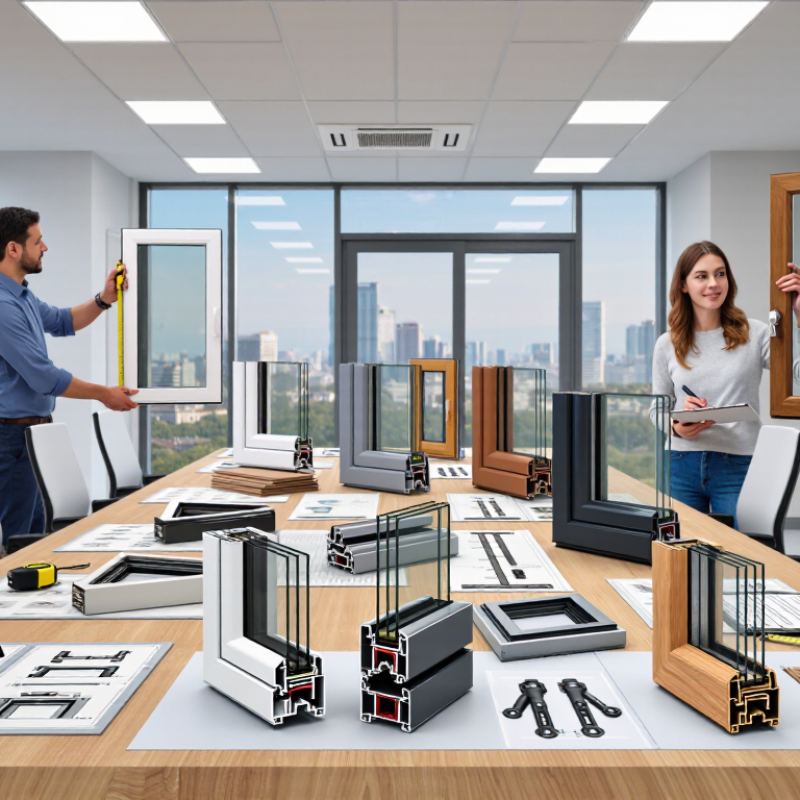
Define Your Window Needs and Discount Buying Goals
Define Your Window Needs and Discount Buying Goals
Before contacting global suppliers, write down the exact window requirements. Record opening width, height, wall depth, frame material, glass type, and preferred operation. Measure every opening twice. Small errors can create expensive installation problems. Note the room’s climate, sunlight exposure, noise levels, and ventilation needs. A coastal home may require stronger corrosion resistance than an inland project. Local building codes and energy requirements must guide your specifications.
Set a realistic discount buying goal. Decide whether you want the lowest unit price, better insulation, faster delivery, or a balanced package. Include packaging, freight, customs charges, installation, spare parts, and possible storage fees. A cheap window can become costly after unexpected landed expenses. Request a complete quotation with dimensions, tolerances, hardware details, warranty terms, and production time. Ask for samples or technical drawings before placing a large order. Details matter.
My early buying plan focused too heavily on the listed price. I later found that inconsistent measurements caused delays and extra labor. That changed my approach. Now, I compare suppliers using the same specification sheet and keep every revision in writing. I also check test reports, material certificates, factory quality procedures, and communication records. A supplier should answer practical questions clearly, not merely promise a discount. Leave room for inspection, replacement units, and schedule changes. Perfection is unlikely, so a strong plan includes controlled risks.
10 Tips for Buying Discount Windows from Global Suppliers - Define Your Window Needs and Discount Buying Goals
| Tip | Buying Dimension | Recommended Requirement or Goal | Practical Data to Record | Verification Before Payment |
|---|---|---|---|---|
| 1 | Define the installation location | Identify the country, region, climate zone, wall type, and whether the project is new construction or replacement. | Opening width and height, wall thickness, installation method, indoor and outdoor exposure, and local building-code requirements. | Confirm that the proposed window configuration complies with the destination market’s ventilation, safety-glazing, egress, wind-load, and energy requirements. |
| 2 | Create a precise window schedule | Use a separate line item for every size, opening style, glazing option, color, hardware set, and quantity. | Rough-opening size, frame size, sash configuration, handing, glass thickness, screen requirement, and required quantity. | Compare the supplier’s pro forma invoice with the approved schedule; do not rely only on photographs or general catalog descriptions. |
| 3 | Set a landed-cost target | Evaluate the total delivered cost rather than the factory unit price. Include product, packaging, freight, insurance, duties, taxes, inspection, and installation. | Target budget per window and total project budget in one currency, plus a contingency allowance for damage, rework, or replacement parts. | Request a written quotation that separates product price, shipping terms, export charges, destination charges, and any minimum-order quantity. |
| 4 | Choose the frame material | Select the material according to climate, maintenance expectations, structural needs, and budget rather than discount percentage alone. | Frame material, thermal-break design, profile depth, reinforcement, finish type, drainage design, and warranty coverage. | Check technical drawings, cross-sections, finish specifications, and sample corners or cut sections where possible. |
| 5 | Define glazing performance | Specify the number of panes, low-emissivity coating where needed, gas fill if offered, safety glass requirements, and visible-light preference. | U-factor, solar heat gain coefficient, visible transmittance, air-space width, glass thickness, and safety-glazing locations. | Require a product data sheet or test report showing the complete window performance, not only the center-of-glass value. |
| 6 | Match operation to daily use | Choose fixed, sliding, casement, awning, tilt-and-turn, or another configuration based on ventilation, cleaning access, escape requirements, and available space. | Opening direction, clear opening, handle position, ventilation setting, insect-screen type, and cleaning-access needs. | Confirm drawings show the exact operating direction and clear opening; verify that the hardware is compatible with the frame and sash. |
| 7 | Set weather-resistance goals | Prioritize air leakage, water penetration, structural performance, and wind resistance appropriate to the project exposure. | Air-leakage rating, water-pressure test level, design pressure, operating force, drainage features, and gasket type. | Request standardized test results or certification documents and confirm the tested size and configuration match the ordered product. |
| 8 | Compare discount offers consistently | Compare equivalent specifications, quantities, delivery terms, payment terms, packaging, and after-sales service before selecting the lowest quote. | Quoted unit price, discount basis, minimum order, lead time, payment schedule, replacement-part policy, and quote validity period. | Normalize every quotation into the same currency and delivery basis; record exclusions and price-adjustment clauses. |
| 9 | Plan quality control and shipping protection | Use pre-shipment inspection and protective packaging to reduce the financial impact of incorrect sizes, scratches, broken glass, or missing hardware. | Inspection sampling plan, photo records, carton labels, corner protection, moisture protection, packing list, and spare-parts quantity. | Define acceptance criteria, claim deadlines, inspection responsibility, and required evidence for damage or specification discrepancies. |
| 10 | Define the acceptable discount and risk limit | Set a minimum acceptable performance level and a maximum tolerable landed cost; reject discounts that require unapproved compromises. | Approved specification baseline, maximum defect rate, maximum lead time, warranty period, payment risk, and target savings versus the baseline quote. | Approve a final comparison sheet signed by the buyer and technical reviewer before placing the order or releasing the balance payment. |
Related Posts
-

10 Best Window Deals for Global Buyers?
-
How to Choose the Right Single Pane Windows for Your Home?
-
How to Enhance Your Home with Beautiful Bow Windows?
-

Why Choose Single Pane Windows at the 139th Canton Fair?
-
Why Choose Double Pane Windows for Energy Efficiency Benefits?
-
Best Black Sliding Glass Doors for Modern Homes Availability?