Choosing exterior windows in 2026 is not just a matter of style. The right option can improve comfort, reduce drafts, soften street noise, and shape the look of a home. But performance depends on more than the frame material. Glass coatings, seals, installation quality, and local weather all matter.
Start by considering the conditions each window faces. A room with strong afternoon sun may benefit from glazing that limits solar heat gain. In a colder region, insulation and airtightness may deserve greater attention. Check published energy ratings, such as U-factor and solar heat gain coefficient, and compare products on the same basis. Ratings can be useful, but they do not tell the whole story. No label captures every comfort trade-off. That deserves a closer look.
Think about daily use, too. A window above a kitchen sink should be easy to open and clean. A bedroom near a busy road may need stronger sound control. Frame materials, opening styles, maintenance needs, and budget can narrow the options, but installation can change the result. Even an efficient window may perform poorly if it is fitted badly. Confirm product details with the manufacturer, review applicable local requirements, and ask an experienced installer how the unit will be sealed and flashed. The best choice is rarely the most expensive one. It is the one suited to the room, climate, and people who use it—though a little uncertainty is normal before the details are checked.
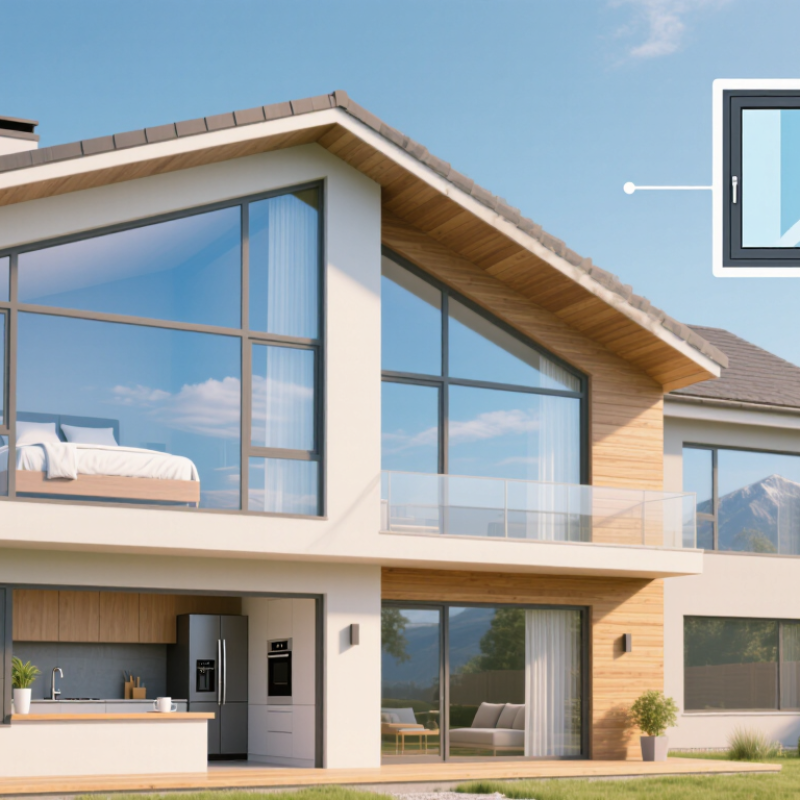
Map Climate and Orientation Using DOE’s 25–30% Window Energy-Use Estimate
In 2026, choose exterior windows by looking at your climate and each wall’s exposure. The U.S. Department of Energy estimates windows account for about 25–30% of home heating and cooling energy use. Treat that figure as a reason to investigate, not a prediction for every house. Air leaks, shading, insulation, and household habits all affect performance. Notice which rooms feel drafty and when direct sun hits the glass.
Match window ratings to local conditions. In cold regions, a lower U-factor can help reduce heat loss. In sunny, hot areas, a lower solar heat gain coefficient may limit unwanted warmth.
South-facing windows can admit useful winter sun, while east- and west-facing windows often receive intense low-angle light. North-facing windows generally get softer, steadier daylight. Compare whole-window ratings, not glass alone; a well-rated window cannot fix a poorly sealed opening.
Tips: Sketch a room map and mark compass directions, shade, and sun exposure by time of day. Check local climate guidance, and consider an energy assessment for persistent drafts. Trees change with the seasons, so your first map may miss something. Revisit it before ordering.
When comparing exterior windows in 2026, check the NFRC U-factor on each product label. It measures how quickly heat moves through a window assembly, in Btu/(h·ft²·°F). A lower rating means less heat transfer through the tested window. That can help keep rooms more comfortable during cold weather and reduce heat entering on hot days. Details matter. Compare whole-window ratings, not just glass-center figures; the frame, spacers, and glazing all affect performance. Make sure the products have comparable sizes and configurations, too.
A low U-factor is useful, but it does not tell the whole story. Solar heat gain, air leakage, orientation, and installation quality also influence comfort and energy use. A sunny south-facing room may need different trade-offs from a shaded, draft-prone bedroom. It is easy to focus on the smallest number and miss those conditions. Check the rating against your climate and plans for each room, then ask how the window will be sealed and installed. Even an excellent rated unit can underperform if gaps remain around its frame. A modest rating difference may matter less than a poor installation.
Compare NFRC U-Factors in Btu/(h·ft²·°F): lower ratings reduce heat transfer.
These approximate values illustrate common glazing configurations; actual ratings vary by window design and size. Check the NFRC label for each product and compare whole-window U-factors. A lower U-factor means less heat flows through the window.
How to Choose Exterior Windows in 2026?
Select SHGC on Its 0–1 Scale to Balance Sunlight and Cooling Needs
A window’s Solar Heat Gain Coefficient (SHGC) measures how much solar heat passes indoors. It ranges from 0 to 1: lower values block more heat, while higher values admit more. The National Fenestration Rating Council (NFRC) lists SHGC on its certified window labels. Check that number, not just the glass appearance.
Orientation changes the choice. For a west-facing room, late-afternoon sun can make a desk area feel hot and cause glare. A lower-SHGC window may help limit that heat. In a shaded northern room, a higher value may preserve useful winter sunlight. That matters. The U.S. Department of Energy estimates that windows account for 25–30% of residential heating and cooling energy use. The actual effect depends on the home, window area, shading, and climate.
I would not choose the lowest SHGC for every façade. That sounds simple, but it can reduce welcome daylight or passive winter warmth. Compare the NFRC label with your local climate and the room’s sun exposure. Exterior overhangs, nearby trees, and blinds also affect comfort. One detail is easy to miss: a product’s SHGC is not the same as the room’s full solar exposure. Check a sample in the actual space, if possible; ratings cannot capture every glare pattern or seasonal shadow.
Choosing exterior windows in 2026 means matching glass and frames to your actual climate, not just the catalog description. Check the current ENERGY STAR zone criteria for your location and confirm the window is qualified for that zone. A label is useful. It does not replace careful sizing or installation.
In colder regions, a low U-factor can help reduce heat loss and chilly spots near the glass. In warmer, sunny areas, a lower solar heat gain coefficient may limit unwanted afternoon heat. In mixed climates, consider orientation: a shaded north-facing window behaves differently from a large west-facing one. The best balance depends on your home, not only the zone map.
Frame materials also affect comfort and upkeep. Fiberglass and well-insulated vinyl frames can limit heat transfer; wood offers natural insulation but needs protection from moisture. Aluminum is durable, though thermal breaks matter in climates with temperature extremes. I would not treat one rating as a verdict. A slightly imperfect fit between glazing, frame, and exposure can undermine good specifications, so compare certified ratings and ask how the unit will be sealed around the opening.
| Climate zone | Typical design priority | ENERGY STAR Version 7.0 reference criteria | Glazing and solar-control guidance | Frame-material guidance |
|---|---|---|---|---|
| Northern | Long, cold winters; reducing heat loss and drafts is usually the main concern. | U-factor ≤ 0.22 SHGC ≥ 0.17 |
Consider double- or triple-pane insulating glass, low-emissivity (low-e) coatings, and argon or krypton gas fills where appropriate. Balance winter solar gains with summer shading and the window’s orientation. | Fiberglass, well-insulated vinyl, or thermally improved wood/composite frames can limit heat transfer. For metal frames, look for an effective thermal break. |
| North-Central | Cold winters and warm summers; manage heat loss while retaining useful winter sunlight. | U-factor ≤ 0.25 SHGC ≥ 0.40 |
Low-e insulating glazing with a comparatively higher solar heat-gain rating can suit suitable exposures. Use exterior shading or overhangs where summer sun would otherwise cause overheating. | Insulated vinyl, fiberglass, wood, or composite frames are options. Compare whole-window ratings, since frame and edge-of-glass performance affect the result. |
| South-Central | Mixed heating and cooling needs; limit summer solar gain without ignoring winter comfort. | U-factor ≤ 0.28 SHGC ≥ 0.25 |
Choose low-e glass suited to the window’s orientation and local cooling load. A moderate SHGC can help balance seasonal needs; shade east- and west-facing glazing when practical. | Vinyl, fiberglass, wood, and composite frames can all be suitable when correctly specified. Check air leakage, frame insulation, and durability for local weather exposure. |
| Southern | Hot conditions and cooling demand; control solar heat gain while maintaining a suitable U-factor. | U-factor ≤ 0.32 SHGC ≥ 0.23 |
Solar-control low-e glazing and properly designed shading can reduce unwanted solar heat. Consider visible-light transmission and daylight alongside SHGC, especially on large or sun-exposed windows. | Insulated vinyl, fiberglass, wood, or composite frames can work well. In humid, coastal, or high-UV locations, also assess moisture resistance, finish durability, and corrosion protection for hardware. |
In 2026, compare exterior windows by their air-leakage ratings, not just frame material or glass features. A lower rating generally means less air passes through the closed, tested unit. Check the units and testing method, since figures are only useful when compared on the same basis. A strong lab rating is helpful, but it cannot compensate for a poorly fitted window.
Small details matter. Before work begins, ask how the installer will check the opening for level and square, and how gaps will be insulated and sealed. On site, look for even shims, continuous flashing, and neat sealant around the frame. The sash should open and latch smoothly; resistance or uneven gaps deserve a closer look. Not just glass.
Installation quality is harder to judge from a brochure. Request a written scope describing air sealing, water management, and cleanup, then inspect the work before trim hides the edges. I would also ask how the crew handles an opening that is damp, out of square, or damaged. There may not be a perfect fix for every condition, and that should be discussed plainly. A carefully installed, well-rated window can still need adjustment as the house settles. Keep the rating documentation and installation details for future reference.