What Are Patio Windows and Which Type Is Best?

What Are Patio Windows and Which Type Is Best?

Patio windows bring daylight, fresh air, and a stronger connection to outdoor spaces. The term can be confusing, though. Some manufacturers use it for large sliding windows, while others describe wide patio doors as patio windows. This guide explains the difference in practical terms. It also considers how each design performs in real homes.

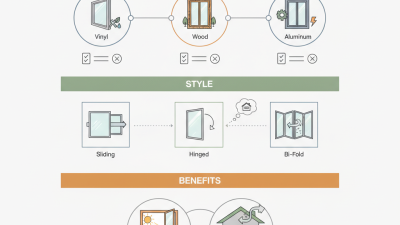
Sliding patio windows move along a track and need little clearance. They suit narrow decks, compact rooms, and furniture placed near the opening. Hinged designs open outward like traditional doors. They often provide wider ventilation, but they require usable space outside. Folding and multi-slide systems can create an impressive opening. However, they usually cost more and demand careful installation.

There is no single best option for every property. A dependable choice must match the room layout, local weather, frame material, glass performance, and maintenance expectations. For example, a coastal home may need corrosion-resistant hardware and reinforced seals. A cold-climate property may benefit from low-emissivity glass and insulated frames. Check drainage details closely. Small installation mistakes can cause drafts, water entry, or difficult operation.

This article compares the main patio windows by appearance, ventilation, security, energy efficiency, and long-term value. It also highlights details homeowners often overlook, including track cleaning and screen durability. Expert advice matters, but personal priorities matter too. A beautiful window is not automatically a practical one. Careful measurements and a qualified installer can prevent expensive surprises. Still, even professional recommendations deserve a second look when budgets or building conditions change.
What Are Patio Windows and Which Type Is Best?

Definition and Purpose of Patio Windows

Patio windows are large glazed openings designed to connect an indoor room with a patio, deck, or garden. Unlike ordinary windows, they often operate as doors or wide access panels. Their purpose is practical: daylight, ventilation, outdoor access, and a broader view. A sliding patio window uses horizontal tracks, while hinged, folding, and multi-panel systems open more widely. The best choice depends on the room, wall space, weather, and how often people use the opening.

Energy performance matters. The U.S. Department of Energy reports that windows can represent 25% to 30% of residential heating and cooling energy use. Therefore, patio windows should be judged by U-factor, solar heat gain coefficient, air leakage, and visible transmittance. These values appear on National Fenestration Rating Council labels. Lower U-factor usually means better insulation. However, very low solar gain may reduce useful winter warmth in colder climates.

In practice, sliding designs suit narrow patios because their panels do not swing inward or outward. Hinged systems usually provide stronger ventilation and a clearer opening, but they need free space and accurate installation. Poor drainage can create trouble after heavy rain. It happens. A well-rated frame can still underperform if the sill is uneven or the weather seals are compressed. Regional ENERGY STAR guidance also shows that climate-specific ratings are more useful than a single national recommendation. The most suitable patio window is therefore the one that balances access, ventilation, security, and tested thermal performance.

Main Types of Patio Windows

Patio windows are large glazed openings that connect indoor rooms with decks, gardens, or balconies. Their design affects ventilation, daylight, security, and daily movement. The U.S. Department of Energy reports that windows can account for 25–30% of household heating and cooling energy use. Choosing the right frame and glass therefore matters beyond appearance.

The main types include sliding, hinged, folding, and fixed patio windows. Sliding windows move horizontally and need little clearance, making them practical for narrow terraces. Hinged windows usually provide stronger ventilation because the sash opens outward.

Folding systems create a wider opening, but their tracks and hardware require careful maintenance. Fixed picture windows offer excellent views and daylight, although they provide no ventilation. My experience suggests that a mixed layout often works best: fixed glass beside one operable section. Still, it may cost more.

Tips: Compare U-factor, Solar Heat Gain Coefficient, visible transmittance, and air-leakage ratings through the National Fenestration Rating Council database. Lower U-factor generally improves insulation, while SHGC should match the local climate and sun exposure.

Check the sill after rain. Small drainage problems become expensive surprises. The 2021 Residential Energy Consumption Survey also shows that space heating remains a major household energy use, so insulation deserves attention.

No type wins everywhere. A windy coastal home may need different hardware from a shaded urban apartment.

Key Features and Differences by Window Type

Patio windows are large glazed units that connect indoor rooms with outdoor living areas. Their main value is daylight, access, and a wider view. Sliding patio windows move along a track, so they need little indoor space. They suit narrow rooms, balconies, and furniture placed near the opening. However, only one panel usually opens, limiting ventilation.

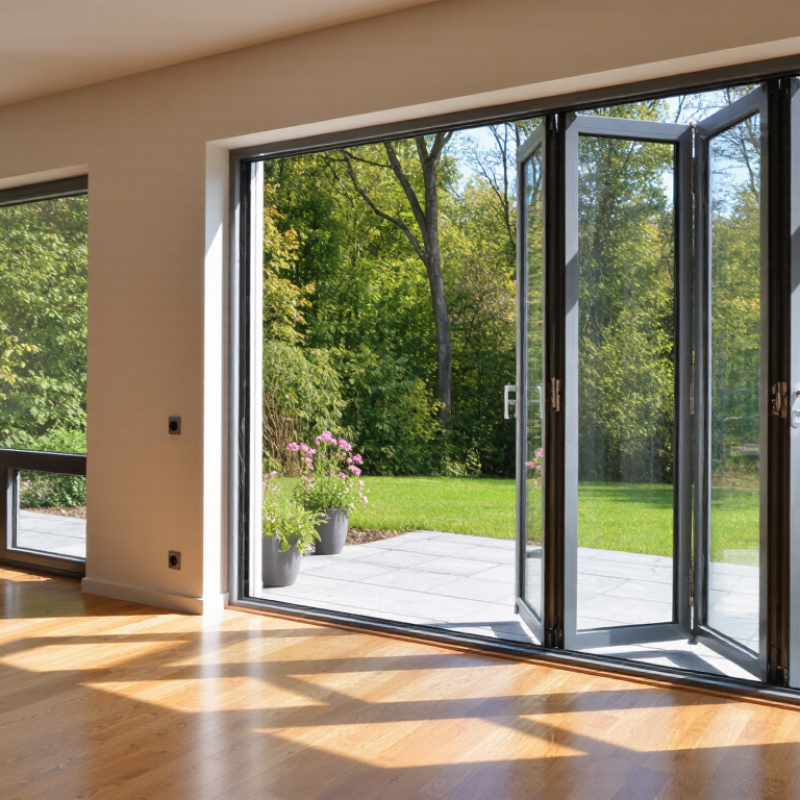
Hinged patio windows, including French-style designs, open inward or outward from side hinges. They provide a wider opening and stronger natural airflow. They also need clear floor space, which can complicate furniture layouts. Folding windows use several connected panels, creating a broad opening when fully extended. Their many hinges and seals require careful adjustment and regular cleaning. Performance can vary when installation quality is poor.

Key features deserve close attention. Low-emissivity glazing can reduce heat transfer, while multiple seals help control drafts and rain. A low threshold improves access, but it must still manage water effectively. Durable tracks, secure locks, and reinforced frames support daily use. Measure the opening, wall condition, and drainage before choosing a style. Small errors matter. A perfect window does not exist; the best option balances ventilation, space, insulation, maintenance, and budget.

Patio Window Types: Key Feature Comparison

Scores use a 1–5 scale and reflect typical design characteristics: 5 indicates greater ventilation, clearer opening width, or easier operation. Actual performance varies with size, glazing, hardware, and installation quality.

Factors for Choosing the Best Patio Window

What Are Patio Windows and Which Type Is Best?

Patio windows are large glass openings designed for easy access, daylight, and outdoor views. They may use sliding panels, hinged doors, or folding sections. Each design changes how people move through a room. A sliding option saves indoor space, while hinged panels can create a wider opening. Folding systems offer flexibility, but their hardware may need more regular care.

Factors for Choosing the Best Patio Window

Start with your room’s layout and daily habits. Measure the available wall space, furniture placement, and walking path. A wide opening sounds attractive, yet it may reduce usable wall space indoors. Consider frame strength, glass insulation, ventilation, drainage, and security features. In colder regions, low-emissivity glass can reduce heat loss. In warmer areas, solar-control glass may limit uncomfortable glare. Local weather matters more than appearance alone. A professional installer should check the wall structure before recommending a size. This step is often missed.

Tips: Stand inside the room and mark the panel movement with tape. Notice where sunlight falls during morning and afternoon. Ask for written details about warranties, installation methods, and maintenance. Check whether replacement hardware is readily available. If children or pets use the area, choose a safe opening style and durable screens. I would not choose the largest window automatically. Bigger is not always better. A smaller, well-insulated patio window may feel warmer, quieter, and easier to operate. Test the handle before deciding. It should feel smooth, not loose.

Installation, Maintenance, and Energy Efficiency

What Are Patio Windows and Which Type Is Best?

Patio windows are large glazed openings designed for outdoor access and wider views. Sliding windows suit compact patios because their panels move horizontally without using floor space. Hinged or folding designs can create a broader opening, but they need more clearance. Installation should begin with accurate measurements and a careful inspection of the wall opening. A qualified installer should check drainage, flashing, insulation, and local building requirements. Small gaps around the frame can cause drafts, moisture, and expensive repairs.

Energy efficiency depends on more than the glass. Look for insulated glazing, low-emissivity coatings, and well-sealed frames. In sunny rooms, suitable shading can reduce heat gain during summer afternoons. Maintenance is practical rather than complicated. Clean tracks regularly, remove trapped grit, and inspect weather seals twice a year. Lubricate moving parts only with a product approved for the window material. I have found that neglected tracks often make a good window feel defective. No design performs perfectly without care.

Tips: Test the lock before installation is finished. Check for daylight around the frame. After heavy rain, inspect the interior sill for moisture. Replace cracked seals promptly. Keep furniture away from operating panels. An energy assessment can reveal heat loss that visual inspection misses. Choosing the widest opening is tempting, but the best type should match your wall structure, climate, ventilation needs, and maintenance habits.

Request Your FREE Quote