How to Choose the Best Windows and Siding for Your Home?
When it comes to enhancing your home, choosing the right windows and siding is crucial. Expert architect and designer Sarah Thompson emphasizes, “The right windows and siding not only elevate your home's curb appeal but also improve energy efficiency.” In today's market, homeowners face numerous options, making the selection process daunting.
Windows and siding play critical roles in protecting your home from the elements. High-quality materials can prevent moisture buildup and reduce energy costs. However, not every product marketed as superior delivers on its promises. It is essential to research brands and materials thoroughly.
Consider your home’s style and climate when making decisions. A mismatch can lead to regrets. Homeowners often overlook the importance of installation. Poor installation can undermine the benefits of even the best products. Reflecting on these factors can lead to a more satisfying result in your renovation journey.
Understanding the Importance of Windows and Siding in Home Design
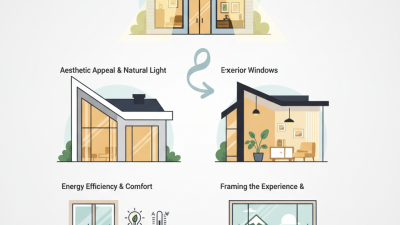
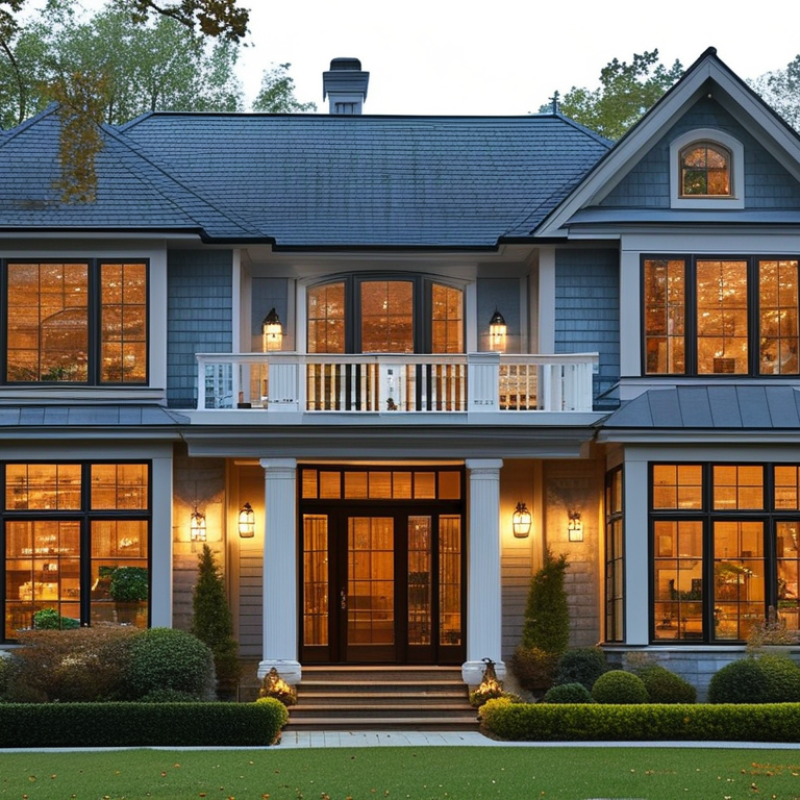
When designing a home, windows and siding play crucial roles. They impact aesthetics, energy efficiency, and overall comfort. Selecting the right materials can enhance your home's appearance and reduce utility bills. Poor choices can lead to drafty rooms or unsightly facades. It's essential to understand the balance between style, function, and endurance.
Tips: Consider local climate conditions. In colder areas, choose windows with better insulation. For humid environments, moisture-resistant siding is crucial. These considerations can prevent future maintenance issues and ensure lasting beauty.
Also, think about the
architectural style of your home. A Victorian house might need ornate window designs and classic siding. On the contrary, a modern home may benefit from sleek, simple lines. Make sure the elements complement the overall design for
cohesion.
Finally, don’t overlook the importance of
professional installation. Even high-quality products can perform poorly if installed incorrectly. Investing in skilled craftsmanship can save you from headaches down the line. It's a step that shouldn’t be rushed. Seek expertise to ensure your choices lead to a harmonious and efficient home.
Evaluating Different Types of Window Materials and Their Benefits
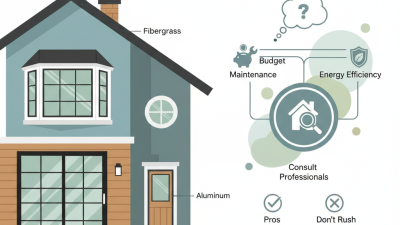
When selecting windows for your home, the material plays a crucial role. Vinyl, wood, and fiberglass are three popular options, each offering distinct benefits. According to the American Institute of Architects, vinyl windows are known for being cost-effective and maintenance-free. They can reduce energy costs by up to 30% when properly installed. However, they may not offer the same aesthetic appeal as wood.
Wooden windows, conversely, provide warmth and charm. They can be painted or stained to match your home’s interior design. However, they require regular maintenance and can be prone to rot. The National Association of Home Builders emphasizes that while they offer great insulation, wood windows may face issues in humid climates, leading to higher long-term costs.
Fiberglass windows present a strong alternative. They boast excellent thermal performance and resistance to warping. A study by the U.S. Department of Energy indicates that fiberglass can outperform wood and vinyl in energy efficiency, potentially lowering heating and cooling expenses. However, their initial investment cost is higher, which might deter budget-conscious homeowners. Balancing these factors requires careful thought about immediate needs and long-term implications.
Exploring Siding Options: Materials, Styles, and Durability Factors
When selecting siding for your home, consider various materials available. Vinyl is popular for its affordability and low maintenance. Wood provides natural beauty but needs regular upkeep. Fiber cement offers durability and can mimic wood. Metal is another option, known for its resistance to weather and pests. Each material has unique qualities that suit different environments.
Styles also play a key role. Horizontal and vertical panels create different visual impacts. Shingles can add texture and charm. While choosing a style, think about the architectural features of your home. It should complement rather than clash with your existing design.
Tips: Don't rush your decision. Research local climate conditions as they impact longevity. Color choices should match your neighborhood’s aesthetic. Consider long-term maintenance costs. Some materials may require more care than others. Reflect on what feels right over time; practicality should guide your selection.
Assessing Energy Efficiency Ratings for Windows and Siding Choices
When considering new windows and siding for your home, energy efficiency is a vital factor. Energy-efficient windows are designed to minimize heat transfer. Look for windows with a low U-factor. This rating measures how well a window insulates. Heat loss can significantly affect your heating bills in winter. Pay attention to the Solar Heat Gain Coefficient (SHGC) too. It indicates how much solar radiation enters your home. A lower SHGC is beneficial in warm climates.
Siding also plays a crucial role in energy efficiency. Insulated siding can improve a home's thermal performance. This is often measured by R-value, which indicates the resistance to heat flow. Higher R-values offer better insulation. Keep in mind that material affects performance as well. Vinyl siding, for instance, can be a good choice for many homeowners. However, it can become less durable under extreme weather conditions. Proper installation can enhance energy efficiency, yet it often gets overlooked.
It's essential to review the energy ratings of any materials before purchasing. Reading reviews and seeking professional advice can help clarify which options work best for your climate. Home assessments can identify specific needs, guiding you towards the right decisions. Take your time. The right choices today can lead to significant savings tomorrow.
Budgeting for Installation and Maintenance of Windows and Siding
When considering windows and siding for your home, budgeting for installation and maintenance is crucial. According to the Remodeling 2021 Cost vs. Value report, homeowners can expect to spend around $19,000 on average for new vinyl siding, with a potential return on investment of approximately 75%. However, this upfront cost may vary based on your location and material choices.
Installation costs can often exceed initial estimates. Hidden issues like old structural damage may arise, increasing expenses. Allocating an extra 10-20% of your budget for unexpected repairs is wise. Regular maintenance is also essential; annual inspections can prevent costly replacements down the line. Aim to save about $500 per year for upkeep.
Tips: Always get multiple quotes before making a decision. Consider the long-term savings of energy-efficient windows. A reliable contractor can guide you effectively. Understanding your budget in advance will prevent financial strain later. Be prepared to reassess your needs; priorities may change with time. An informed choice today can lead to lasting satisfaction tomorrow.