How to Choose the Best Double Pane Windows for Your Home?
Choosing the right double pane windows for your home can be overwhelming. With numerous options available, it's essential to understand the benefits and features that best suit your needs. Expert Sarah Thompson, a specialist in energy-efficient home solutions, emphasizes, “Double pane windows not only enhance comfort but also save on energy costs.”
These windows consist of two layers of glass. They create an insulating barrier that reduces heat loss. This is vital in maintaining a consistent indoor temperature. Moreover, homeowners often overlook the importance of frame materials and spacers. Each element contributes to the overall efficiency and durability of double pane windows.
While double pane windows are widely recognized for their advantages, some products do not live up to their promises. It’s crucial to research brands and seek reliable reviews. In this journey, finding a balance between aesthetics and energy efficiency is key. Ultimately, the best choice is one that aligns with both your style and functional needs.
Choosing the Right Frame Material: Vinyl, Wood, or Aluminum?
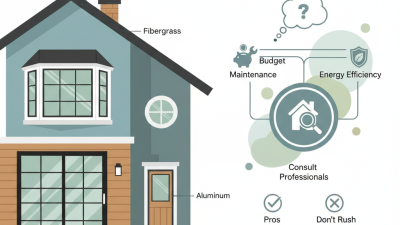
When choosing double pane windows, the frame material plays a crucial role. Vinyl, wood, and aluminum each have unique characteristics. Vinyl offers excellent insulation and is low-maintenance, making it a popular choice. According to the Window and Door Manufacturers Association, vinyl frames can reduce energy costs by up to 30%. This can be significant in extreme climates.
Wood provides natural aesthetics and superior insulation. However, it requires more upkeep. A 2021 study revealed that 60% of homeowners prefer wood due to its classic appeal. Yet, wood can warp over time and may not be the best long-term investment. Maintenance should be considered seriously.
Aluminum is another option. It offers durability but lacks insulation compared to vinyl and wood. A report from Energy Star found that poorly insulated aluminum frames can lead to higher energy usage. While it can withstand harsh weather, homeowners must weigh the long-term energy costs. Each material has its pros and cons; careful consideration is essential.
Understanding U-Factor Ratings for Energy Efficiency in Windows
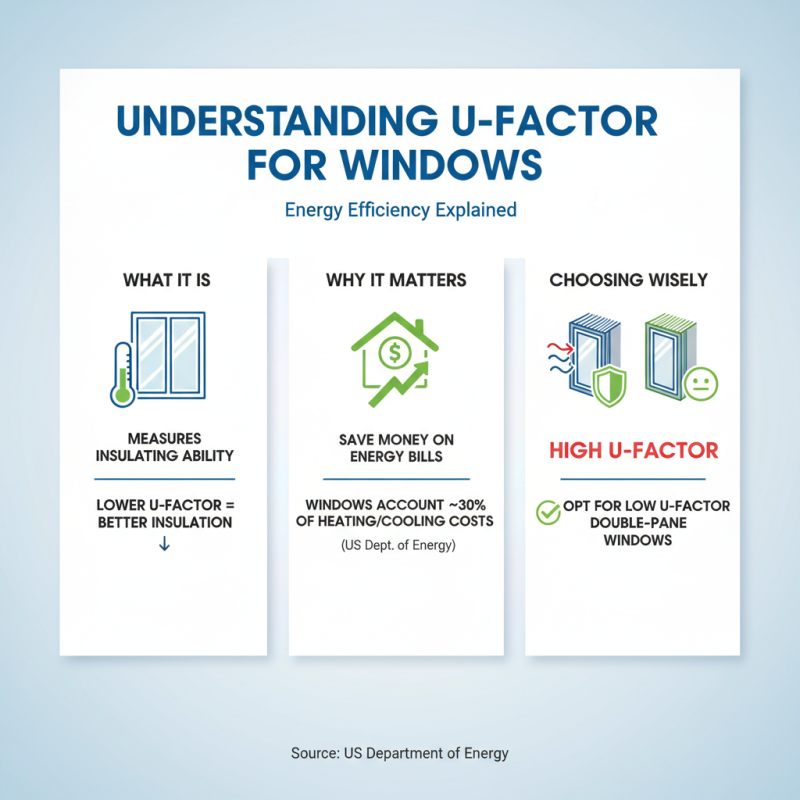
When selecting double-pane windows, understanding U-Factor ratings is crucial. The U-Factor measures a window's insulating ability. A lower U-Factor indicates better thermal performance. According to the U.S. Department of Energy, windows account for up to 30% of residential heating and cooling costs. Therefore, choosing the right U-Factor significantly impacts energy efficiency.
Generally, U-Factor ratings range from 0.20 to 1.20. For optimal energy savings, look for windows with a U-Factor below 0.30. In regions with extreme climates, even lower ratings may be necessary. However, achieving the best rating may mean higher upfront costs. Homeowners must balance initial investments with long-term energy savings.
Remember, not all windows are created equal. Some may appear energy-efficient but perform poorly in real conditions. Consulting a local energy auditor can provide insights specific to your home. They might identify areas for improvement that standard ratings don’t cover. Be aware of the trade-offs between aesthetics and efficiency. Often, striking a balance enhances both comfort and functionality in your living space.
Evaluating Gas Fills: Argon vs. Krypton for Insulation
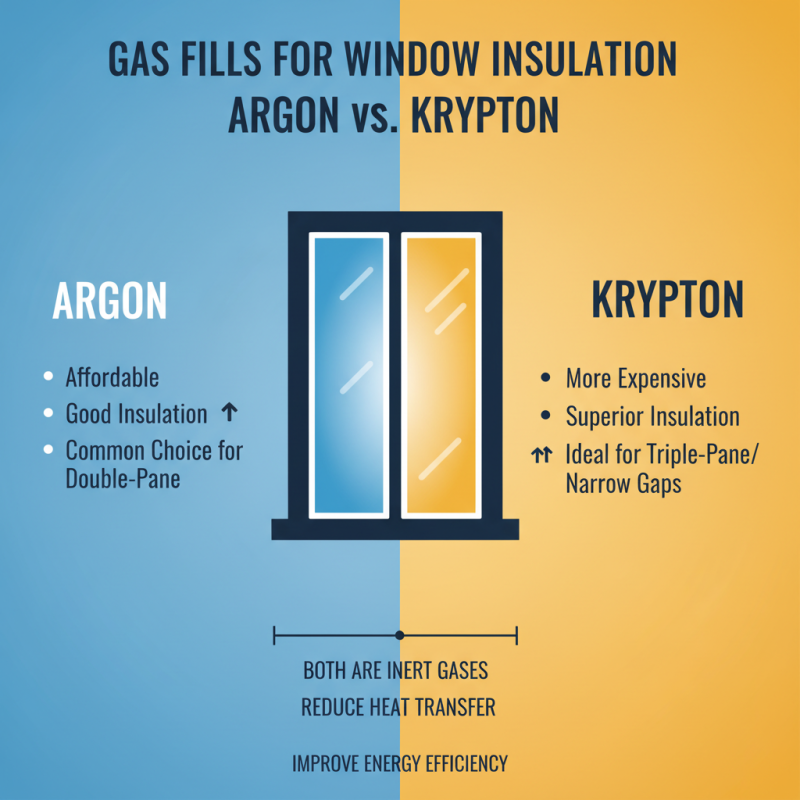
When selecting double pane windows for your home, the choice of gas fills can significantly affect energy efficiency. Two popular options are argon and krypton. Both gases serve as insulators in-between window panes, reducing heat transfer and improving overall performance.
Argon gas is commonly used due to its affordability and effectiveness. Reports indicate that argon-filled windows can lower energy costs by up to 30%. They have a thermal conductivity value (U-value) of about 0.80, making them a solid choice for most climates. When installed correctly, they can last for years without degradation.
Krypton, while more expensive, offers superior insulation. It has a lower thermal conductivity than argon, with a U-value around 0.50. This makes krypton-filled windows ideal for smaller spaces in the window unit. However, the cost may not always justify the marginal gains if the climate does not require the added efficiency. Ultimately, homeowners must consider their specific needs and budget when making a decision. Balancing efficiency with longevity is crucial for optimal performance.
Exploring Window Glazing Options: Low-E Coatings and Their Benefits
When selecting double-pane windows, Low-E (low emissivity) coatings are crucial. These coatings reflect infrared light while allowing visible light to enter. This means your home stays warm in winter and cool in summer, enhancing comfort year-round.
Low-E coatings are designed to improve energy efficiency. They keep your home’s temperature stable, reducing heating and cooling costs. However, some might be concerned about the cost of installation. It's essential to weigh these initial costs against long-term savings.
Not every Low-E coating performs the same. Some may offer more insulation than others. Research different types carefully, and consult professionals if needed. Choosing the right option for your home is a process, not a quick decision. It can be easy to overlook the importance of proper installation, which can impact the benefits of Low-E coatings substantially.
Energy Efficiency of Double Pane Windows
This chart illustrates the average U-values of different types of window glazing options, emphasizing the energy efficiency benefits of double pane windows compared to single and triple pane windows. Lower U-values indicate better insulation and energy efficiency, making double pane windows a superior choice for homeowners.
Assessing Local Climate Impact on Double Pane Window Selection
When selecting double pane windows, understanding the local climate is crucial. Different climates demand specific features in windows to maximize energy efficiency and comfort. According to the U.S. Department of Energy, homes in colder regions benefit from windows with a higher R-value, which indicates better insulation. Conversely, warmer climates require windows designed to reflect solar heat.
In a humid area, opting for double pane windows with low-E (low emissivity) coatings can significantly reduce cooling costs. Research shows that low-E coatings can improve a window’s energy efficiency by up to 30%. It’s vital, however, to assess humidity levels. Excess moisture can affect window performance and lifespan if not properly managed.
Moreover, consider local weather patterns and potential storm activity. Regions prone to high winds might need reinforced window designs. Not all double pane windows will perform optimally under extreme conditions. Consultation with local professionals can help in selecting the most suitable options for your environment. Balancing these factors ensures durable and effective window installations that enhance your home’s efficiency.