What is a Vacuum Bowl Cutter and How Does It Work?
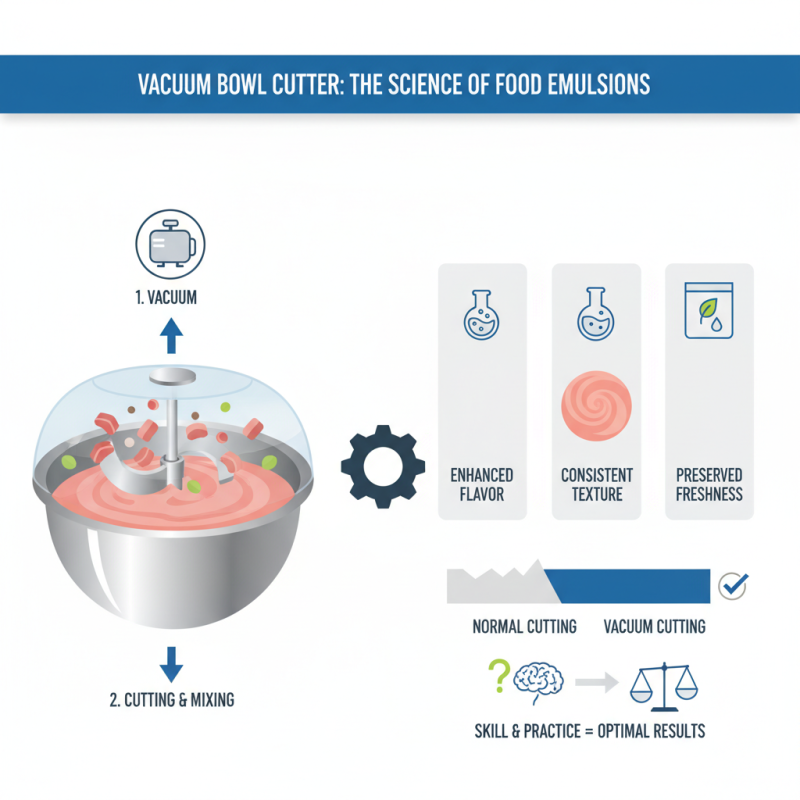
In the world of food processing, the vacuum bowl cutter stands out as a remarkable tool. This device skillfully combines ingredients while minimizing air exposure. By using vacuum pressure, it ensures that flavors meld seamlessly. The vacuum bowl cutter is essential for achieving high-quality emulsions and consistent textures.
How does it work? The process involves placing ingredients into a bowl, then removing excess air. This creates a controlled environment that enhances the cutting and mixing processes. It is noteworthy that this equipment aids in maintaining the freshness of sensitive ingredients. However, not every use will yield perfect results. Some users may struggle to find the right balance of speed and pressure.
Despite its advantages, the vacuum bowl cutter requires careful handling. Overprocessing can lead to unwanted textures. Users must constantly evaluate their techniques for the best outcomes. With practice and awareness, the benefits of using a vacuum bowl cutter can be fully realized.
What is a Vacuum Bowl Cutter?
A vacuum bowl cutter is a specialized piece of equipment widely used in the food processing industry. This machine combines cutting and mixing capabilities in a vacuum environment. The vacuum helps to retain moisture and improve product quality. According to industry reports, vacuum bowl cutters can reduce oxidation, which often leads to better color and flavor retention in processed food products.
These machines are crucial for producing high-quality emulsions, particularly in meat processing. The vacuum prevents air exposure while cutting, which minimizes the warmth generated by friction and keeps the meat colder. Statistics show that effective use of vacuum bowl cutters can increase production efficiency by up to 30%. Additionally, operators note a significant reduction in the risk of contamination during processing.
However, using a vacuum bowl cutter isn't without challenges. Proper setup and maintenance are essential to ensure optimal performance. Operators must regularly check seals and maintain vacuum levels. Failure to do so can lead to subpar results. Some users report difficulties in achieving the desired texture or consistency, indicating a need for further training and adjustment.
The Basic Components of a Vacuum Bowl Cutter
A vacuum bowl cutter is essential in food processing. It helps blend ingredients and emulsify mixtures efficiently. Understanding its basic components is key to maximizing its effectiveness.
The vacuum bowl cutter consists of several parts. The bowl itself is designed to create a vacuum environment. This prevents air from entering, which can spoil the mixture. The blades, often made from stainless steel, ensure precise cutting and mixing. Additionally, the machine features a vacuum pump that eliminates air. This not only improves texture but also enhances flavor.
Tips: Regular maintenance of the blades is crucial. Dull blades can lead to uneven mixing and poor texture. It’s also important to check the vacuum seal frequently. Any leaks can affect the quality of the blend.
Cleaning the vacuum bowl cutter should not be overlooked. Proper cleaning prevents cross-contamination. Be aware that not all components are easy to access, which can complicate thorough cleaning. This leads to potential issues in food safety. Hence, consistent checks are necessary for optimal performance.
What is a Vacuum Bowl Cutter and How Does It Work? - The Basic Components of a Vacuum Bowl Cutter
| Component | Description | Function |
| Vacuum Chamber | Sealed container where ingredients are mixed and chopped under vacuum. | Reduces oxidation and preserves color and flavor of the ingredients. |
| Cutting Tools | Blades or tools used to chop the ingredients within the chamber. | Facilitates uniform cutting sizes for even mixing and cooking. |
| Vacuum Pump | Device that removes air from the vacuum chamber. | Creates the necessary vacuum for optimal processing of the ingredients. |
| Control Panel | User interface for setting time, speed, and vacuum levels. | Allows precise control over the cutting and mixing process. |
| Safety Features | Includes sensors and emergency stops. | Ensures safe operation and minimizes risk of accidents. |
How Does the Vacuum Function Enhance Food Processing?
The vacuum bowl cutter is a unique kitchen tool that elevates food processing through its innovative design. It operates by creating a vacuum environment within the bowl. This feature significantly alters how ingredients are sliced, mixed, and emulsified. When air is removed, food particles experience less oxidation. This minimizes discoloration and preserves the freshness of ingredients.
The vacuum function also enhances the uniformity of food processing. Without air, ingredients blend more thoroughly. This is particularly important in preparing items like sauces or emulsions, where consistency is key. However, the vacuum nature presents challenges. Care must be taken to avoid over-processing, which can lead to a texture that’s overly smooth or paste-like. The balance between mixing and maintaining texture is crucial.
Moreover, using a vacuum can sometimes complicate cleaning. The intricate mechanisms required to maintain the vacuum state may trap food residues, requiring meticulous attention. Users need to reflect on whether the benefits are worth the extra effort in maintenance. It’s essential to gauge personal needs and preferences when determining the right approach to utilizing this tool in food preparation.
Step-by-Step Operation of a Vacuum Bowl Cutter
A vacuum bowl cutter is a unique kitchen appliance designed to enhance food preparation. It combines vacuum technology with cutting capabilities. The machine operates by creating a vacuum inside its bowl. This vacuum environment helps to retain the flavors and moisture of the ingredients used.
To operate a vacuum bowl cutter, start by selecting fresh ingredients. Common choices include meats, vegetables, and herbs. Ensure the bowl is properly sealed before engaging the vacuum function.
Once sealed, the machine removes air, creating a more intense flavor profile. The cutting blades begin to work, chopping and mixing the ingredients uniformly.
Adjust the cutting speed based on ingredient type. Slower speeds are often better for delicate foods. It’s crucial to monitor the process closely. If you notice uneven cutting, pause the machine. This allows you to check the consistency and adjust as needed.
Refining these steps will improve your outcomes and enhance your culinary skills. Cooking is always a learning process, and experimenting with a vacuum bowl cutter can lead to delightful discoveries.
Applications of Vacuum Bowl Cutters in Food Industry
Vacuum bowl cutters play a vital role in the food industry. These machines are designed to chop and mix ingredients efficiently. They create a vacuum environment that reduces air exposure, preserving the freshness of the food. This feature is especially beneficial for meats and delicate ingredients. It ensures that flavors are locked in during processing.
One significant application of vacuum bowl cutters is in the production of sausages. The vacuum prevents oxidation, leading to vibrant colors and flavors. Another area is the preparation of pâtés, where a smooth texture is essential. By avoiding excess air, these products maintain their high quality and culinary characteristics.
**Tips:** Always check for proper sealing on the vacuum bowl. Air leaks can compromise the quality of your mixture. Maintain cleanliness to prevent contamination. A clean workspace is crucial for food safety. Lastly, monitor the temperature. Heat can negatively affect the outcome of your products.
Applications of Vacuum Bowl Cutters in the Food Industry