What Are the Top Patio Doors for Global Buyers?

What Are the Top Patio Doors for Global Buyers?

Choosing the right patio doors is rarely about appearance alone. Global buyers must consider climate, wall construction, security, maintenance, energy performance, and local installation practices. A wide glass opening may look impressive, yet it can create heat gain, condensation, or uncomfortable drafts when selected carelessly. Coastal homes need corrosion-resistant hardware. Cold regions may require low-emissivity glass, insulated frames, and reliable weather seals. In hot climates, solar-control glazing and external shading can matter more than a larger opening.

Building-science expert Joseph Lstiburek often emphasizes a practical rule: “You have to get the water out.” That principle is especially important for patio doors. Poor drainage, uneven thresholds, and rushed flashing work can damage floors and surrounding walls. Experience from real projects shows that even a premium door can fail when the opening is measured poorly or installed without a continuous weather barrier. The product is only part of the system.

This guide compares sliding, folding, French, and lift-and-slide patio doors for different global markets. It examines frame materials, glazing options, thermal ratings, ventilation, accessibility, and long-term servicing. Performance labels also vary between countries, so buyers should verify test standards rather than trust impressive sales language. Sometimes, the most expensive choice is not the best one. A simpler door, correctly sized and professionally installed, may deliver greater comfort and reliability. That detail is easy to overlook.
What Are the Top Patio Doors for Global Buyers?

Patio Door Types and Their Main Features

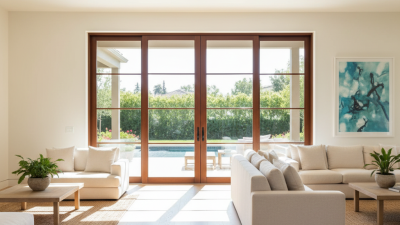
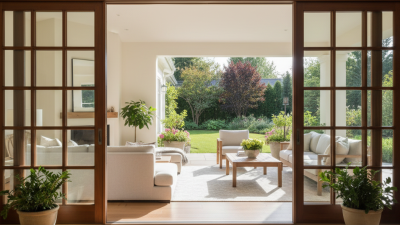
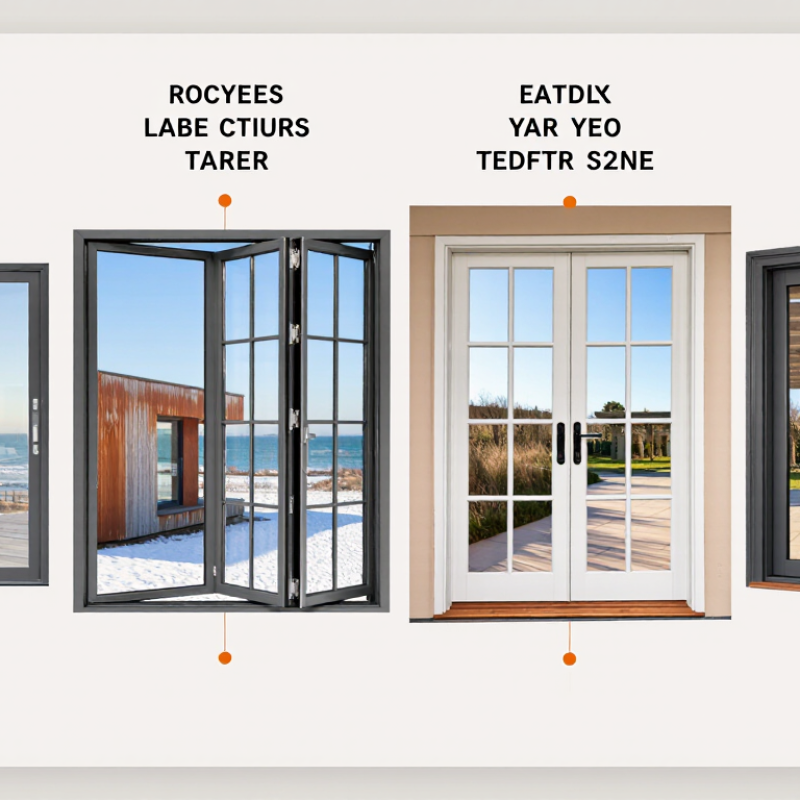
Sliding patio doors remain practical for apartments and narrow terraces. Their panels move horizontally, preserving valuable indoor and outdoor space. Large glass areas also improve daylight and garden views. However, rollers need careful alignment, especially after repeated use or uneven floor movement.

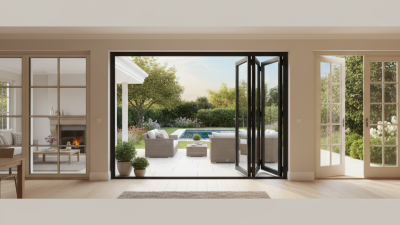
Hinged patio doors, including French-style configurations, provide a familiar entry experience. They usually offer stronger compression seals than basic sliding systems. Folding doors can create wider openings for entertaining, but their hardware is more complex. Lift-and-slide doors support large panels with reduced operating effort. They require accurate installation and a strong structural opening.

Energy performance deserves equal attention. The U.S. Department of Energy reports that windows can account for 25–30% of residential heating and cooling energy use. Patio doors belong to this wider opening category. Buyers should compare U-factor, solar heat gain coefficient, air leakage, and visible transmittance. The National Fenestration Rating Council explains these ratings through standardized product labels. Lower U-factor generally means better insulation. A suitable solar heat gain coefficient depends on climate and window orientation. Coastal buyers should also inspect corrosion resistance and drainage details. Cold-climate buyers may prioritize insulated frames and low-emissivity glazing. Small details matter.

On real projects, appearance often receives more attention than threshold height. That can be a mistake. A low, well-drained sill improves daily access, but installation conditions still vary. No door type wins everywhere. Masonry quality, wind exposure, cleaning habits, and available space should guide the final choice.

How to Compare Materials, Durability, and Energy Efficiency

What Are the Top Patio Doors for Global Buyers?

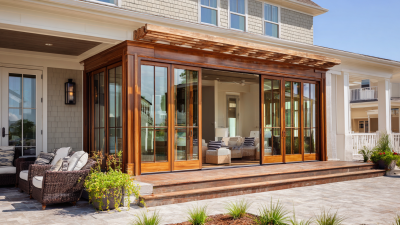
For global buyers, material choice should match climate, exposure, and maintenance expectations. Aluminum frames are slim and strong, but basic profiles can transfer heat quickly. Look for thermal breaks and powder-coated surfaces suited to local conditions. Vinyl frames usually offer good insulation and low maintenance. However, color stability and structural performance may vary in intense sunlight. Timber creates warmth and natural character. It needs regular sealing, especially in humid or coastal areas.

Durability depends on more than the frame. Check hardware cycles, drainage design, gasket quality, and corrosion resistance. Ask for independent test reports, not only sales descriptions. Laminated glass can improve security and reduce noise. Tempered glass helps limit dangerous shards after breakage. Coastal projects need corrosion-resistant fittings. That detail is easy to miss.

Energy efficiency requires several measurements. A lower U-factor generally means better insulation. Solar heat gain coefficient matters in hot, sunny regions. Low-e glass can reduce unwanted heat transfer while preserving daylight. Air leakage ratings also deserve attention. A well-insulated door can still waste energy if installation leaves gaps. Sealing matters most. Local building codes, wind loads, and ventilation practices should guide the final selection. One weakness remains: buyers often compare laboratory figures without checking real installation quality. That comparison is incomplete.

Best Patio Door Designs for Different Climates and Homes

Choosing the best patio door begins with climate, not appearance. In hot regions, low-emissivity double glazing can reduce solar heat gain and protect indoor furniture from fading. Sliding doors with tight weather seals also limit dust and humid air. Keep the frame light-colored where intense sunlight may cause expansion.

Cold climates need stronger insulation. Look for thermally broken frames, insulated glass, and a tested low U-value. Hinged doors often provide a tighter seal than basic sliding systems. However, sliding doors save space and suit compact apartments. The choice depends on daily use.

In coastal or storm-prone areas, select doors with verified water, air, and wind resistance. Multi-point locks improve security and reduce frame movement during severe weather. In rainy regions, a sloped sill and proper drainage matter as much as the glass. Small installation errors can cause large problems.

For traditional homes, wood or wood-look frames can complement warm interiors. Modern houses may benefit from wide glass panels and slim aluminum profiles. Families with children should consider laminated safety glass and low handles. I have seen attractive doors perform poorly because installers ignored local exposure. No design is perfect. Recheck the drainage path after installation, especially before the wet season.

Security, Accessibility, and Maintenance Considerations

What Are the Top Patio Doors for Global Buyers?

Security should begin with the frame, not the marketing label. The FBI’s 2023 Crime Data Explorer recorded about 847,522 burglary offenses in the United States. That figure supports careful hardware selection, although crime patterns differ between countries. Look for laminated or impact-resistant glazing, reinforced frames, multipoint locks, and anti-lift devices. Sliding doors need secure tracks and limited frame movement. Hinged doors require strong hinges and a well-fitted strike plate. Small details matter. I would not trust glass strength alone, because poor installation can weaken an otherwise capable door.

Accessibility affects daily comfort, especially for wheelchair users, older residents, and children. The World Health Organization estimates that 1.3 billion people experience significant disability worldwide. A low threshold, wide clear opening, lever-style hardware, and smooth rolling resistance can make a real difference. Common accessibility benchmarks use a 32-inch clear opening and minimal threshold changes, but local requirements may vary. A door can meet a measurement and still feel difficult in practice. Test it with one hand.

Maintenance should be judged before purchase. The International Energy Agency reports that buildings consume roughly 30% of global final energy. Worn seals, misaligned rollers, and dirty tracks can increase drafts and operating effort. Choose replaceable weatherstripping, corrosion-resistant hardware, accessible drainage channels, and finishes suited to local humidity or salt air. Clean tracks gently and inspect fasteners twice yearly. Maintenance is design. Yet even this routine can fail when replacement parts are unavailable, an issue many buyers discover too late.

What Are the Top Patio Doors for Global Buyers? - Security, Accessibility, and Maintenance Considerations

Patio Door Type Typical Security Features Accessibility Considerations Maintenance Demand Weather and Energy Performance Space Requirement Best Use Case
Sliding Patio Door Multi-point locks, anti-lift blocks, reinforced frames, and laminated or tempered safety glass can improve protection. Usually easy to operate without a swing arc; a low or flush threshold improves wheelchair and walker access. Low to moderate; tracks should be vacuumed and cleaned, and rollers may need adjustment or replacement. Good performance is possible with insulated glazing, tight weatherstripping, and correctly drained tracks. Efficient use of indoor and outdoor floor space because the panels slide in the frame. Apartments, compact patios, balconies, and high-traffic residential openings.
Hinged French Door Strong deadbolts, multi-point locking systems, reinforced strike plates, and security glazing are commonly available. Can provide a wide opening, but the threshold and door swing must be designed carefully for users with limited mobility. Low; hinges, locks, seals, and drainage paths require periodic inspection. Generally strong air and water resistance when the doors are properly aligned and weather-sealed. Requires clear floor area for the door leaves to swing inward or outward. Traditional homes, renovation projects, and openings where a broad passage is important.
Bi-Fold Patio Door Multi-point locks and strong upper and lower tracks can provide good security when panels are correctly closed and secured. Creates a wide opening, but several panels and operating hardware may require more hand strength than a single sliding panel. Moderate; hinges, rollers, tracks, seals, and panel alignment need regular cleaning and inspection. Performance depends heavily on panel seals, frame design, installation accuracy, and the number of joints. Needs stacking space at one or both sides of the opening. Large entertaining areas where a wide connection between interior and exterior spaces is desired.
Lift-and-Slide Door Large panels can use multi-point locks, anti-lift protection, robust frames, and security-rated glazing. The lifting mechanism reduces sliding friction; a level threshold and accessible handle height are important for inclusive use. Low to moderate; tracks, rollers, seals, and drainage channels should be kept free of dirt and debris. Often capable of high thermal and air-tightness performance when paired with insulated frames and low-emissivity glazing. Uses less interior floor space than hinged doors but requires sufficient wall width for the panels. Premium residential projects, expansive views, and large openings in variable climates.
Stacking Multi-Slide Door Security depends on the locking system, fixed-panel anchoring, anti-lift protection, and the tested performance of the complete assembly. Can offer a level transition and wide passage, although large panels may be difficult to operate without assisted hardware. Moderate; long tracks and multiple seals require frequent cleaning, especially in dusty or coastal locations. Can deliver strong insulation and weather resistance when professionally engineered and installed. Requires a large wall pocket or stacking zone for several panels. Luxury homes, hospitality spaces, and buildings designed for maximum opening width.
Tilt-and-Slide Door Multi-point locking hardware and a closed compression seal can provide a solid security baseline. The sliding function can be accessible; handle position, operating force, and threshold height should be specified for the user. Low to moderate; hardware, tracks, seals, and drainage openings need periodic care. The compression seal can support good air and water control when the frame remains correctly adjusted. Requires little swing clearance and generally fits standard wall openings. Homes needing both everyday ventilation and space-efficient access.
Selection note: Actual security, accessibility, insulation, and weather performance depend on the complete door assembly, including frame material, glazing, locks, threshold design, installation quality, local building codes, and climate exposure. Buyers should request independently tested air, water, structural, thermal, and forced-entry performance where applicable.

How Global Buyers Can Choose the Right Patio Door Provider

Global buyers should evaluate the provider before comparing patio door styles. A reliable supplier explains U-factor, solar heat gain coefficient, air leakage, and visible transmittance. These values should appear on an independent performance label, such as the National Fenestration Rating Council system. Ask for proof. Product photos are not enough.

The U.S. Department of Energy reports that windows can account for 25–30% of residential heating and cooling energy use. Patio doors often contain larger glass areas, so weak thermal performance can increase indoor temperature swings. Choose a provider that offers climate-specific glass, insulated frames, tested weather seals, and drainage details. A supplier serving tropical regions should discuss solar control and moisture resistance. Cold-climate buyers need low U-factors and strong edge insulation.

Provider reliability also depends on documentation and after-sales support. Request test reports, installation drawings, material specifications, packaging details, and warranty conditions before placing a deposit. Confirm whether replacement rollers, locks, seals, and glass can be sourced locally. Check the supplier’s experience with export customs and container protection. One damaged corner can delay an entire project.

A low quotation still tempts buyers. That is risky. Some specifications remain unclear until installation. Buyers should compare complete delivered costs, not only factory prices. Verify compliance with applicable building standards, including regional safety-glazing requirements and wind-load calculations. A thoughtful provider will admit performance limits and recommend revisions when the original design is unsuitable. That honesty matters.

Request Your FREE Quote