Top 10 Best Window Deals You Shouldnt Miss This Season
As the season transitions, homeowners are increasingly looking for the best window deals to enhance their living spaces while maximizing their investments. According to Sarah Thompson, a renowned expert in the window renovations industry, "The right window deals not only improve energy efficiency but also elevate the overall aesthetic and value of your home." With such insights in mind, it becomes essential to explore the top offers available this season.
Window deals are not just about finding the lowest price; they encompass a range of factors including quality, design, and durability. Seasons like this present a unique opportunity for homeowners to invest in their properties without breaking the bank. As expert opinions suggest, the right window can transform a home, making it more inviting and comfortable. As we delve into the top 10 best window deals you shouldn't miss this season, prepare to discover exceptional opportunities that cater to both your style and budget.
Top Trends in Energy-Efficient Windows for 2023
In 2023, the demand for energy-efficient windows is at an all-time high, driven by a collective push towards sustainability and energy conservation. According to the U.S. Department of Energy, approximately 30% of a home's energy is lost through inefficient windows, making upgrading to energy-efficient options a smart investment. Today's energy-efficient windows are designed with advanced insulating materials and technologies that significantly reduce heat transfer, helping homeowners decrease their energy bills and enhance indoor comfort.
One of the primary trends emerging in the window industry is the increased use of triple glazing. Research indicates that windows with triple-pane glass can improve thermal insulation by up to 50% compared to their double-glazed counterparts, which translates to substantial energy savings over time. Additionally, low-emissivity (Low-E) coatings are becoming standard, reflecting radiant heat back into the home during winter while keeping unwanted solar heat out in summer. This year, homeowners are particularly interested in options that meet or exceed ENERGY STAR certification, which signifies products that are designed to save energy and perform efficiently.
As consumers increasingly prioritize sustainability, many are also seeking windows constructed from recyclable materials and those that offer a longer lifespan, further solidifying their eco-friendly credentials. The combination of functionality, aesthetic appeal, and environmental responsibility are driving the innovation of energy-efficient windows, making them a key feature for new builds and renovations alike.
Comparative Analysis of Window Styles: Pros and Cons
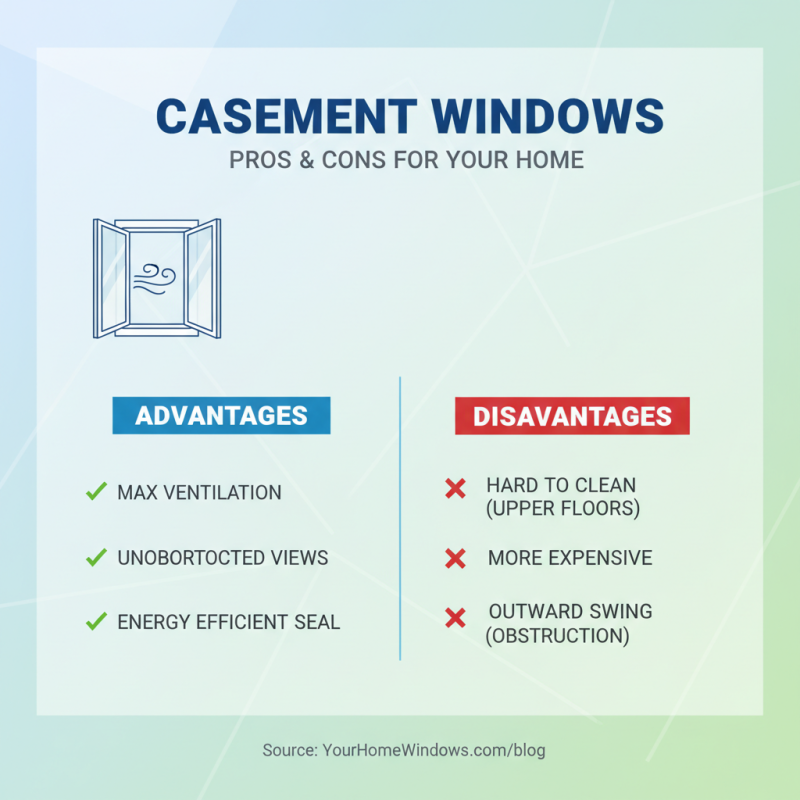
When selecting windows for your home, a comparative analysis of various styles reveals distinct advantages and drawbacks. For instance, casement windows provide excellent ventilation as they can be fully opened and offer unobstructed views. Their design also allows for better energy efficiency due to the tight seal created when closed. However, they may be more challenging to clean, especially on upper floors, and can be more expensive than other window types.
On the other hand, double-hung windows are a popular choice due to their classic aesthetic and ease of operation. They allow for customizable airflow by opening the top or bottom sash and are relatively easy to maintain. However, their construction can make them less energy-efficient compared to casement windows, as they may not seal as tightly. Sliding windows, while sleek and modern, can also pose challenges regarding insulation, as they often have larger gaps when closed. Each window style offers unique benefits, so careful consideration of individual needs and home design is crucial when making a decision.
Cost-Benefit Analysis of Double vs. Triple Pane Windows
When considering new windows for your home, a cost-benefit analysis of double versus triple pane windows is crucial. Double pane windows consist of two layers of glass with a space filled with argon or krypton gas to improve insulation. On the other hand, triple pane windows add an extra layer, enhancing their thermal performance. According to the U.S. Department of Energy, triple pane windows can reduce heat loss by up to 30% compared to double pane models, making them an excellent choice for energy efficiency.
However, the initial cost of triple pane windows is typically higher, often by 20-30%. A study by the Lawrence Berkeley National Laboratory found that while the investment is greater upfront, homeowners could save between $100 to $600 annually on energy bills depending on their geographic location and heating needs. Therefore, when calculating long-term savings, triple pane windows may present a better return on investment for those living in extreme climates.
**Tips:** When choosing windows, consider your local climate and energy costs. For colder regions, the added insulation of triple pane windows may outweigh the initial expense. Additionally, check for any local energy efficiency rebates or incentives that might help offset the higher upfront costs of triple pane installations.
Top 10 Best Window Deals You Shouldn't Miss This Season - Cost-Benefit Analysis of Double vs. Triple Pane Windows
| Window Type |
Average Cost per Window |
Energy Efficiency Rating |
Average Lifespan (Years) |
Potential Energy Savings (Annual) |
| Double Pane |
$300 |
R-3 to R-4 |
15-20 |
$150 |
| Triple Pane |
$600 |
R-5 to R-7 |
20-30 |
$250 |
| Single Pane |
$150 |
R-1 to R-2 |
10-15 |
$50 |
| Double Pane Low-E |
$400 |
R-4 to R-5 |
15-25 |
$180 |
| Triple Pane Low-E |
$700 |
R-6 to R-8 |
20-35 |
$300 |
| Double Pane Argon |
$350 |
R-3.5 to R-4.5 |
15-20 |
$160 |
| Triple Pane Argon |
$800 |
R-7 to R-9 |
20-30 |
$400 |
| Double Pane Tempered |
$450 |
R-4 to R-5 |
15-25 |
$200 |
| Triple Pane Tempered |
$900 |
R-7 to R-9 |
20-35 |
$450 |
How Window Installation Quality Impacts Long-Term Savings
When considering window installation, the quality of the installation process can significantly influence long-term savings for homeowners. According to a report by the Window & Door Manufacturers Association, poorly installed windows can lead to energy losses of up to 30%. This inefficiency can drive up heating and cooling costs, undermining any potential savings from energy-efficient window products. Furthermore, the National Association of Home Builders highlights that homes with high-quality window installations experience improved thermal performance, which not only contributes to lower energy bills but also enhances overall comfort year-round.
Moreover, a well-executed window installation can extend the lifespan of your windows. The Energy Star program notes that proper installation plays a critical role in preventing issues such as air leaks and moisture accumulation, which can cause premature deterioration of both window frames and surrounding structures. In fact, homes fitted with professionally installed windows report a 10-20% increase in their resale value, as buyers appreciate the benefits of energy efficiency and reduced maintenance costs. Therefore, investing in high-quality window installation is not merely an upfront cost but a long-term financial strategy that pays dividends over time.
Evaluating the Best Window Brands: Performance Metrics and Reviews
When evaluating window brands, it is essential to focus on various performance metrics that determine the overall effectiveness and quality of the products. Key aspects to consider include energy efficiency, noise reduction, and durability. Energy efficiency can be gauged by the window's U-value and Solar Heat Gain Coefficient (SHGC), which indicate how well the window insulates against heat loss and solar gain. These metrics not only influence comfort levels indoors but also contribute to energy savings over time, making them critical for homeowners looking to reduce utility bills.
Another significant metric to assess is noise reduction, often measured by Sound Transmission Class (STC) ratings. Higher STC values indicate better sound insulation, which is particularly important for those living in noisy urban environments. Additionally, the overall durability of the materials used is vital for longevity and maintenance needs. Factors such as frame construction, weather resistance, and the warranty offered can provide insights into how well a window will perform over time. In summary, understanding performance metrics is essential for choosing windows that will meet both the immediate and long-term needs of homeowners.