Choosing the right sliding French doors can transform your space. Expert designer Laura Bennett states, “Sliding French doors bring the outside in.” This statement captures their essence. These doors offer beauty and functionality, but selection can be challenging.
Consider the size and style of your home. Measure carefully before making a decision. Installation may seem straightforward, but it can lead to errors. A misaligned door can be both frustrating and costly. Take time to understand materials and styles.
Remember that aesthetics and practicality go hand in hand. Sliding French doors should complement your home's design. Detailed planning is essential. Reflect on the balance between elegance and ease of use. Proper installation can make all the difference.
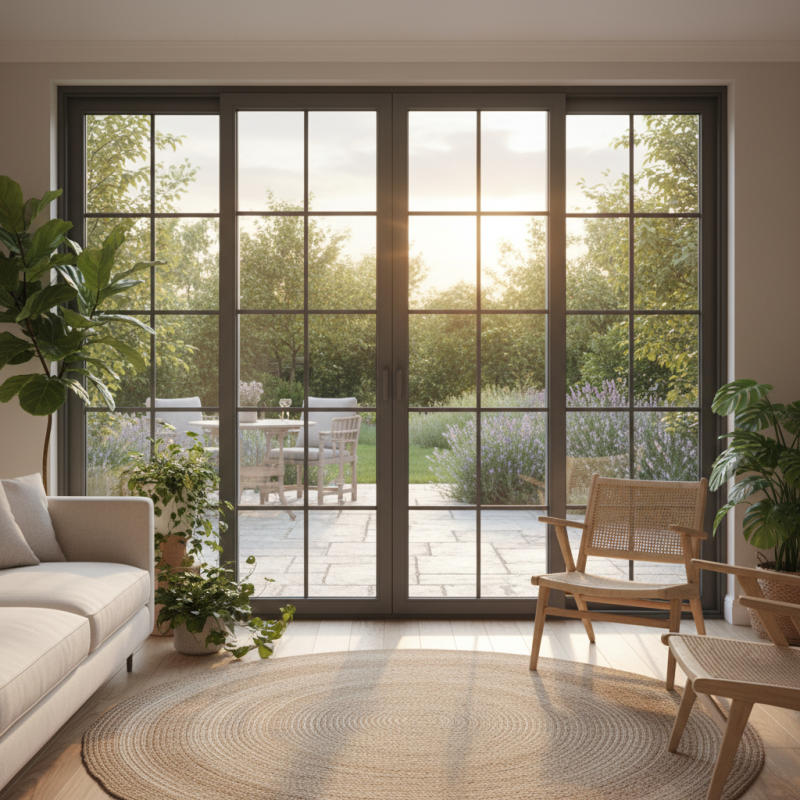
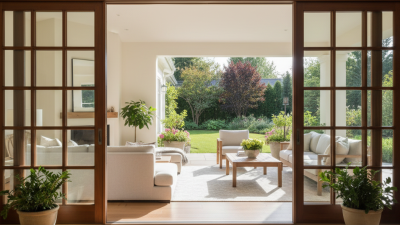
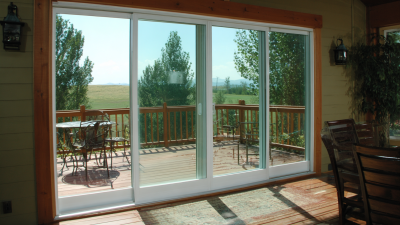
Sliding French doors come in various styles. They enhance natural light and offer stunning views. Their elegance adds charm to any space.
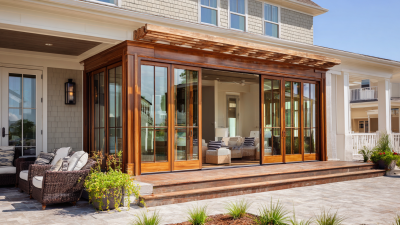
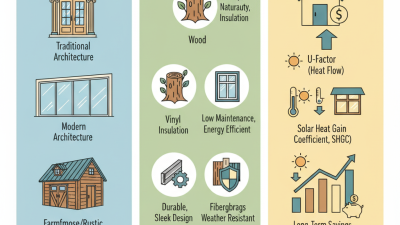
There are two main types: traditional and modern. Traditional doors often have multiple panels and can reflect a historical aesthetic. Modern doors tend to feature clean lines and larger glass panes. Consider the architectural style of your home when choosing.
Installation can be tricky. Ensure accurate measurements for a perfect fit. Take special care with the track alignment. A small error may affect the door’s operation. Always check for smooth sliding after installation. It's essential to test the accessibility. Remember, ease of use matters.
Choosing the right sliding French doors is crucial for enhancing your home’s aesthetic and functionality. According to industry reports, about 57% of homeowners value natural light when selecting doors. This makes glass size and type a key factor. Double-glazed glass often offers better insulation and energy efficiency. Consider this, as higher energy bills may lead to regrets later.
Tip: Always evaluate the door frame material. Aluminum and vinyl often provide durability, while wood can offer warmth but may require more maintenance. Homeowners often overlook this and face the consequences in the long run.
Another key aspect is opening mechanism. A smooth operation is vital. Reports indicate that poorly functioning doors can reduce user satisfaction by up to 40%. Regular cleaning of the tracks and checking the alignment can prevent issues. Remember, not all doors glide effortlessly; some may need adjustments.
Tip: Measure the doorway accurately. Many homeowners face fit issues due to incorrect measurements. An inch here or there can lead to significant installation issues. Always buy a bit larger or consult with professionals.
This chart illustrates the key features homeowners prioritize when selecting sliding French doors for their homes. The dimensions represent the importance level of each feature on a scale of 1 to 10.
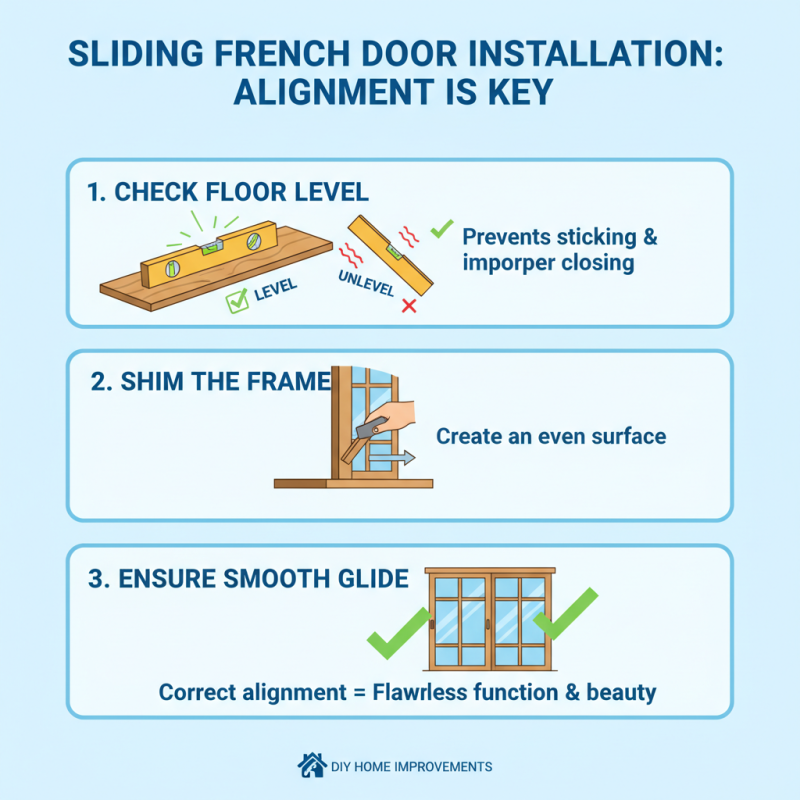
When installing sliding French doors, alignment is crucial. A single misstep can lead to functionality issues and aesthetic concerns. Begin by ensuring the floor is level. An unlevel surface can cause doors to stick or not close properly. Use a level tool to check for any discrepancies. If corrections are needed, consider shimming the frame slightly for an even surface.
Once the frame is level, it’s time to position the doors. Pay close attention to the gaps between the doors and the frame. Ideally, these gaps should be uniform. If one side appears wider, you may need to adjust the rollers or hinges. This step requires patience. Sometimes, despite best efforts, alignment isn't perfect. If doors are difficult to open, reassess the positioning and retry.
Testing the doors after installation is essential. Open and close them several times. Listen for any unusual sounds. If there's grinding or sticking, readjustments are necessary. Check if both doors lock securely. An imperfect installation can lead to security issues. Taking the time to ensure proper alignment makes a significant difference in the door's performance.
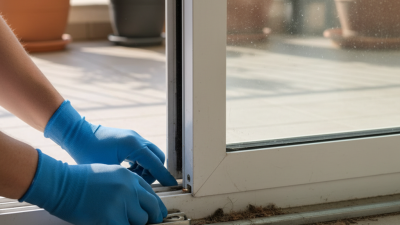
Maintaining sliding French doors requires consistent effort. Regular cleaning is essential. Wipe down the tracks monthly. Dirt and debris can cause issues. Use a damp cloth to remove grime. Dry the surfaces afterward. A clean track allows smooth movement.
Lubrication is important too. Apply a silicone-based spray to the wheels periodically. This can prevent squeaks and sticking. A little goes a long way. Overdoing it might attract dust. Balance is key. Check the weather stripping for wear and tear. A damaged seal can lead to drafts.
Inspecting the door frame is vital. Look for cracks or signs of rot. Addressing these issues promptly can save money. Many forget this step until a bigger problem occurs. If sliding becomes difficult, check alignment. Misalignment can cause friction. Adjust as needed to enhance functionality. Regular maintenance ensures that your doors last longer.
| Dimension | Details |
|---|---|
| Material | Vinyl, Wood, Aluminum |
| Energy Efficiency Rating | U-Factor < 0.30 |
| Security Features | Multi-point locking systems |
| Installation Requirements | Level opening, suitable wall framing |
| Maintenance Frequency | Bi-annual inspection |
| Cleaning Recommendations | Use a mild detergent and water |
| Common Problems | Sticking doors, broken rollers |
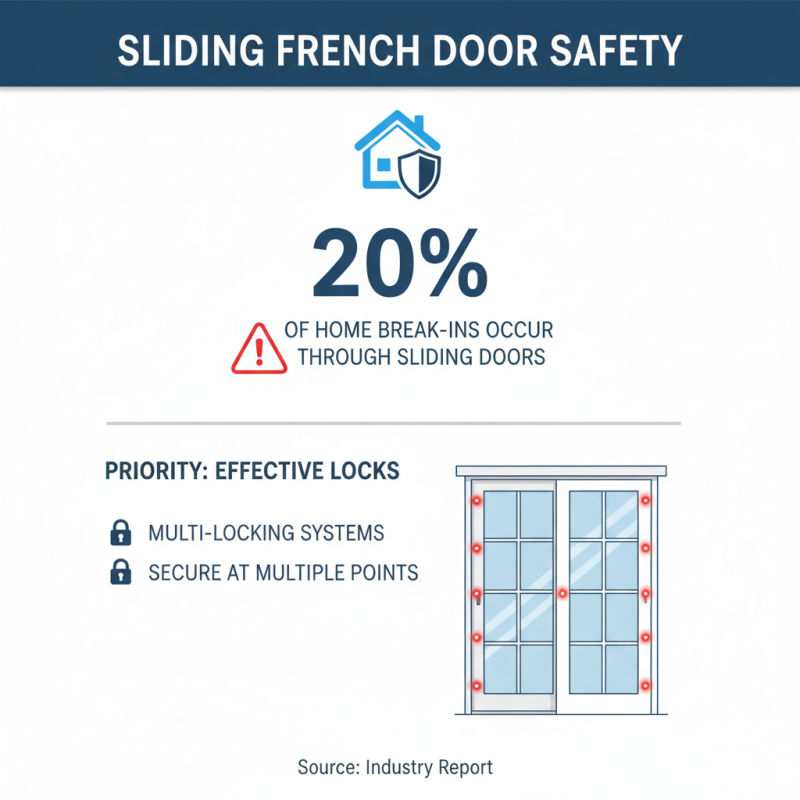
When choosing sliding French doors for your home, safety should be a priority. A recent industry report noted that nearly 20% of home break-ins occur through sliding doors. It's essential to ensure that these doors come with effective locking mechanisms. Look for multi-locking systems that secure the door at multiple points, creating an added layer of security.
Consider the material used for the doors. Tempered glass is a common choice, as it is more resistant to breakage. Installing shatter-resistant film on the glass can further enhance safety by holding the pieces together if the glass is broken. Additionally, ensure that tracks are well-designed to prevent accidental derailment.
Tips for installation include checking the sill's alignment and ensuring proper leveling. An uneven surface can lead to operational issues over time. Ensure that the door is fitted with weather stripping for insulation against the elements. Poor installation can lead to drafts, making your home less energy-efficient. Always measure twice before cutting, and avoid rushing through the process. Remember, a well-installed door doesn't just look good; it enhances your home's safety.