Top 10 Ways to Prevent Ice Dams on Roofs This Winter?
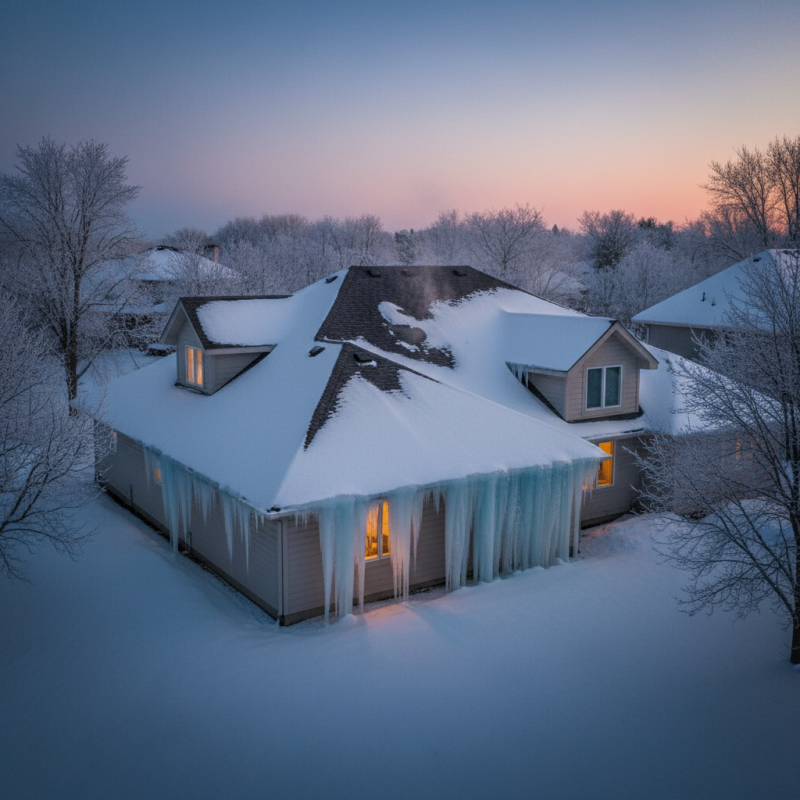
As winter approaches, homeowners face the risk of ice dams on roofs. These formations can cause significant damage and lead to costly repairs. John Smith, a roofing expert with over 20 years of experience, emphasizes, "Preventing ice dams on roofs begins with understanding heat loss." This insight highlights the importance of proactive measures.
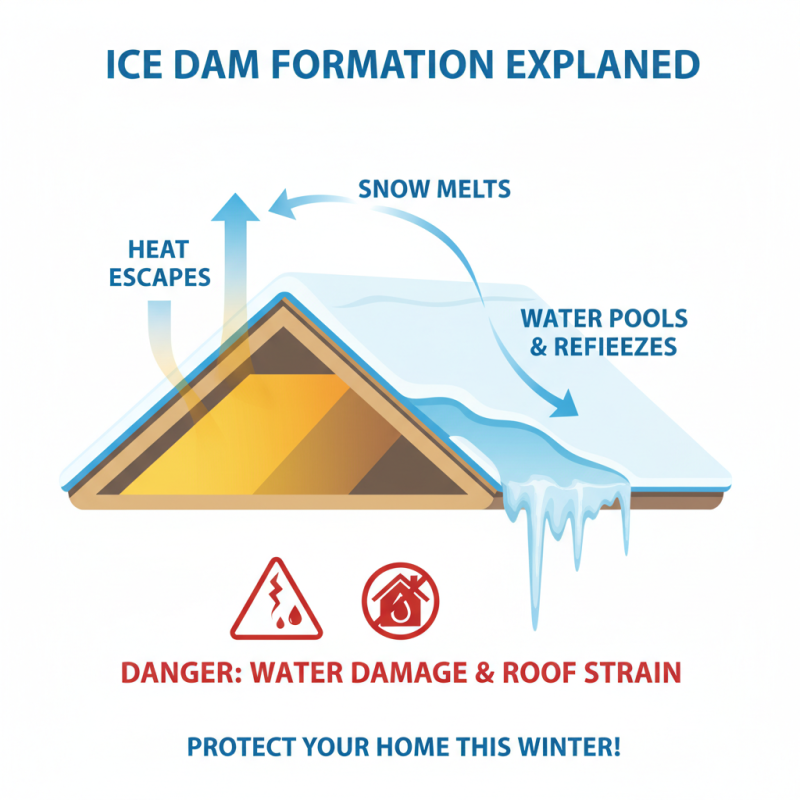
Ice dams occur when snow melts on the roof, then refreezes at the eaves. The trapped water can seep under shingles, causing leaks inside homes. Many overlook this issue until it’s too late. It’s essential to inspect insulation and vents to reduce heat escaping into the attic.
Adopting practical strategies can prevent these icy barriers. Installing roof membranes or using heat cables can be effective. However, some homeowners may ignore these solutions, waiting for problems to arise. Ignoring the potential damage from ice dams on roofs can lead to extensive repairs and insurance claims.
Understanding Ice Dams: Causes and Risks for Your Roof
Ice dams form when heat escapes from the roof, causing snow to melt. This melting leads to water pooling at the edge of the roof. As temperatures drop, this water refreezes. The ice blockages can be dangerous. They may cause significant water damage. Roofs are not built to handle this.
One major cause of ice dams is inadequate insulation. If your attic isn’t well insulated, it can lead to excess heat. This clarifies how important proper insulation is during winter. Another culprit is poor ventilation. Proper airflow is key to regulating temperature. Without it, the warmth can cause ice formation. Homeowners often overlook these aspects. It’s essential to regularly check these areas to avoid problems.
The risks associated with ice dams can be severe. Water can seep into your ceilings and walls. This can lead to mold growth. Not dealing with these issues can cause costly repairs later. Many people don’t realize the importance of preventative measures. Checking gutters and clearing debris can help minimize risks. The steps may seem simple, but they are crucial for preservation.
Insulating Your Attic to Maintain Proper Roof Temperature
Insulating your attic is essential for maintaining a consistent roof temperature during winter. Without proper insulation, warm air from your home escapes into the attic. This creates an imbalance that can lead to ice dams. Insulation helps trap heat and keeps your roof cold, preventing melting snow from refreezing at the eaves.
The type and quality of insulation matter significantly. Materials like fiberglass or cellulose can be effective. However, the installation process is often sloppy. Gaps and compressions in insulation reduce its effectiveness. DIY methods sometimes lead to gaps, allowing heat to escape. It's crucial to check for any leaks, as even small cracks can impact the whole system.
Sometimes, homeowners hesitate to invest in attic insulation, thinking it’s too costly. Ignoring this can lead to bigger problems. Mold, water damage, and increased energy bills might follow. Reflections on old insulation can reveal forgotten areas needing attention. Addressing these issues now can save time and money later.
Sealing Air Leaks to Prevent Warm Air from Escaping
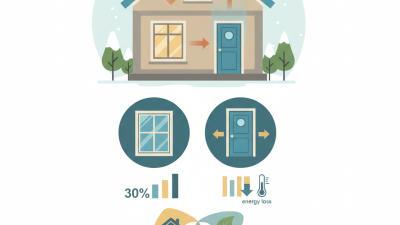
Preventing ice dams involves sealing air leaks in your home. Air leaks can contribute to significant heat loss. According to the U.S. Department of Energy, up to 30% of a home's heat can escape through gaps and cracks. This heat escape causes the snow on your roof to melt unevenly, leading to ice dams.
Inspect areas around windows, doors, and attics. Even small openings can allow warm air to escape. Sealing these leaks with caulk or weather stripping is a straightforward solution. A study by the Lawrence Berkeley National Laboratory indicates that proper air sealing can reduce energy bills by up to 20%.
Don’t overlook insulation. A well-insulated attic slows heat transfer. The North American Insulation Manufacturers Association suggests maintaining at least R-49 insulation in the attic. This not only keeps your home warm but is also vital in preventing ice buildup. Addressing air leaks and insulation might seem tedious. However, these measures are essential for long-term home protection.
Enhancing Roof Ventilation for Optimal Heat Distribution
Winter is near, and ice dams can be a real headache. They form when heat escapes from the roof. This leads to melting snow that refreezes at the edge of the eaves.
Enhancing roof ventilation can help solve this issue effectively.
Proper ventilation allows heat to escape efficiently. It is essential to have intake vents in the soffit and exhaust vents at the ridge.
This setup creates a steady flow of air. It keeps the roof cold, reducing snow melt.
Ensure that vents are not blocked by insulation or debris. Sometimes, accessing tight spaces can be tricky. Make it a habit to check these areas regularly.
Tip: Install baffles in the attic to direct airflow. This will enhance circulation and keep your home cooler.
Consider consulting professionals for a proper assessment. They can identify potential problem areas easily.
Ice dams are preventable, so taking action early can save you from costly repairs later.
Regular Roof Maintenance: Clearing Debris and Snow Accumulation
Regular roof maintenance is crucial during winter. Snow and debris can accumulate, leading to ice dams. According to the National Roofing Contractors Association, 33% of homeowners experience roof issues in winter. Preventing snow buildup is vital.
Clearing snow from roofs after storms can make a significant difference. A foot of snow can weigh over 20 pounds per square foot. This weight stresses the roof and increases the chance of leaks. Homeowners often neglect areas like valleys and eaves, which are susceptible to water pooling.
Regular inspections can help identify problem areas. A study by the Insurance Institute for Business & Home Safety indicates that 90% of ice dam cases relate to improper roof maintenance. Pay attention to your roof's condition throughout winter. It may be easy to overlook minor issues, but ignoring them can lead to significant damage and expensive repairs.
Top 10 Ways to Prevent Ice Dams on Roofs This Winter
| Method |
Description |
Frequency |
Importance Level |
| Regular Roof Inspections |
Inspect the roof for damage and potential leak points. |
Twice a year |
High |
| Clear Snow Accumulation |
Remove snow buildup to reduce weight and potential melting. |
After every snowfall |
Very High |
| Gutter Maintenance |
Ensure gutters are clean and free of debris to promote drainage. |
Seasonally |
High |
| Improve Insulation |
Enhance roof and attic insulation to maintain cooler roof temperatures. |
Once per renovation |
High |
| Install a Roof Rake |
Use a rake to remove snow from edges and prevent ice formation. |
After snow events |
Medium |
| Seal Roof Vents |
Ensure that roof vents are sealed to prevent warm air escape. |
Yearly |
Medium |
| Heat Cables |
Install heat cables along roof edges to melt snow and ice. |
Winter season |
High |
| Check for Ice Dams |
Inspect the roof for the formation of ice dams regularly. |
Every few weeks |
Very High |
| Install Proper Ventilation |
Ensure attic ventilation is adequate to maintain airflow. |
During renovations |
High |
| Professional Services |
Hire professionals for maintenance checks and snow removal. |
As needed |
Very High |