What is Industrial Insulation Rock Wool Board Benefits and Uses?
Industrial Insulation Rock Wool Board is a versatile material used in construction and industrial applications. It offers numerous benefits that enhance building performance and energy efficiency. This insulation type is created from natural rock materials, providing excellent thermal and acoustic properties.
When installed correctly, Industrial Insulation Rock Wool Board not only reduces energy consumption but also improves indoor comfort. Its fire-resistant nature adds a layer of safety, making it a preferred choice in many industries. Besides, the installation process is straightforward, though attention to detail is essential. Small mistakes can lead to reduced effectiveness.
Choosing the right insulation can be challenging. Some might overlook the sustainability aspect, but Rock Wool Board is recyclable and environmentally friendly. It's crucial to evaluate long-term benefits against initial costs. Making informed decisions ensures optimal performance and safety in various settings.
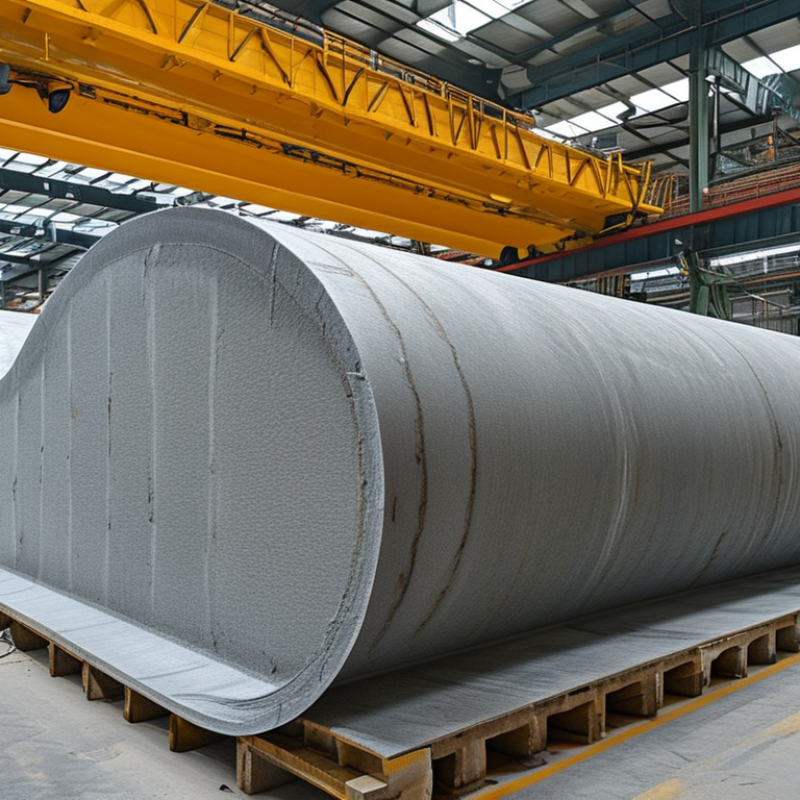
Definition and Composition of Industrial Insulation Rock Wool Board
Industrial insulation rock wool board, often made from natural or recycled materials, serves multiple purposes in various industries. It consists of fine fibers formed into dense boards and is primarily composed of basalt or glass. This material is well-regarded for its excellent thermal and acoustic insulation properties. The compact structure allows it to trap air, reducing heat transfer significantly, making it ideal for construction and manufacturing sectors.
The use of rock wool board extends beyond insulation. Its fire-resistant properties are essential in ensuring safety in industrial applications. Many factories and facilities utilize it to protect equipment and personnel from extreme temperatures. Additionally, rock wool is moisture-resistant and won’t promote mold growth, addressing a common concern in damp environments. However, some users note that installation might require careful handling, as cutting the boards can generate dust.
In practice, while rock wool panels provide undeniable benefits, they can be heavier than other insulation materials. This heaviness might complicate transport and installation processes. Some contractors recommend using proper support structures to ensure stability. Overall, understanding the composition and characteristics of industrial insulation rock wool board can help industries make informed choices tailored to their specific needs.
What is Industrial Insulation Rock Wool Board Benefits and Uses? - Definition and Composition of Industrial Insulation Rock Wool Board
| Property | Description |
| Material Composition | Rock wool made from natural volcanic rock fibers |
| Thermal Insulation | Excellent thermal resistance with a low thermal conductivity |
| Fire Resistance | Non-combustible, rated as A1 according to EN 13501-1 |
| Sound Insulation | Effective acoustic insulation properties reducing noise pollution |
| Moisture Resistance | Hydrophobic properties that prevent moisture absorption |
| Sustainability | Made from natural and recyclable materials, environmentally friendly |
| Applications | Used in industrial, commercial, and residential insulation projects |
| Thickness Options | Available in various thicknesses to suit different insulation needs |
Key Benefits of Using Rock Wool for Industrial Insulation
Rock wool insulation offers numerous benefits for industrial applications. Its high thermal resistance ensures that buildings remain energy-efficient, reducing heating and cooling costs significantly. According to a 2021 report from the U.S. Department of Energy, effective insulation can lower energy use by up to 30%. This translates to substantial savings over time, making rock wool a wise investment.
Another key advantage is rock wool's fire resistance. It can withstand temperatures up to 1,800°F, which is crucial in industrial settings where fire safety is paramount. A study by Fire Protection Association indicates that materials like rock wool can delay fire spread, providing critical time for evacuation and property protection.
Noise reduction is another benefit of rock wool. Its dense structure absorbs sound, making it ideal for factories and manufacturing plants. This reduces workplace noise levels and enhances productivity. However, installing rock wool requires skilled labor to maximize its effectiveness. Improper installation can negate its benefits, a factor that should not be overlooked. Thus, while rock wool insulation is advantageous, careful planning and execution are essential for optimal results.
Applications of Industrial Insulation Rock Wool Board in Various Industries
Rock wool insulation board has various applications across multiple industries. Its fire-resistant properties make it ideal for construction. Buildings benefit from enhanced safety and energy efficiency. The material also helps reduce noise pollution in urban settings.
In the manufacturing sector, rock wool boards are used to insulate pipes and equipment. This ensures optimal temperature control, especially in industrial processes. The boards also protect against condensation. However, some industries still struggle to adopt this effective solution. They often overlook its long-term cost savings.
Moreover, the energy industry utilizes rock wool for thermal insulation in power plants. This contributes to better energy conservation. While the advantages are significant, there is a need for better awareness. Many potential users remain uninformed about rock wool's benefits and applications. Education on its practical uses can lead to greater adoption and improved efficiency.
Comparison of Rock Wool with Other Insulation Materials
Rock wool insulation, made from spun fibers of stone, has unique benefits compared to other insulation materials. It offers exceptional fire resistance, withstanding temperatures up to 1,200 degrees Celsius. This makes it a preferred choice for construction projects requiring stringent safety standards. According to a report from the U.S. Department of Energy, rock wool can reduce heat transfer by up to 75%, significantly cutting energy costs.
In terms of soundproofing, rock wool performs better than traditional fiberglass insulation. Its dense structure absorbs sound waves, making it ideal for residential and commercial buildings. A study published by the International Journal of Engineering Research highlighted that rock wool insulation can reduce noise transmission by up to 50%. While other materials, like cellulose, are eco-friendly, they often lack fire resistance. Conversely, rock wool’s mineral composition makes it non-combustible, ensuring safety.
However, there are drawbacks to consider. Rock wool can be more expensive than fiberglass, affecting budget-conscious projects. Installation may require specialized techniques, which can lead to higher labor costs. Additionally, improper handling of rock wool can lead to skin irritation. This underscores the need for proper safety measures during installation.
Installation and Maintenance Guidelines for Rock Wool Boards
Rock wool boards are highly valued in industrial insulation due to their excellent thermal and acoustic properties. When installing these boards, it is crucial to follow precise guidelines. Start by ensuring the surface is clean and dry. Accurate cutting of the boards is essential for a snug fit. This precision minimizes gaps that could compromise insulation effectiveness.
During the installation process, always wear protective gear. Rock wool can irritate the skin and respiratory system. It is vital to avoid inhaling any loose fibers. Board placement should be staggered to enhance performance and structural integrity. Proper sealing with tape or adhesive can further reduce thermal bridging.
Maintenance often goes overlooked. Regular checks for moisture or damage are essential. If the boards show wear, replacement is necessary to maintain effectiveness. Be aware that improper installation can lead to significant energy loss. Reflecting on these guidelines can improve efficiency and safety in industrial applications.