Choosing exterior sliding doors in 2026 requires more than comparing glass sizes and frame colors. The U.S. Department of Energy reports that windows cause roughly 25% to 30% of residential heating and cooling energy use. Poorly sealed doors can worsen that problem, especially beside a windy patio. Grand View Research also forecasts continued growth in the global doors market through 2030, driven partly by renovation and energy-efficiency demand. Those figures matter, but they do not choose the right door for your home.
Building-science expert Joe Lstiburek has repeatedly emphasized, “If you don’t control the rain, you don’t control the building.” His warning fits sliding-door selection perfectly. A low sill, exposed track, or weak flashing detail can invite water behind the wall. Look for NFRC-rated performance, tested air leakage, water resistance, and appropriate glass coatings. Check the sill with your hand. It should feel solid, not flimsy.
No single door wins every project. A coastal home needs different protection than a shaded inland room. Large glass may create beautiful views, yet increase solar heat gain and cleaning demands. I have seen homeowners focus on smooth rollers while overlooking drainage. That is an expensive mistake. This guide examines frame materials, glazing, security hardware, installation quality, climate exposure, and long-term maintenance. Some recommendations remain imperfect because budgets, architecture, and weather rarely cooperate. The practical goal is simple: choose exterior sliding doors that open smoothly, resist moisture, conserve energy, and still perform years after installation.
2026 How to Choose Exterior Sliding Doors?
Exterior sliding doors can connect a kitchen, patio, or garden without using swing space. Their best type depends on opening width, weather exposure, traffic, and insulation needs.
Two-panel patio doors suit smaller openings and daily family use. They are usually easier to operate and maintain. Multi-panel sliding doors create wider views for large living rooms or entertaining areas. However, their heavier panels need strong tracks and careful installation. Lift-and-slide systems work well for expansive openings and improved sealing. The handle lifts the panel slightly before movement. This reduces friction, but usually increases cost and installation complexity. Pocket sliding doors disappear into the wall, making them useful for clean, open interiors. They require precise framing and enough wall depth. Barn-style exterior sliders offer a distinctive appearance for covered porches, studios, or low-exposure areas. They may provide less weather protection than sealed patio systems.
Climate should guide the frame, glass, and threshold choice. Low-emissivity glass can reduce heat transfer, while laminated glass may improve safety and noise control. In rainy or windy regions, check drainage channels, interlocking meeting rails, and sill height. A beautiful door can still leak when the surrounding flashing is poor. I would not choose the widest opening automatically. Larger panels feel impressive, but they can be difficult for children or older adults to move. Confirm local building requirements, structural support, and professional installation details before ordering. Small measurement errors become expensive quickly.
2026 How to Choose Exterior Sliding Doors?
Start with the glass, because it controls comfort as much as appearance. The U.S. Department of Energy estimates that windows cause 25–30% of residential heating and cooling energy use. Choose low-e insulating glass with a sealed air or argon space. NFRC labels report U-factor and SHGC. A lower U-factor reduces heat flow, while SHGC controls solar heat entering the room. Do not judge glass by tint alone. Visible light, glare, and winter warmth can conflict.
Frame material deserves equal attention. Aluminum is slim and strong, but unbroken metal conducts heat quickly. Ask for a tested thermal break, reinforced corners, and corrosion-resistant hardware. Vinyl and composite frames resist moisture, yet expansion and drainage details still matter. Inspect rollers, seals, weep holes, and the track. Small debris can stop a heavy panel. Look for air, water, and structural testing under AAMA/WDMA/CSA 101/I.S.2/A440. Tested numbers beat showroom confidence.
Installation can undermine excellent materials. A durable panel may still leak through a poorly prepared opening. Review the manufacturer’s U-factor, SHGC, air-leakage, and water-resistance ratings, preferably through NFRC certification and independent test records. Ratings are laboratory results, not guarantees for every wall. Coastal wind, driving rain, and uneven floors expose weaknesses faster. This is the uncomfortable part: a perfect specification cannot correct a twisted frame. Recheck drainage after the first hard rain.
Choosing exterior sliding doors in 2026 means comparing more than frame color and opening size. In my site inspections, energy performance often depends on installation quality. Check the U-factor, air-leakage rating, and solar heat gain coefficient. Lower U-factor usually means better insulation. However, a low number cannot fix a poorly sealed wall opening. Ask for tested performance data, not vague claims.
Weatherproofing deserves close attention in rainy or windy regions. Look for continuous weatherstripping, a sloped sill, drainage channels, and corrosion-resistant hardware. The door should close evenly without excessive force. After installation, inspect the corners and track during heavy rain. Small gaps can admit water. They may stay unnoticed for months. I once saw moisture damage caused by a blocked sill drain, not a defective panel. That experience changed how I evaluate doors.
Security combines glass, locks, frames, and daily habits. Consider laminated glass, anti-lift blocks, a strong keeper, and a lock with multiple engagement points. Check whether the closed panel can be lifted from the track. A visible secondary lock can provide useful reassurance, but it is not a complete solution. Local building requirements may influence glass and locking specifications. Energy ratings also vary by climate, so compare products under the same testing standard. No door is perfect. A careful installation and regular track cleaning still matter.
Choosing the right exterior sliding door starts with accurate measurements, not attractive photographs. Measure the structural opening at the top, middle, and bottom. Record the smallest width and height. Check whether the floor is level. A few millimeters can affect smooth operation and weather sealing. Leave room for the frame, sill, insulation, and interior trim. Also measure the clear passage, because a wide door may still provide a narrow opening.
The configuration should match traffic, furniture, and the available wall space. A two-panel door suits compact rooms and usually offers a simple left or right opening. A three-panel system can create a wider passage, while a four-panel design may provide a central opening. Stacking panels need clear wall space outside the main opening. Pocket configurations need careful structural planning inside the wall.
I once focused too much on the glass area and overlooked a radiator beside the door. That mistake changed the panel direction.
Opening style also affects daily comfort. Choose the active panel based on your usual walking route. A low threshold can improve access, but it still needs reliable drainage and correct installation. In windy areas, verify the door’s tested air, water, and structural performance. Ask for documented specifications rather than general promises. Check handle height, screen compatibility, locking points, and maintenance access. Test a display unit if possible. Lift it gently. Listen for rubbing. Small details matter.
Exterior sliding doors should be chosen by installation conditions, not appearance alone. Measure the opening at several points, because older walls are rarely perfectly square. Check the wall structure, drainage path, sill height, and available space for the panels. A wide glass door may need extra support. Professional installation is sensible when the opening is uneven or structural work is involved. Poor alignment can cause sticking, air leakage, and early hardware failure.
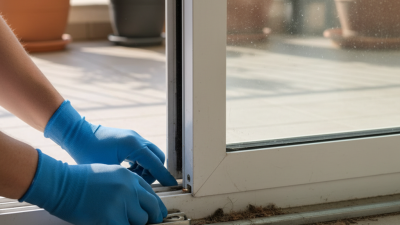
Maintenance affects both comfort and lifespan. Look for removable tracks, replaceable rollers, durable seals, and drainage holes that are easy to inspect. Clean the track regularly, especially after storms or nearby construction. Do not force a noisy panel. It may need adjustment, not more lubricant. Compare the total cost, including preparation, labor, delivery, screens, and future repairs. A cheaper door can become expensive if its rollers or seals are difficult to replace. Still, high price does not guarantee long service. Material quality, exposure, installation accuracy, and daily use matter more.
Tips: Ask for written warranty terms and maintenance instructions. Test the door before final payment. Open it slowly. Check for movement, drafts, uneven gaps, and water marks after rain. Keep photographs of the installation. They may help resolve future service questions. I would also leave a small repair budget, because real homes rarely follow perfect measurements. Evaluate expected lifespan realistically, rather than trusting a single impressive number.
| Door Type | Typical Installation Needs | Maintenance Requirements | Typical Installed Cost (USD) |
Expected Service Life | Energy and Weather Performance | Security Considerations | Best Suited For |
|---|---|---|---|---|---|---|---|
| Vinyl Sliding Door | Requires a square, level opening, proper flashing, and a structurally sound frame. Standard replacement installation usually takes about 1 day. | Clean the tracks and weep holes regularly, lubricate compatible rollers, inspect weatherstripping, and check the locking mechanism annually. | $1,500–$4,000 | 20–30 years | Good resistance to moisture and corrosion. Insulated frames and double-pane low-emissivity glass can provide good thermal performance. | Choose multi-point or reinforced locks, strong keeper plates, tempered or laminated glass, and an anti-lift device. | Budget-conscious homeowners, coastal or humid climates, and low-maintenance projects. |
| Aluminum Sliding Door | Needs accurate measurement and a rigid, well-supported opening. Large panels may require additional labor or lifting equipment. | Flush tracks, remove debris, inspect rollers and seals, and check for frame corrosion or finish damage, especially near saltwater. | $2,000–$6,000 | 20–40 years | Strong and dimensionally stable. Thermally broken frames and insulated glass are preferable because basic aluminum conducts heat readily. | Use heavy-duty rollers, secure locks, anti-lift blocks, and impact-rated glass where local wind or storm conditions require it. | Wide openings, modern designs, large glass areas, and high-traffic exterior entrances. |
| Fiberglass Sliding Door | Installation requires careful sill pan flashing, compatible sealants, and a level track. Structural reinforcement may be needed for oversized panels. | Generally low maintenance. Clean the frame and glass, clear the drainage path, and inspect rollers and weather seals once or twice a year. | $2,500–$6,500 | 25–40 years | Resists moisture, warping, and temperature changes. Performance depends largely on glass, frame design, air sealing, and installation quality. | Select reinforced frames, secure locking points, anti-lift protection, and laminated glass for higher resistance to forced entry. | Homeowners seeking long-term stability, low upkeep, and good performance in changing climates. |
| Wood-Clad Sliding Door | Requires precise installation, effective sill and head flashing, a dry protected opening, and careful sealing of all exposed wood surfaces. | Inspect finish, joints, sealants, and sill drainage regularly. Recoat exposed exterior wood approximately every 3–7 years, depending on climate and finish. | $3,500–$8,000 | 25–40 years | Wood provides natural insulation, while the exterior cladding improves moisture resistance. Poor sealing can lead to swelling, rot, or air leakage. | Use reinforced locking hardware, laminated glass where appropriate, and a properly anchored frame to improve resistance to forced entry. | Traditional or premium homes where appearance, insulation, and customization are priorities. |
| Steel-Framed Sliding Door | Requires a precisely supported opening because steel frames and large glass panels can be heavy. Professional handling and careful corrosion protection are recommended. | Inspect the coating, welds, seals, rollers, and drainage paths. Repair scratches promptly to reduce the risk of corrosion. | $4,000–$10,000+ | 30–50 years | Very strong and suitable for large glazed openings. Thermal performance depends on a thermally separated frame and high-performance insulated glass. | Provides a strong frame, but the lock, glass, rollers, and wall anchoring must be specified as a complete security system. | Premium architectural projects, large openings, and designs requiring narrow sightlines. |
| Multi-Panel or Folding Sliding System | Needs detailed structural review, a highly level sill, substantial header support, accurate drainage, and sufficient space for panels to stack or fold. | Clean multiple tracks, adjust rollers as needed, inspect seals and hardware, and follow the maintenance schedule more closely than for a standard two-panel door. | $6,000–$20,000+ | 20–35 years | Can create a large opening but has more joints and moving parts. Air, water, and thermal performance depend heavily on product design and professional installation. | Specify multi-point locking, anti-lift protection, impact-resistant glass when required, and secure panel stacking areas. | Wide patios, indoor-outdoor living areas, high-end renovations, and expansive openings. |
Planning notes: Cost ranges are broad U.S. installed estimates for common residential projects and can vary with opening size, glass specification, labor rates, structural changes, permitting, disposal, region, and site access. Lifespan estimates assume correct installation and routine maintenance. Before purchasing, verify local wind-load, egress, safety-glazing, energy-code, water-management, and accessibility requirements.