How to Fix a Sliding Back Door That Won't Open or Close Properly
A sliding back door is a convenient entryway that enhances the functionality and aesthetics of a home. However, issues arising from improper operation can lead to frustration and inconvenience for homeowners. Whether it’s sticking, jamming, or failing to close completely, a malfunctioning sliding back door can compromise security and disrupt daily life. Identifying the root cause of these problems is essential to restoring your door’s performance and ensuring it operates smoothly once again.
In this guide, we will explore effective solutions to troubleshoot and repair common issues associated with a sliding back door that won’t open or close properly. From misaligned tracks and damaged rollers to debris buildup and worn-out parts, we will cover various aspects that can affect the overall functionality of your door. By understanding these challenges, you can take actionable steps to fix them, often requiring just a few simple tools and a bit of time. With the right approach, your sliding back door can be reinstated to its intended ease of use, providing both accessibility and peace of mind.
Identify Common Issues with Sliding Back Doors
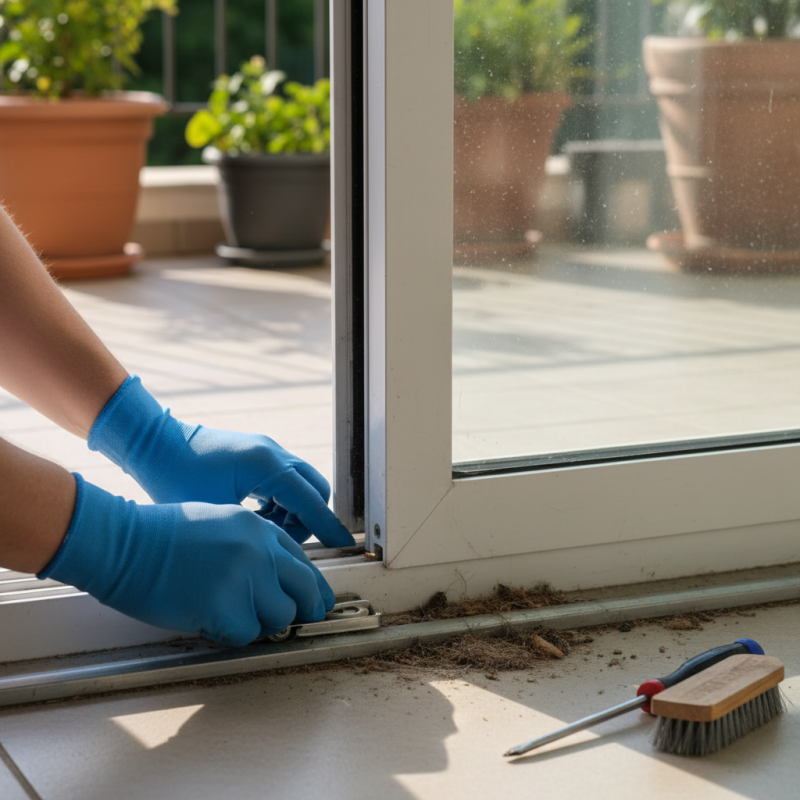
Sliding back doors can become troublesome when they don’t function as intended. One of the most common issues is dirt and debris accumulation in the tracks. When the rollers are clogged, they struggle to move smoothly, causing the door to stick or become difficult to open and close. Regular cleaning of the door tracks with a vacuum or a damp cloth can often resolve this issue, allowing for better operation.
Another frequent problem arises from misalignment. Over time, a sliding back door can become misaligned due to wear and tear, or if the house settles. When this happens, the rollers may not engage properly with the track. You can check for alignment by observing the gap between the door and the frame. If necessary, adjusting the roller screws located on the bottom of the door can help realign it, ensuring it opens and closes without hindrance.
How to Fix a Sliding Back Door That Won't Open or Close Properly - Identify Common Issues with Sliding Back Doors
| Issue |
Description |
Possible Solutions |
Regular Maintenance Tips |
| Off-Track Door |
The door has come off its track and won’t slide smoothly. |
Realign the door, replacing any damaged rollers if necessary. |
Regularly clean the track and inspect rollers for wear. |
| Sticking Door |
The door is difficult to open or close and feels sticky. |
Use lubricant on the track and check for any obstructions. |
Lubricate the track every few months to prevent sticking. |
| Worn-Out Rollers |
The door is difficult to open and close due to worn rollers. |
Replace the rollers with new ones for smoother operation. |
Inspect rollers regularly and replace as needed. |
| Frame Issues |
The frame may be warped or out of alignment. |
Adjust the frame or use shims to correct alignment. |
Keep the area around the door clear and maintain proper drainage. |
| Tracks Dirty/Damaged |
Dirt buildup can lead to improper door movement. |
Thoroughly clean the tracks and repair any damages. |
Regularly clean tracks and ensure no debris accumulates. |
Tools and Materials Needed for Repairing Sliding Doors
When dealing with a sliding back door that refuses to open or close properly, having the right tools and materials is crucial for an efficient repair. According to a recent report by the American Home Improvement Industry Association, approximately 85% of homeowners encounter issues with sliding doors at some point, emphasizing the need for homeowners to be equipped for basic repairs. Common tools necessary for this task include
a screwdriver set, pliers, a level, and a vacuum or brush to clean debris from the track.
Additionally, having replacement parts on hand, such as rollers and guide wheels, can significantly streamline the repair process.
The materials required for fixing sliding doors typically include lubricant, which is essential for easing the door's movement along the track, and weather stripping to ensure a proper seal. A study conducted by the National Association of Home Builders noted that regular maintenance of sliding doors can extend their lifespan by up to 30%, highlighting the importance of having these materials ready for use.
Investing in quality tools and materials not only facilitates a successful repair but also contributes to the door’s overall functionality and longevity.
Step-by-Step Guide to Adjusting Door Rollers
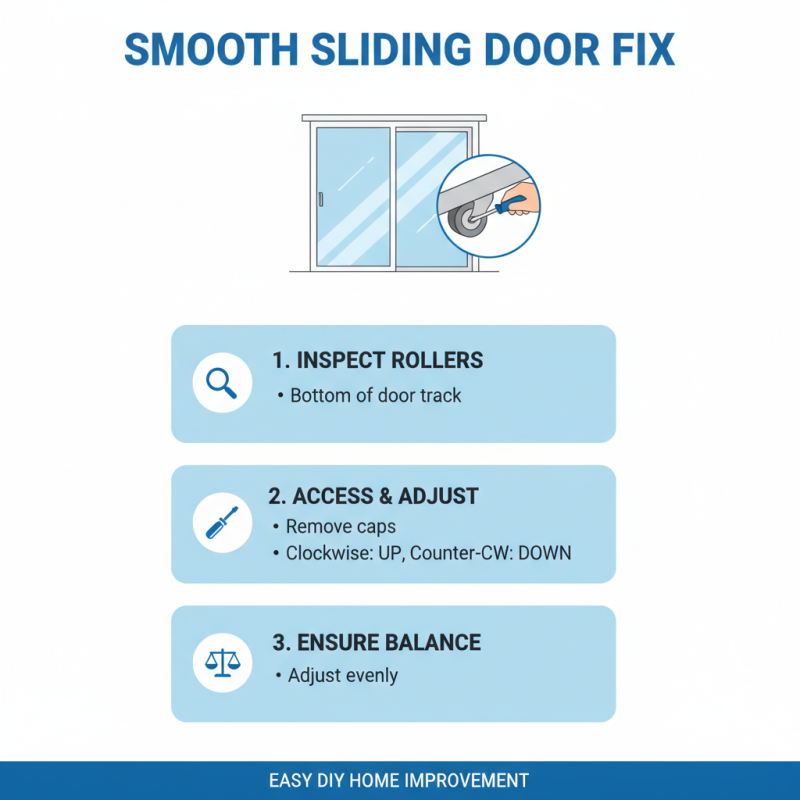
Adjusting the rollers on a sliding back door can significantly improve its functionality. Start by inspecting the rollers, which are usually located at the bottom of the door. Use a flathead screwdriver to access the adjustment screws, which may be covered by small caps. Turn the screws clockwise to raise the door and counterclockwise to lower it. Ensure that both rollers are adjusted evenly to maintain the balance of the door, preventing any unnecessary strain on the tracks.
Next, check the door track for any debris or wear that could affect sliding. Clean the track thoroughly with a brush or vacuum, removing dirt and grime that may hinder movement. If the tracks are damaged, consider replacing them to ensure smooth operation. Once the rollers are adjusted and the track is clean, test the door by sliding it open and closed multiple times. You may need to repeat the adjustment if the door still does not function properly. A well-maintained sliding door not only enhances convenience but also improves the overall aesthetic of your home.
How to Clean and Lubricate Sliding Door Tracks
Proper maintenance of sliding door tracks is essential for ensuring that your sliding back door operates smoothly. According to industry reports, around 70% of sliding door issues stem from dirty or misaligned tracks, which can lead to difficulty in opening and closing. Regular cleaning can prevent debris buildup that hinders the door's movement. Start by removing any loose dirt and debris with a vacuum or a brush. For deeper cleaning, use a mixture of warm water and mild soap, and a soft cloth or sponge to wipe the track thoroughly. It’s vital to inspect the tracks for any signs of damage, as this could also contribute to operational problems.
Once the tracks are clean, lubrication is key to smooth operation. Industry experts recommend using a silicone spray or a dry lubricant instead of oil-based products, as these won't attract dust and grime as easily. Apply the lubricant evenly along the track, ensuring not to over-saturate it. According to maintenance surveys, doors that are properly lubricated can improve their lifespan by up to 50%, reducing the need for frequent repairs. This proactive approach not only enhances functionality but also leads to a more energy-efficient home by ensuring that seals remain intact and effective. Regular upkeep can save homeowners significant costs over time and provide a more enjoyable user experience.
Tips for Replacing Damaged Sliding Door Parts
Replacing damaged parts of a sliding back door is essential for restoring its functionality and ensuring smooth operation. Common components that may need replacement include rollers, tracks, and handles. If the door is difficult to open or close, the rollers often wear down or become misaligned.
To fix this, start by removing the door from its track. Once removed, inspect the rollers for any signs of wear or damage. If they appear to be broken or rusty, replacing them with new ones that match the size and type of the existing rollers is crucial for proper movement.
In addition to rollers, the tracks can also accumulate dirt, dust, and debris, leading to operational issues. Clean the tracks thoroughly with a suitable cleaner to remove any buildup. If the tracks are bent or damaged, consider replacing them entirely. Ensure the new track is clean and level before reinstalling the door.
Lastly, handles may become loose or break over time, making it hard to operate the door. Replacing the handle is typically straightforward; simply unscrew the old one and secure a new one in place, ensuring it’s tightly fastened to prevent future issues.
By focusing on these essential components, you can enhance the performance of your sliding back door and extend its lifespan.