How to Choose Windows and Doors in Ottawa?

How to Choose Windows and Doors in Ottawa?

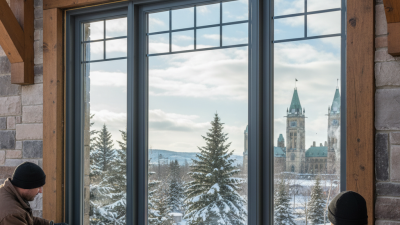
Choosing windows and doors in Ottawa is not a simple style decision. The city’s harsh winters, humid summers, strong winds, and older neighborhoods create demanding conditions. A product that performs well in Toronto may not suit an exposed Ottawa property. Local climate knowledge matters.

Experienced homeowners often compare more than glass appearance or frame color. They examine U-factor, air leakage, water resistance, installation methods, warranty coverage, and long-term maintenance. Energy-efficient windows can reduce drafts near a living-room sofa. A properly sealed door can stop snow dust from gathering along the threshold. Small details become noticeable during February cold snaps.

Mike Holmes, a respected Canadian contractor, often says, “Make it right.” That advice fits every windows and doors Ottawa project. Correct installation matters as much as the product itself. Even premium windows may underperform when flashing is incomplete or the opening is poorly measured.

There is no perfect choice.

Homeowners should consider their building age, budget, sunlight exposure, security needs, and renovation plans. Heritage homes may require a different approach from newly built townhouses. The cheapest quote may also hide limited hardware, weak insulation, or unclear installation responsibilities. That deserves careful questioning.

This guide explains how to evaluate materials, energy ratings, glass packages, door construction, installers, and warranties. It also considers practical Ottawa concerns, including condensation, seasonal expansion, and emergency repairs. Some recommendations may not suit every household. That is the point. A reliable decision begins with honest comparison, local experience, and realistic expectations.
How to Choose Windows and Doors in Ottawa?

Understanding Ottawa’s Climate and Building Requirements

How to Choose Windows and Doors in Ottawa?

Understanding Ottawa’s Climate and Building Requirements

Ottawa’s climate demands more than attractive glass and decorative frames. Environment and Climate Change Canada’s 1991–2020 climate normals show long, freezing winters and warm, humid summers. These conditions increase heat loss, condensation, and summer overheating. Natural Resources Canada identifies space heating as the largest energy use in Canadian homes. High-performance windows can reduce this burden, but they cannot correct poor insulation or careless installation.

Look for low U-factor values, suitable solar heat-gain control, and durable weather seals. ENERGY STAR Canada’s technical criteria provide useful performance benchmarks for Canadian climate zones. Triple glazing may improve comfort near large windows, while insulated steel or fiberglass doors can reduce drafts.

Check Ontario Building Code requirements before ordering. CSA installation standards also matter, because even excellent units can fail when flashing, shimming, or drainage is neglected. I have seen cold rooms blamed on windows when air leakage came from the surrounding wall.

Tips: Compare NFRC or Canadian-rated data, not only display labels. Inspect corners for condensation after cold nights. Ask for written installation details and warranty terms. Do not assume triple glazing always offers the best value; orientation, frame quality, and ventilation still influence results. A south-facing window may need shading, while a windy doorway may need an adjustable threshold. The perfect choice rarely exists. Reflect on the whole wall, not just the product.

Choosing the Right Window and Door Materials

How to Choose Windows and Doors in Ottawa?

Choosing the Right Window and Door Materials

Ottawa winters expose weak materials quickly. Cold frames, drafts, and indoor condensation are common warning signs. According to the U.S. Department of Energy’s Energy Saver guidance, windows can represent 25–30% of a home’s heating and cooling energy use. Material selection matters.

Vinyl frames offer strong insulation and usually need little maintenance. Fiberglass handles temperature changes better and feels more rigid around large openings. Wood provides warmth and classic detail, but it needs regular sealing. Aluminum is slim and durable, yet it can conduct cold unless it includes an effective thermal break. Composite materials may balance strength and insulation, although their cost can be higher. No material is perfect. I would not choose only by appearance.

Tips: Compare the whole unit, not glass alone. Check the U-factor, air leakage rating, and condensation resistance. Natural Resources Canada’s ENERGY STAR criteria identify these as important performance measures. For Ottawa’s climate, ask about triple glazing in exposed rooms. Inspect the frame corners and weatherstripping. A beautiful door that leaks near the threshold is still a poor purchase. Confirm that installers use low-expansion foam and properly sized shims. Small installation errors can defeat expensive materials.

How to Choose Windows and Doors in Ottawa? Choosing the Right Materials

Frame and skin materials have different thermal conductivities. Lower values generally indicate less heat transfer through the material, although the complete window or door performance also depends on glazing, insulation, weatherstripping, installation, and product design.

Representative thermal conductivity at approximately 20°C: wood and uPVC typically provide lower-conductivity frame options, while aluminum and steel conduct heat more readily. Actual values vary by product composition and construction.

Comparing Energy Efficiency, Glazing, and Insulation Options

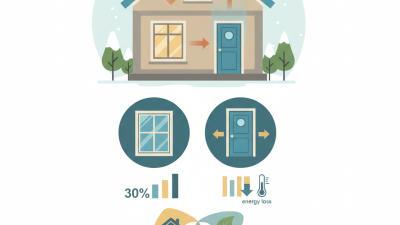
Ottawa’s cold winters make U-factor a practical starting point. Lower values mean slower heat transfer through the window. Natural Resources Canada reports that windows, doors, and skylights can cause up to 35% of household heat loss. The U.S. Department of Energy estimates windows alone contribute 25–30% of residential heating and cooling energy use. These figures explain why basic double glazing can feel uncomfortable near a north-facing wall.

Choose low-emissivity glass with argon-filled cavities for better insulation. Triple glazing usually reduces heat loss further, but it adds weight, cost, and frame depth. I would not select it automatically. Check the whole-unit U-factor, not only the centre-glass value.

A lower solar heat-gain coefficient can limit summer overheating, while a moderate value may capture useful winter sunlight. Ottawa homes need both conditions considered.

Small details matter. Warm-edge spacers can reduce condensation along the glass edge. Insulated frames also help, especially around large openings. The National Fenestration Rating Council identifies U-factor, solar heat-gain coefficient, and air leakage as key performance measures.

On site, however, installation often decides the result. A well-rated window can still leak if the rough opening lacks continuous insulation or the flashing is poorly fitted. I have seen owners overpay for advanced glazing while ignoring a cold, uninsulated sill.

That is an imperfect choice worth questioning. Always compare certified ratings, warranty terms, and installer experience before approving the order.

Measuring Openings and Checking Installation Requirements

How to Choose Windows and Doors in Ottawa?

Measuring Openings and Checking Installation Requirements

Accurate measurements are essential in Ottawa, where freezing temperatures expose small installation errors. Measure each opening at the top, middle, and bottom. Record the smallest width. Then measure height on both sides and in the centre. Check the diagonals, too. Unequal diagonals may indicate a frame that is not square. Measure twice. Do not guess.

Leave the manufacturer’s recommended space around the unit for shims, insulation, and seasonal movement. Existing brick, wood, and masonry openings may need different preparation. Inspect the sill for rot, moisture, and uneven surfaces. A level sill supports proper drainage. Check that the wall is plumb before ordering the window or door. Ottawa homes often need stronger air sealing and insulation around the frame. Local snow, ice, and wind conditions should also influence the installation method. Small details matter.

Tips: Use a rigid tape measure and write measurements immediately. Photograph hidden damage before removal. Confirm the rough-opening dimensions, swing direction, threshold height, and exterior clearance. Ask a qualified installer to verify difficult openings. I have found that early measurements can still miss a bowed wall or concealed moisture. That is frustrating, but a second site inspection prevents expensive corrections. Check local permit requirements when structural changes are involved. Keep the installation instructions available for the entire project.

Evaluating Costs, Warranties, and Local Window Contractors

How to Choose Windows and Doors in Ottawa?

Ottawa’s cold winters make installation quality as important as the window itself. Compare complete project costs, not only the advertised unit price. A realistic quote should include measurement, removal, disposal, flashing, insulation, trim, and finishing work. Ask whether taxes and unexpected frame repairs are included. My early estimates were often too optimistic. Older homes can hide rot around the opening.

A strong local contractor explains the difference between product warranties and installation warranties. Check how long each warranty lasts, who handles service, and which problems are excluded. Condensation, glass seal failure, hardware damage, and improper installation may follow different rules. Request everything in writing. Review the contractor’s insurance, credentials, recent Ottawa projects, and references from homes similar to yours. A rushed quote is a warning sign.

Tips: Get at least three detailed quotes. Give each contractor the same window sizes and performance needs. Ask to see a sample installation before signing. Visit one completed project if possible. During the inspection, look for tight weatherstripping, straight trim, clean caulking, and smooth door operation. Do not choose the lowest price automatically. It may reflect missing labour, weaker materials, or limited after-sales support. Also, leave room in your budget for repairs discovered after removal.

How to Choose Windows and Doors in Ottawa? - Evaluating Costs, Warranties, and Local Window Contractors

Product or Evaluation Area Typical Ottawa Cost (CAD) Recommended Performance Checks Common Warranty Range Typical Installation Time Questions for a Local Contractor
Standard vinyl replacement window $500–$1,200 per window, installed Double or triple glazing, low-emissivity coating, argon gas, insulated frames, and a verified air-leakage rating Product coverage commonly ranges from 10 years to limited lifetime; labour coverage is often 1–10 years Usually 1–3 hours per window, depending on access and repair work Is disposal included? Will the installer repair damaged framing or provide a separate allowance?
Fiberglass replacement window $800–$1,800 per window, installed Look for low heat transfer, durable corner joints, strong frame construction, and glazing suited to Ottawa winters Often 10 years to limited lifetime for major components; confirm whether coverage is transferable About 2–4 hours per window in a standard replacement Does the quote include interior and exterior trim, flashing, foam insulation, and final sealing?
Wood or wood-clad window $1,000–$2,500 per window, installed Check exterior moisture protection, drainage design, glazing performance, and maintenance requirements Commonly 10–20 years for selected components; finishes may have shorter coverage Approximately 3–5 hours per window, with additional time for custom trim What maintenance is required, and how are sill, cladding, and water-management details handled?
Sliding or patio door $2,500–$6,500 per door, installed Use insulated low-emissivity glass, multi-point or secure locking, weatherstripping, and a properly sloped sill Usually 5–20 years, with separate periods for glass, hardware, and installation Generally 4–8 hours, excluding structural changes Will the opening be checked for level, water intrusion, rot, and structural movement?
Exterior entry door $1,500–$4,000 per door, installed Check insulated core, compression weatherstripping, threshold adjustment, low air leakage, and secure hardware Commonly 5–15 years for the door system; finish and hardware coverage may differ Usually 4–8 hours for a standard replacement Are the frame, sill pan, threshold, lockset, casing, and weather-sealing included in the price?
Energy-efficiency documentation Normally included with the quotation Request U-factor, energy rating, solar heat gain information, air-leakage data, and an itemized specification sheet Not applicable; performance ratings are product specifications rather than warranty terms One business day or less when the product documentation is readily available Can you provide the exact model specifications and explain how the proposed glazing suits Ottawa’s climate?
Installation quality Labour is often 20%–40% of the total project cost Confirm shimming, sill support, low-expansion foam, exterior flashing, drainage, and continuous air sealing A separate workmanship warranty commonly ranges from 1–10 years Most standard projects are completed in one day per 5–10 openings Who performs the work, who supervises it, and what written remedy applies to installation leaks?
Contractor credentials and insurance No separate cost to verify before signing Ask for proof of liability insurance, workplace coverage where applicable, permits when required, and relevant local references Not applicable; verify documents before accepting the quotation Allow 1–3 business days for document and reference checks Can you provide current insurance documentation, a written contract, and references for similar Ottawa projects?
Quote comparison Obtain at least 3 comparable written quotes Compare window type, glazing, dimensions, trim, disposal, taxes, permits, structural repairs, and payment schedule Ensure product and labour warranties are stated separately and in writing Quotes commonly take 1–2 weeks for standard projects What conditions could increase the quoted price, and how must extra work be approved?
Ottawa winter scheduling Seasonal pricing and lead times vary Ask how the crew protects the home from cold, snow, wind, and moisture during installation Warranty terms should state whether installation-temperature limits apply Cold-weather work may require shorter opening periods and weather-dependent scheduling What temporary protection is used, and what weather conditions would require rescheduling?

Planning note: The cost figures are typical budgeting ranges in Canadian dollars for replacement projects in Ottawa. Actual prices vary according to opening size, quantity, glazing, materials, access, structural repairs, interior finishes, taxes, and installation complexity. Request a detailed written quote before making a decision.

Request Your FREE Quote