How to Choose the Best Sliding Door for Your Home?
Choosing the right Sliding Door for your home involves careful consideration. In recent studies, over 75% of homeowners prioritize functionality and aesthetics when selecting sliding doors. Industry expert James Larson states, "The right sliding door can redefine your living space and improve energy efficiency."
A sliding door not only enhances accessibility but also floods your home with natural light. However, many overlook factors like insulation and material quality. More than half of homeowners report dissatisfaction with their door choice after installation. This emphasizes the need for informed decision-making.
It's essential to evaluate various options thoroughly. Consider elements like durability, design, and security features. Brands with a proven track record often provide reliable warranties and customer service. Exploring reviews and professional recommendations can guide you toward the best choice for your unique needs.
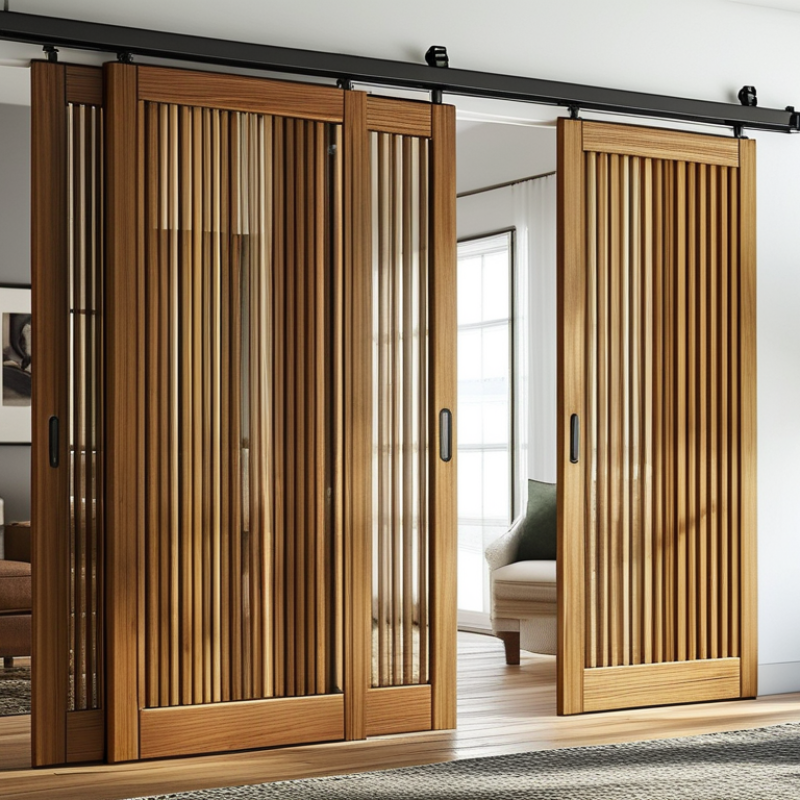
Types of Sliding Doors: Pros and Cons for Home Installation
When selecting the ideal sliding door for your home, understanding the different types is crucial. Each type carries its own pros and cons.
Glass sliding doors are a popular choice. They offer a sleek appearance and promote natural light. However, they may require frequent cleaning and could be less energy-efficient. A report from the National Association of Home Builders indicates that homeowners prefer solar control glass, which provides better insulation.
In contrast, vinyl sliding doors offer durability. They are often low maintenance and resistant to the elements. Yet, potential buyers should note that color options can be limited. Research shows that over 40% of homeowners prioritize aesthetics, which might make vinyl less appealing despite its practicality.
Tip: Always consider the climate in your region. Certain materials perform better under specific weather conditions. Taking this into account can enhance your door’s lifespan.
Another option is wooden sliding doors. They deliver a classic look and can easily blend with various home styles. Yet, wood can warp over time if not properly maintained. The cost of upkeep could outweigh the initial investment for some homeowners.
Tip: Think about your long-term plans. If you foresee changes in your lifestyle, choose a door style that adapts well over time.
Key Materials for Sliding Doors: Durability and Insulation Factors
When choosing a sliding door, the materials used play a vital role. Wood, aluminum, and vinyl are popular options. Each material has its unique pros and cons. Wood provides warmth and charm. However, it needs consistent maintenance and care, especially in humid areas. Aluminum is sturdy and requires less upkeep, but it can conduct heat. Insulation becomes a concern in extreme temperatures.
Vinyl doors offer excellent insulation. They resist moisture and are energy-efficient. Their durability makes them a popular choice among homeowners. However, extreme sun exposure can impact their color over time. Understanding these materials helps in making well-informed decisions. Reflect on your home’s design and environmental factors before choosing. Consider not just aesthetics but also long-term functionality. It’s important to strike a balance between beauty and practicality.
Choosing the Right Size: Measurements and Space Considerations
When selecting a sliding door for your home, size is crucial. Accurate measurements will ensure a perfect fit. Start by measuring the height and width of the opening where the door will be installed. Consider the surrounding space, too. Enough clearance is vital for smooth operation. If the door slides into a wall, check that the wall isn’t obstructed.
Sometimes, the perfect spot may not have enough room. When doors are too large for a space, they can obstruct movement. On the other hand, a door that’s too small may lack visual appeal. Keep in mind the overall aesthetic of your home. A miscalculated size could lead to regrets later on.
Think about the flow of your living area. Open spaces may benefit from larger doors. In contrast, tighter spaces call for more compact designs. The goal is to enhance accessibility while maintaining style. Always double-check your measurements before making a decision. Small errors can create significant issues in installation.
Energy Efficiency Ratings: Understanding U-Factor and SHGC in Doors
When selecting sliding doors, energy efficiency is crucial. Understanding key ratings like U-Factor and Solar Heat Gain Coefficient (SHGC) is vital for your decision. The U-Factor measures the amount of heat transfer through the door. Lower values indicate better insulation. In colder climates, a door with a U-Factor of 0.25 or lower can significantly reduce energy costs.
On the other hand, SHGC measures how much solar radiation passes through the door. A higher SHGC means more heat enters your home. If you live in a sunny area, consider a door with a lower SHGC to minimize cooling costs. Homeowners should reflect on their local climate. Are summer days too hot? You might need a lower SHGC. In contrast, a higher SHGC can be beneficial in colder regions, allowing for passive solar heating.
Choosing the right door requires a balance between these factors. It’s easy to overlook the importance of these ratings. Many homeowners prioritize aesthetics over efficiency, which can lead to increased energy bills. Take your time to evaluate your options. Think about how each rating aligns with your home's needs and your lifestyle. Improving your home's energy efficiency through thoughtful selections can make a notable difference.
Understanding Energy Efficiency Ratings in Sliding Doors
Maintenance Tips: Ensuring Longevity and Performance of Sliding Doors
Maintaining sliding doors is essential for peak performance and longevity. Regular care can prevent bigger issues down the line. One crucial tip is to keep the tracks clean. Dust and debris can accumulate, making it hard for the door to slide. Use a vacuum or a damp cloth to remove these blockages. This simple step can enhance the door's movement.
Another maintenance tip involves checking the rollers. Over time, they can wear out or become misaligned. Regularly inspect them for any signs of damage. If you notice any issues, consider replacing them promptly. Doing so can prevent more serious problems that might arise later.
Lubrication is also vital. A silicone-based lubricant can help the door glide smoothly. Be careful not to over-apply, as excess lubricant can attract more dirt. It’s easy to overlook these details, but they play a significant role in maintaining the door's lifespan.