Choosing the best sliding back door in 2026 requires more than comparing glass sizes and showroom prices. A dependable door should move quietly, seal tightly, and remain stable through years of temperature changes. It also needs to suit the wall structure, floor level, drainage, and daily habits of the household.
Mike Holmes, a Canadian contractor and renovation expert, often uses the principle, “Make it right.” That advice matters here. A beautiful sliding back door can still fail when installers ignore flashing, threshold height, or the frame’s load requirements. Small gaps near the sill may invite drafts. Poor rollers may create a grinding sound every morning. These details are easy to overlook.
There is no perfect model for every property. A coastal home may need corrosion-resistant hardware. A high-traffic family room may benefit from stronger rollers and laminated safety glass. Narrow openings may require a two-panel design, while wider walls can support multi-slide systems. Energy ratings, lock quality, insect screens, cleaning access, and replacement-part availability deserve equal attention.
The weakest choice is often the cheapest one.
This guide examines the practical differences between materials, glass packages, opening systems, security features, and professional installation. It also considers mistakes buyers commonly make, including measuring finished openings too early and trusting marketing claims without checking performance data. Some recommendations may feel less glamorous than oversized glass, but they can protect comfort and repair budgets. A sliding back door should look refined. More importantly, it should keep working when the weather turns harsh and everyday use becomes demanding.
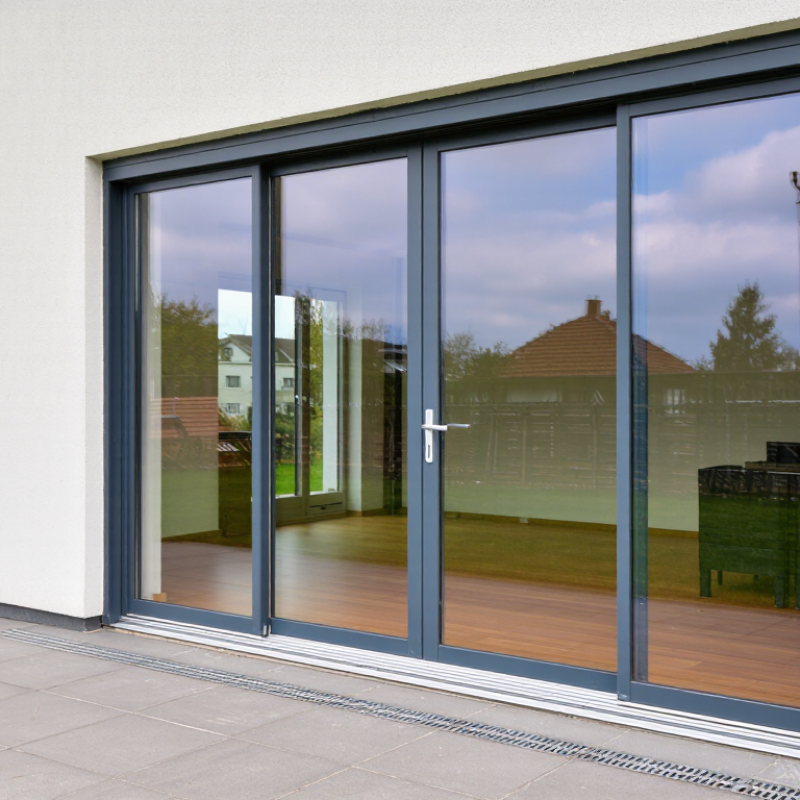
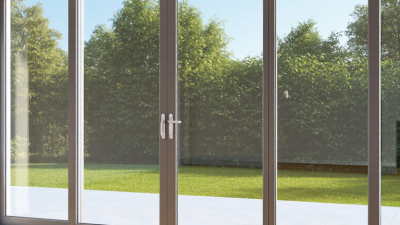
A sliding back door is a large exterior door that opens horizontally along a track. Instead of swinging into a room, one panel moves beside another panel. Most systems use rollers beneath the moving panel, while the upper frame keeps it aligned. The rollers carry the weight, and the track guides each movement. Push gently. It should glide without scraping, shaking, or needing force.
In practical inspections, I check the track before judging the door itself. Dust, small stones, and worn rollers can make a good door feel faulty. The frame should sit level, with even gaps around the panels. Weather seals press against the edges and help reduce drafts, rain, and outdoor noise.
Double-pane glass can improve insulation, but its performance depends on the frame, installation, and local climate. I once overlooked drainage openings during a renovation. Water later collected near the sill. That mistake changed how I assess exterior doors.
When choosing a sliding back door in 2026, examine the roller material, locking points, glass rating, and repair access. A low threshold may look convenient, yet it can require better drainage design. A multi-point lock may improve resistance to forced entry, but only when the frame is firmly installed. Check whether replacement rollers and seals are commonly available. The smoothest showroom sample may not represent daily use. Open the panel several times. Listen for clicking, flexing, or uneven contact. Expect some compromise between glass area, insulation, weight, and maintenance.
Choosing a sliding back door starts with your home’s climate, wall opening, and daily use. The U.S. Department of Energy reports that windows can cause 25–30% of residential heating and cooling energy use. A poorly sealed sliding door may add to that loss. Look for low-emissivity glazing, insulated frames, and durable weather seals.
Material matters. Thermally broken aluminum offers slim sightlines and strong resistance to warping, but it can feel cold without proper insulation. uPVC usually provides better thermal performance at a lower cost, though wide panels may look less refined. Fiberglass resists moisture and temperature changes. Wood feels warm and authentic, but it needs regular finishing. NFRC labels help compare U-factor, solar heat gain coefficient, and air leakage instead of relying on appearance alone. The label is useful. It is not magic.
Design should match movement through the room. A two-panel door suits smaller openings, while a three-panel system creates a wider connection to a patio. Consider a low threshold, smooth rollers, and a secure multi-point lock. In hot climates, lower solar heat gain can reduce afternoon glare. In cold climates, prioritize lower U-factor values. Energy Star and DOE guidance support climate-based window selection, but local exposure still matters.
Tips: Stand inside during late afternoon. Watch the glass, floor, and handle temperature. Check drainage tracks after rain. I would also leave space for curtains or shades; many beautiful installations become awkward later. When uncertain, ask an installer to measure air leakage and structural deflection before ordering.
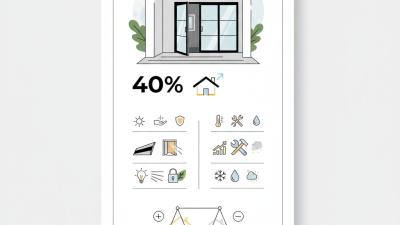
Choosing the best sliding back door in 2026 requires more than checking its appearance. Energy efficiency should be measured through U-value, air leakage, and solar heat gain. A lower U-value usually means better insulation. However, one number can mislead. Examine the entire system, including the frame, glass, seals, and installation method. Low-emissivity glass can reduce winter heat loss, while quality weatherstripping helps prevent cold drafts around the moving panel.
Security depends on several connected details. Look for laminated or reinforced glass, a strong frame, anti-lift devices, and a multi-point locking system. The lock should engage smoothly, without forcing the handle. Durability also matters in daily use. Stainless or corrosion-resistant rollers, protected tracks, and drainage channels can reduce sticking after rain. Independent laboratory reports are more reliable than vague claims. Still, even excellent hardware may perform poorly if the opening is measured incorrectly.
Tips: Compare tested performance, not advertising language. Visit a showroom and slide the door several times. Listen for grinding. Check whether the panel moves evenly and closes tightly. Ask about replacement seals, roller access, and installation responsibility. A long warranty sounds reassuring, but read its exclusions carefully. I would also inspect the threshold height, especially in homes with heavy rain or frequent foot traffic. Small details often decide whether the door feels secure five years later.
Choosing the best sliding back door in 2026 starts with accurate measurements. Measure the opening at the top, middle, and bottom, because walls are rarely perfectly square. Record width, height, sill depth, and the available wall space beside the opening. A 2,400 mm opening may need a two-panel system, but panel overlap can reduce the clear passage. Allow room for handles, curtains, furniture, and safe operation. Measure twice.
Your opening style should match daily movement. A two-panel slider suits compact rooms and provides a simple, balanced layout. A four-panel system creates a wider passage, but it needs stronger framing and more wall clearance. A pocket-style opening saves visible wall space, although repairs become harder after installation. Consider where rain lands, how sunlight enters, and whether people will carry furniture through the doorway. I once underestimated handle clearance; the door worked, but the nearby cabinet became inconvenient.
The track system affects comfort, drainage, and long-term reliability. Top-hung tracks offer a clean sill and reduce dirt accumulation, but the upper structure must support the door weight. Bottom-rolling tracks can handle heavy panels, provided the rollers remain protected and adjustable. Choose a sill with effective drainage, a stable guide, and an anti-lift feature. Track quality matters. Ask the installer how rollers are replaced and how water exits after heavy rain. A quiet test movement is useful, but it does not replace checking alignment, seals, and fastening points.
Choosing the best sliding back door in 2026 requires more than comparing frame styles or glass sizes. Installation quality affects security, insulation, and daily operation. Ask whether the wall needs structural reinforcement before work begins. An experienced installer should check floor level, opening measurements, drainage, and weather sealing. Even a small measurement error can cause dragging or air leaks. That happened on one renovation project I observed. The door looked excellent, but the uneven threshold created problems within weeks.
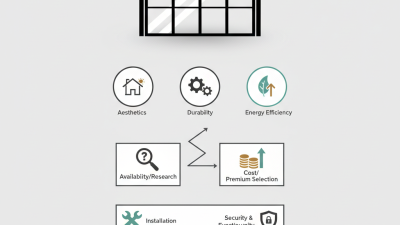
Maintenance and total cost deserve equal attention. Look for accessible rollers, replaceable seals, durable tracks, and clear cleaning instructions. A door that needs special tools may increase service expenses later. Include delivery, installation, trim work, repairs, energy use, and possible glass replacement in your estimate. Low-cost hardware may appear attractive, yet frequent adjustments can make it expensive. Still, premium materials are not automatically better. Some require more careful cleaning than homeowners expect.
Tips: Test the door several times before accepting the installation. Listen for grinding sounds. Check the lock from both sides. Run a hand around the closed frame to feel for drafts. Request a written maintenance schedule and warranty terms. Keep photographs of the finished threshold and drainage details. These records can help when a problem appears months later.
| Door Type | Typical Product Cost (USD) |
Typical Installation Cost (USD) |
Installation Time | Typical U-Factor | Typical SHGC | Expected Service Life | Annual Maintenance Cost | Estimated 10-Year Cost (Product + Installation + Maintenance) |
Best Use Case |
|---|---|---|---|---|---|---|---|---|---|
| Vinyl Sliding Door | $2,500–$5,000 | $1,000–$2,500 | 8–16 labor hours | 0.25–0.32 | 0.25–0.40 | 20–30 years | $50–$120 | $4,000–$8,700 | Lowest initial cost and low routine maintenance |
| Thermally Broken Aluminum Door | $3,000–$6,000 | $1,200–$2,800 | 12–24 labor hours | 0.30–0.45 | 0.25–0.50 | 25–40 years | $75–$180 | $4,950–$10,600 | Large openings, narrow frames, and contemporary designs |
| Wood-Clad Sliding Door | $5,000–$10,000 | $1,500–$3,500 | 16–32 labor hours | 0.25–0.35 | 0.25–0.45 | 25–40 years with regular refinishing | $150–$400 | $8,000–$17,500 | High-end appearance and interior wood finishes |
| Fiberglass or Composite Door | $4,500–$9,000 | $1,300–$3,000 | 12–24 labor hours | 0.24–0.32 | 0.25–0.45 | 30–50 years | $50–$150 | $6,300–$13,500 | Balanced durability, energy efficiency, and maintenance |