
How to Choose Smoke Shop Shelves for Global Retail in 2026?
Choosing smoke shop shelves for global retail in 2026 requires more than comparing prices and finishes. Store fixtures must support lawful, age-restricted retail environments without encouraging prohibited products. They should also protect merchandise, guide customer movement, and make compliance checks practical. A 900-millimeter shelf bay, adjustable brackets, and clear sightlines can improve daily handling. Small details matter.
Deloitte’s 2025 Global Powers of Retailing identifies cost pressure, technology adoption, and changing consumer expectations as major retail challenges. These pressures make flexible shelving valuable across different markets. Kearney’s 2024 Global Retail Development Index also shows why expansion decisions need local research, not assumptions. Store formats, labor costs, building codes, and shopping habits vary widely. One design will not fit every country.
The best smoke shop shelves combine durable materials with controlled presentation. Powder-coated steel, tempered glass, lockable storage, and rounded edges can support safer operations. Adjustable heights help retailers display compliant products in different package sizes. Integrated lighting may improve visibility, but excessive brightness can create glare. That mistake is easy to make.
Retailers should also consider barcode scanning, inventory visibility, accessibility, fire safety, and local labeling rules. The National Retail Federation’s 2025 retail outlook emphasizes efficiency and customer experience in a pressured market. This supports a practical approach: test one fixture section before a full rollout. Measure replenishment time, damaged packaging, customer flow, and staff feedback. Numbers help, but they are not perfect. A shelf that looks impressive in a showroom may fail during a busy weekend. The following guide examines materials, layouts, security, sustainability, and regional adaptation for more reliable global retail decisions.
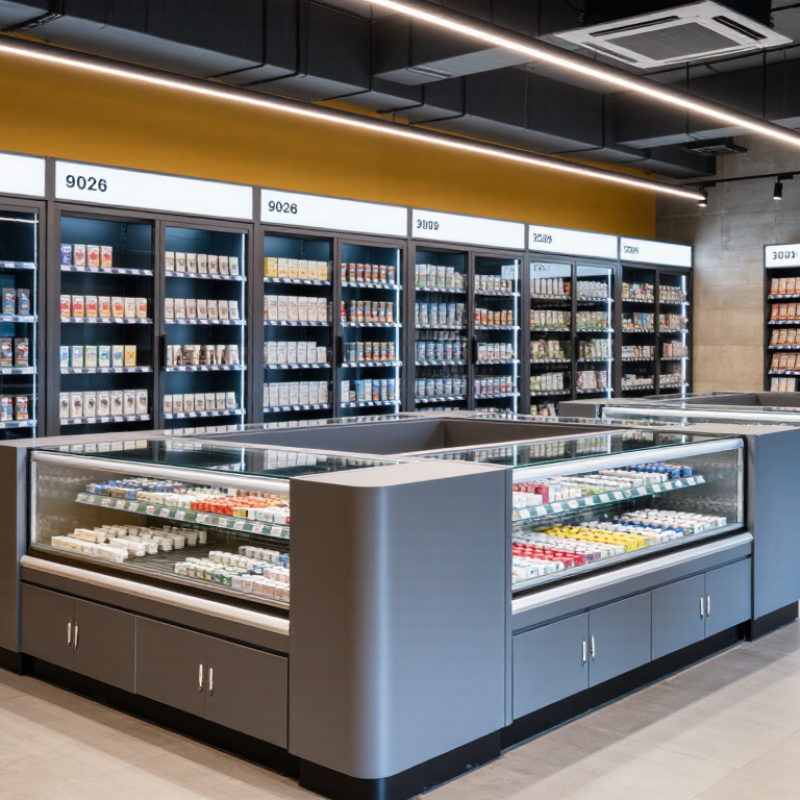
Defining Smoke Shop Shelf Requirements for Global Retail in 2026
Defining smoke shop shelf requirements starts with the store environment, not a catalog image. Global shops face different floor plans, climates, languages, and retail rules. Measure wall height, aisle width, counter depth, and available power before selecting fixtures. Humidity matters. Powder-coated metal, sealed wood, and shatter-resistant panels can reduce wear in busy locations. Yet every material needs local fire and safety review. That step is easy to overlook.
A useful specification should define shelf dimensions, load capacity, adjustability, lighting, security, and cleaning needs. Adjustable shelves support different package sizes without creating unused gaps. Clear sightlines help staff monitor products and maintain orderly browsing. Lockable storage may be appropriate for regulated adult merchandise, depending on local requirements. Lighting should improve visibility without heating sensitive items or causing glare. Accessible shelf heights can support more customers, but layouts still need staff oversight. Do not assume one design fits every market. Pilot one location first. Review the result.
Tips: Create a requirement sheet before requesting quotations. Include material thickness, finish, maximum load, installation method, and replacement-part availability. Ask suppliers for test reports and clear maintenance instructions. Request material samples, because online colors can be misleading. Compare packed dimensions and shipping weight for international delivery. Document cleaning routines and inspect shelves after several weeks. Some choices will need revision. That is useful evidence, not failure.
Defining Smoke Shop Shelf Requirements for Global Retail in 2026
| Shelf Format | Typical Dimensions (W × D × H) | Recommended Shelves | Indicative Load per Shelf | Recommended Materials | Adjustment & Installation | Product Visibility & Security | Global Retail Considerations | Suitable Product Uses |
|---|---|---|---|---|---|---|---|---|
| Adjustable Wall-Mounted Shelving | 900–1200 × 250–350 × 1800–2400 mm 35–47 × 10–14 × 71–94 in | 4–6 shelves | 20–35 kg 44–77 lb | Powder-coated steel uprights, laminated wood or tempered-glass shelves | Vertical rail or bracket adjustment; must be fixed to suitable wall structure | Open presentation with good visibility; optional locking shelf lips or transparent doors | Efficient use of wall space; verify wall fixing, seismic requirements, and local accessibility rules | Packaged accessories, glassware, empty display packaging, non-regulated merchandise, and educational materials |
| Double-Sided Gondola Unit | 900–1200 × 700–1000 × 1200–1500 mm 35–47 × 28–39 × 47–59 in | 4–5 shelves per side | 30–60 kg 66–132 lb | Powder-coated steel frame with steel, wood-effect, or laminate shelves | Freestanding; adjustable brackets commonly use a regular slot system | High product capacity and two-sided merchandising; add end panels or lockable modules where required | Plan aisle widths for customer flow, mobility access, emergency egress, and local fire-safety rules | High-volume packaged goods, accessories, cleaning supplies, and general lifestyle merchandise |
| Lockable Glass Display Cabinet | 800–1200 × 400–500 × 900–1200 mm 31–47 × 16–20 × 35–47 in | 3–5 shelves | 15–30 kg 33–66 lb | Tempered safety glass, powder-coated steel, aluminum, or laminated board | Freestanding or counter-height; shelves may be height-adjustable | Excellent visibility with controlled access; use keyed, mechanical, or electronic locks | Use safety glazing where required; confirm lock, electrical, and data-privacy requirements for connected displays | Small high-value accessories, age-restricted products, fragile items, and products requiring staff assistance |
| Floor-to-Ceiling Display Wall | 1200–2400 × 300–450 × 2200–3000 mm 47–94 × 12–18 × 87–118 in | 5–8 shelves | 25–45 kg 55–99 lb | Steel framework with laminate, compact laminate, solid-surface, or tempered-glass shelves | Modular bay construction; requires professional anchoring and accurate site measurement | Strong visual impact and high capacity; integrate lockable bays for controlled products | Allow for ceiling height variation, sprinkler clearance, ventilation, anti-tip protection, and local installation codes | Back-wall merchandising, category blocking, educational displays, and coordinated accessory collections |
| Slatwall Display System | 600–1200 × 250–350 × 1800–2400 mm 24–47 × 10–14 × 71–94 in | 3–6 shelves or hooks | 10–25 kg 22–55 lb | Melamine, laminate, aluminum inserts, steel brackets, and tempered glass | Highly flexible; shelves, hooks, baskets, and signage can be repositioned | Good flexibility and browsing visibility; add lockable glass modules for small high-value goods | Confirm panel thickness, bracket spacing, fastener compatibility, and maximum distributed load | Hanging accessories, packaged items, point-of-sale education, and seasonal merchandise |
| Countertop Merchandising Unit | 400–900 × 200–350 × 250–600 mm 16–35 × 8–14 × 10–24 in | 2–4 tiers | 5–15 kg 11–33 lb | Acrylic, powder-coated steel, wood laminate, or tempered glass | Portable and easy to reposition; should include a stable, non-slip base | Places products close to the point of service; transparent covers can restrict unauthorized handling | Keep transaction surfaces clear; consider language-neutral signage and local age-verification procedures | Small accessories, impulse merchandise, care products, literature, and staff-led product information |
| Heavy-Duty Stockroom Shelving | 900–1800 × 450–600 × 1800–2400 mm 35–71 × 18–24 × 71–94 in | 4–6 levels | 100–250 kg 220–551 lb | Bolted or rivetless steel frames with steel or wire-deck shelves | Adjustable beam or shelf levels; anchor where required by the manufacturer or local code | Designed for storage rather than customer presentation; use labeled bins and controlled access | Check floor loading, corrosion protection, seismic anchoring, aisle clearance, and workplace safety rules | Cartons, replenishment stock, packaging materials, cleaning supplies, and reserve inventory |
| Mobile Display Cart | 600–1000 × 400–600 × 900–1200 mm 24–39 × 16–24 × 35–47 in | 2–4 shelves | 15–40 kg 33–88 lb | Powder-coated steel, laminate, solid wood, and lockable commercial casters | Movable configuration; use braked casters and anti-tip design | Flexible seasonal presentation; lockable drawers or cabinets improve control after trading hours | Ensure the cart does not reduce accessible routes, emergency exits, or required aisle widths | Seasonal campaigns, promotional collections, queue-line merchandising, and temporary displays |