How to Choose the Right Single Pane Windows for Your Home?
When selecting single pane windows for your home, various factors must be considered. Single pane windows offer a classic look, but they may not provide optimal insulation. According to a recent report from the U.S. Department of Energy, homes with single pane windows can lose up to 10-20% of their heating and cooling energy. This statistic is critical for homeowners looking to enhance energy efficiency.
In some cases, homeowners might think single pane windows are suitable due to their lower initial costs. However, the long-term energy bills may be much higher. Data from Energy Star indicates that replacing single pane windows can save homeowners between $126 to $465 annually, depending on location and energy rates. This reflects the importance of analyzing potential savings before making a decision.
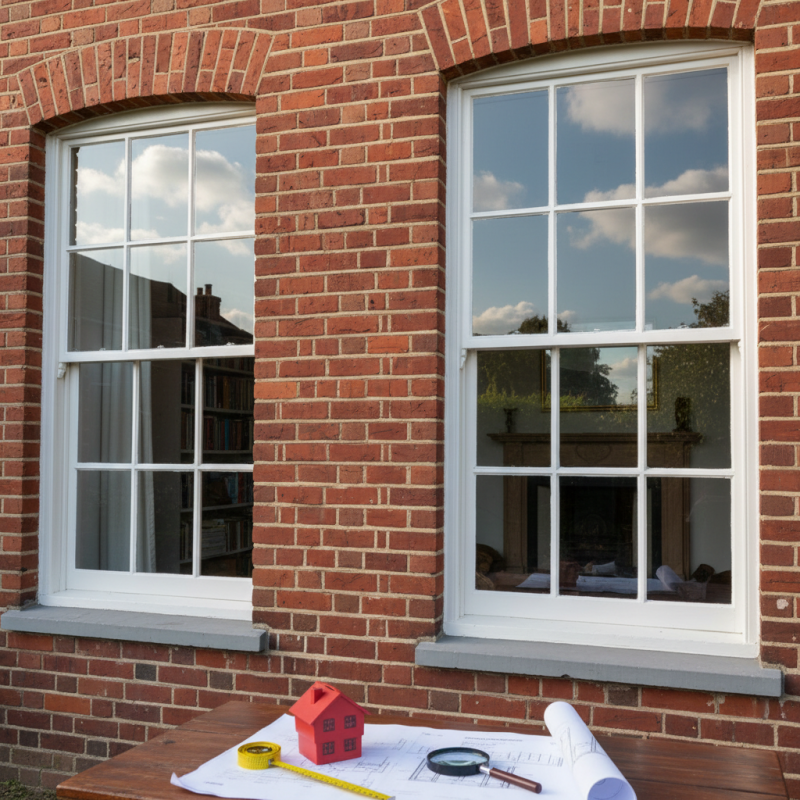
Considering the style and function of single pane windows is essential. They can complement historical homes beautifully. However, they might not withstand extreme weather conditions. Weighing the aesthetics against practicality is vital. Each home is unique, and one size does not fit all. Reflecting on what single pane windows can offer will lead to a wiser choice.
Understanding the Basics of Single Pane Windows
Single pane windows are a common choice for many homeowners. They consist of one layer of glass, making them simpler in construction. However, this simplicity can lead to various issues, particularly with insulation and energy efficiency. In colder climates, single pane windows can result in heat loss. This may lead to increased energy bills and discomfort indoors.
Understanding the basic features of single pane windows is crucial. They are often less expensive initially, but their lack of insulation may cause long-term costs. Homeowners should consider the climate in their area before making a decision. Drafty winter winds can make a home feel chilly. Clear visibility is a positive aspect, but are you prepared for the drawbacks?
Single pane windows can also be more prone to condensation and damage. This might lead to moisture issues, which can affect indoor air quality. Regular maintenance is essential. Inspecting seals and frames can prevent future problems. These windows may work in certain scenarios, but it's crucial to weigh the pros and cons carefully.
Evaluating Energy Efficiency in Single Pane Windows
When selecting single pane windows for your home, energy efficiency is a critical factor. Reports show that single pane windows typically provide a U-factor of 1.0 or higher. This measurement indicates how well a window can insulate. For comparison, double-pane windows average around 0.30 to 0.50. The difference can lead to considerable energy loss. Homes with single pane windows may see increased heating and cooling costs.
Another important aspect is the Solar Heat Gain Coefficient (SHGC). For single pane models, SHGC values vary. Some can be as high as 0.90, allowing more solar heat into your home. While this can be beneficial in colder climates, it may lead to excessive cooling needs in warmer areas. Assessing your local climate and energy needs is essential.
Lastly, consider the materials used in the window frame. Wood frames might offer better insulation than aluminum, but they require maintenance. The reality is, not all single pane windows are created equal. Finding the right balance in design, efficiency, and cost often requires careful evaluation. Reflecting on personal needs can guide you to a more informed choice.
Material Options for Single Pane Windows: Pros and Cons
Choosing the right material for single pane windows can significantly impact your home. Common options include wood, vinyl, aluminum, and fiberglass. Each material has its unique qualities.
Wood is aesthetically pleasing. It offers excellent insulation. However, it requires maintenance. Regular painting or sealing is essential to prevent rot. In humid areas, wood might not be the best choice.
Vinyl windows are durable and energy-efficient. They resist fading and require minimal upkeep. On the downside, they may not offer the same visual appeal as wood. Also, extreme temperatures can cause them to warp.
Aluminum is lightweight and strong. It’s resistant to corrosion. However, aluminum conducts heat, which can lead to higher energy bills. It’s a trade-off between strength and insulation.
Fiberglass provides excellent insulation and durability. It is resistant to warping and fading. However, it tends to be more expensive than other options.
Tips: Always consider your local climate. This will affect the longevity of your windows. Seek advice from professionals when making your choice. Home value and aesthetics are important too.
Think about the long-term implications of your material choice. Durability? Aesthetics? Budget? Reflect on what matters most to you and your home.
How to Choose the Right Single Pane Windows for Your Home? - Material Options for Single Pane Windows: Pros and Cons
| Material |
Pros |
Cons |
Estimated Cost (Per Window) |
| Vinyl |
Affordable, Low maintenance, Good insulation |
Limited color options, May warp in extreme heat |
$150 - $300 |
| Aluminum |
Durable, Lightweight, Modern look |
Poor thermal insulation, Can condensate in cold weather |
$200 - $350 |
| Wood |
Natural aesthetic, Great insulation |
High maintenance, Susceptible to rot and pests |
$300 - $500 |
| Fiberglass |
Strong, Energy-efficient, Low maintenance |
Higher upfront cost, Limited color choices |
$500 - $800 |
Selecting the Right Style and Design for Your Home
Choosing the right style and design of single pane windows is crucial for your home. Start by considering the architecture of your house.
Traditional homes often look best with classic designs. Think of details like grilles or wooden frames.
Contemporary homes may benefit from sleek, minimalist styles that enhance their modern appeal.
Color and finish are important too. Choosing a color that complements your home’s exterior can make a big difference. Neutral colors often blend well, while
bold colors can create a statement. You should also reflect on the fit. Windows should not overpower the house but should appear
harmonious. Pay attention to size, as oversized windows can disrupt balance. A little imperfection in fit can lead to drafts.
Lastly, think about functionality. Some window styles provide better ventilation than others. Consider your climate. Closed designs may offer privacy but can limit airflow.
Evaluate how each style enhances not just the look but also the comfort of your living space. Reflect on your choices; sometimes the right window is not the most popular one.
Installation Tips for Optimal Performance of Single Pane Windows
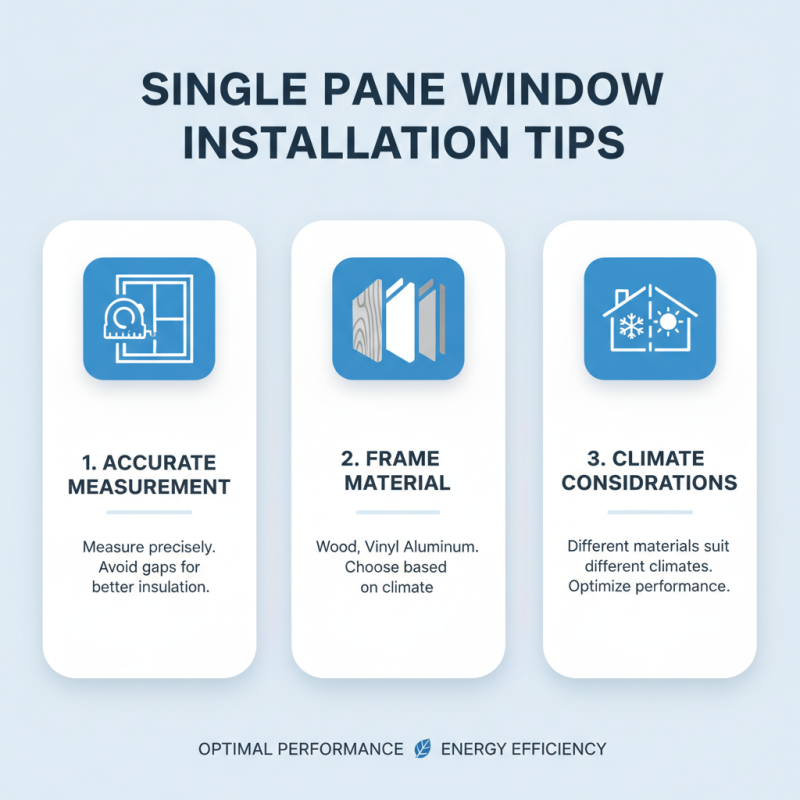
When installing single pane windows, attention to detail is essential. Measure each window opening accurately. A small mistake can lead to gaps and poor insulation. Consider the frame material too. Wood, vinyl, and aluminum all have different properties. Choose the one that suits your climate best.
Before installation, prepare the opening well. Clean debris and old caulking. This ensures a snug fit. During installation, check for level and plumb regularly. Use shims where necessary. A window that isn’t level may cause leaks. Seal the edges with quality caulk. Pay attention to the corners. They often need extra protection.
After installation, inspect the windows. Look for any signs of air leaks or gaps. A good seal is crucial for energy efficiency. Don’t hesitate to make adjustments if needed. It's better to correct issues now. This can prevent larger problems down the road. Proper installation enhances the lifespan of your windows. Enjoy the view without worries of drafts!