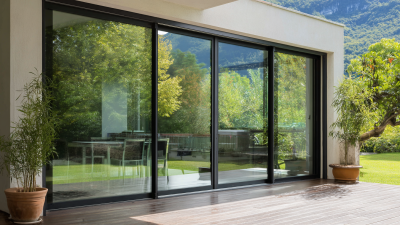
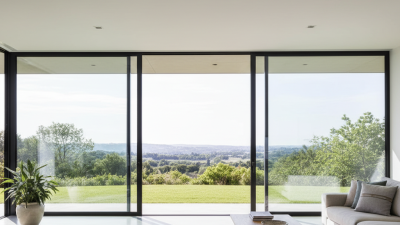
How to Choose the Best Sliding Glass Doors for Your Home?
When considering home renovations, sliding glass doors stand out for their elegance and functionality. In a recent report by the American Institute of Architects, over 70% of homeowners rated sliding glass doors as a desirable feature. These doors seamlessly connect indoor and outdoor spaces, enhancing natural light and accessibility. Homes with sliding glass doors can boost property value, appealing to potential buyers.
Selecting the right sliding glass doors requires careful thought. Not all options provide the same energy efficiency, safety, or aesthetic appeal. A study from the Association of Energy Engineers indicates that high-performance sliding doors can reduce energy loss by nearly 50%. This not only lowers utility bills but also contributes to a home's overall sustainability.
However, the process is not without its challenges. Poor installation can lead to issues, such as air leakage and water infiltration. Many homeowners underestimate the importance of professional expertise in this area. As you explore your options, consider your needs, preferences, and the long-term benefits that high-quality sliding glass doors offer.
Understanding the Different Types of Sliding Glass Doors Available
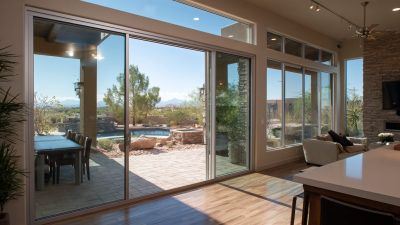
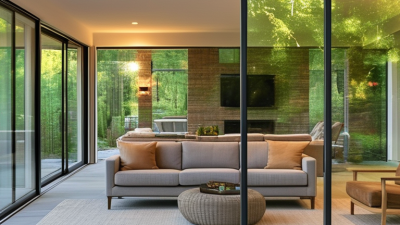
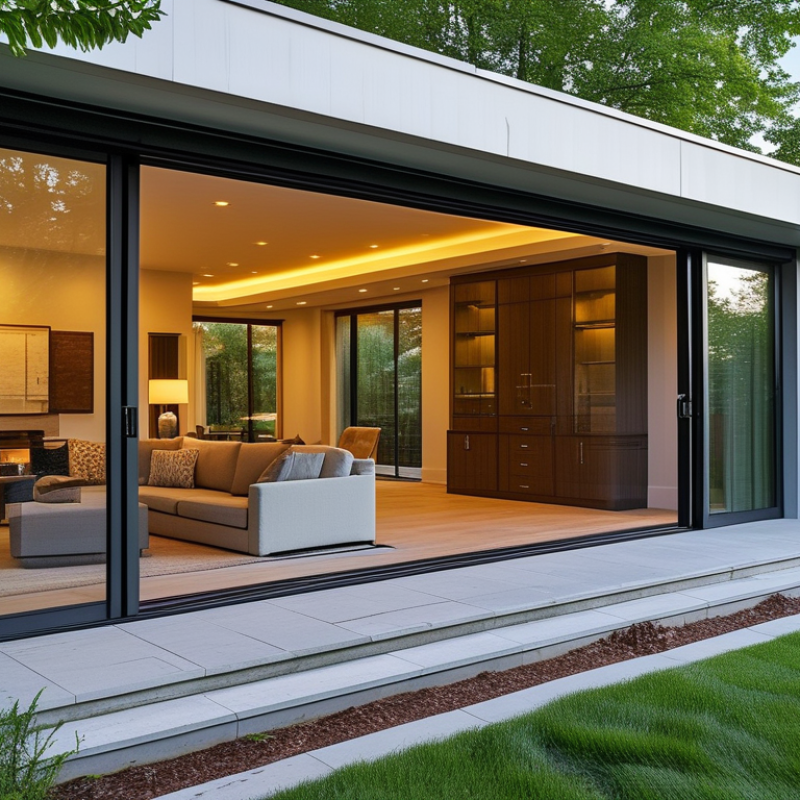
When choosing sliding glass doors, understanding the various types available is crucial. There are two main categories: traditional sliding doors and multi-slide doors. Traditional sliding doors consist of two panels. One panel moves to open, while the other remains fixed. They are great for a classic look and function well in smaller spaces. Multi-slide doors, on the other hand, allow for several panels to glide open, creating a wide entry. This style is ideal for larger openings and maximizes the view.
Material choice also plays a significant role. Sliding doors come in vinyl, wood, and aluminum. Vinyl doors are low maintenance and energy-efficient. Wooden doors provide warmth but require regular upkeep. Aluminum doors are durable and perfect for modern aesthetics. Each material has unique benefits and drawbacks. Finding the right one demands careful thought about your lifestyle and climate.
Lastly, consider the glass options. Tempered glass offers safety and strength. Low-E glass helps with energy efficiency, reflecting heat in summer and keeping warmth in during winter. Yet, not everyone may consider the long-term impacts on energy bills. Evaluating these factors can be complex but helps ensure that your investment will meet your needs effectively.
Key Factors to Consider When Choosing Sliding Glass Doors
When choosing sliding glass doors, several key factors come into play. First, consider the material. Vinyl, wood, and aluminum are common options. Vinyl offers durability and low maintenance. Wood brings warmth and natural beauty but requires more upkeep. Aluminum is lightweight but might conduct heat or cold.
Next, think about energy efficiency. Look for doors with double or triple glazing. Low-E coatings can also reduce energy costs. This might be vital if you live in extreme climates. Check the U-value; a lower number indicates better insulation. Security features should not be overlooked either. Multi-point locking systems provide added peace of mind.
Don’t forget the size and style. Measure your space accurately to avoid installation issues. The design should complement your home’s aesthetic. Large panels create a seamless transition to the outdoors, but they may need more support. Reflect on how you plan to use the space. Will they be a primary entryway, or just for light? Each choice impacts not only functionality but also your home’s overall feel.
Assessing Energy Efficiency Ratings for Sliding Glass Doors
When choosing sliding glass doors for your home, energy efficiency ratings are crucial. These ratings indicate how well the door can keep heat in during winter and out during summer. Look for doors that have a low U-value. This value measures thermal transmittance. Lower numbers mean better insulation. Energy Star certification is another useful benchmark to consider. It symbolizes that the door meets strict energy efficiency guidelines.
Understand that different materials offer varying energy efficiency. Vinyl and fiberglass frames typically provide better insulation than aluminum. However, they may have different aesthetic appeals. Seek doors with double or triple glazing. These designs add layers of insulation. While they can have a higher upfront cost, the long-term savings on energy bills often make them worthwhile.
There is also the issue of installation. Poorly installed doors can lead to drafts and increased energy costs. It’s essential to ensure professional installation. Understand your local climate too. A door that performs well in one region may not suit another. Reflect on your home's orientation and sun exposure. This insight can guide your decision more effectively.
Selecting the Right Material for Durability and Aesthetic Appeal
When selecting sliding glass doors for your home, the choice of material is crucial. Various materials offer different levels of durability and aesthetic appeal. Aluminum is popular for its strength and resistance to corrosion. It is lightweight and requires minimal maintenance. However, its thermal efficiency falls short compared to other materials.
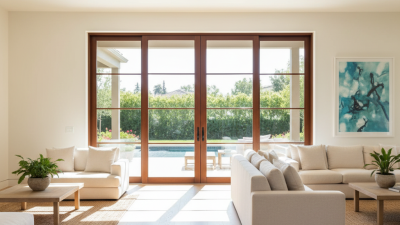
Vinyl is another viable option. It is energy-efficient and offers good insulation. This material is also resistant to fading and can withstand harsh weather conditions. The downside is the limited color options compared to aluminum or wood. Wood exudes warmth and elegance, ideal for traditional settings. Yet, it demands regular upkeep to prevent issues like rot and warping.
Consider the long-term impact of your choice. The wrong material could lead to wear and tear faster than expected. Evaluate your local climate, as this affects durability. Think about personal preferences for style versus longevity. That balance is essential. Investing in quality materials can enhance both the beauty and functionality of your space immensely.
Installation and Maintenance Tips for Sliding Glass Doors
When selecting sliding glass doors for your home, proper installation is crucial. Start by ensuring the door frame is level and square. This will prevent issues with opening and closing. Use shims to adjust the frame as needed. Having a second person can help align the doors during installation. Sealing gaps with weatherstripping is important. It enhances energy efficiency and keeps out drafts.
Cleaning and maintenance are also key for longevity. A simple routine can go a long way. Regularly check the tracks for dirt and debris. Use a vacuum with a narrow attachment for hard-to-reach areas. Lubricate the rollers every six months to ensure smooth operation. If the door sticks, it might need alignment adjustments.
Occasionally assess the weatherstripping and seals for wear. Replacing these parts can prevent costly repairs later. Be mindful of the glass surface; use a non-abrasive cleaner to avoid scratches. Sliding glass doors can enhance your space, but they do require ongoing care to maintain their beauty and functionality.