How to Choose the Best Plastic Fridge Containers for Your Needs?
When it comes to organizing your kitchen, choosing the right plastic fridge containers is crucial. According to Dr. Emily Thompson, a storage solutions expert, “The right container can transform your fridge into an efficient space.” With various options available, finding the best containers for your needs can be overwhelming.
Plastic fridge containers come in many shapes, sizes, and materials. Selecting the right ones involves understanding your storage habits and the types of food you frequently keep. A well-organized fridge not only saves space but also helps reduce food waste. However, not all containers are created equal. Some may warp in the freezer or leach harmful chemicals, making careful selection essential.
Think about the specific features you require. Do you need airtight seals? Are you looking for stackable options? Reflecting on your past choices helps in making better decisions. The right plastic fridge containers can simplify your life, but it's important to research and invest in quality products that meet your needs.
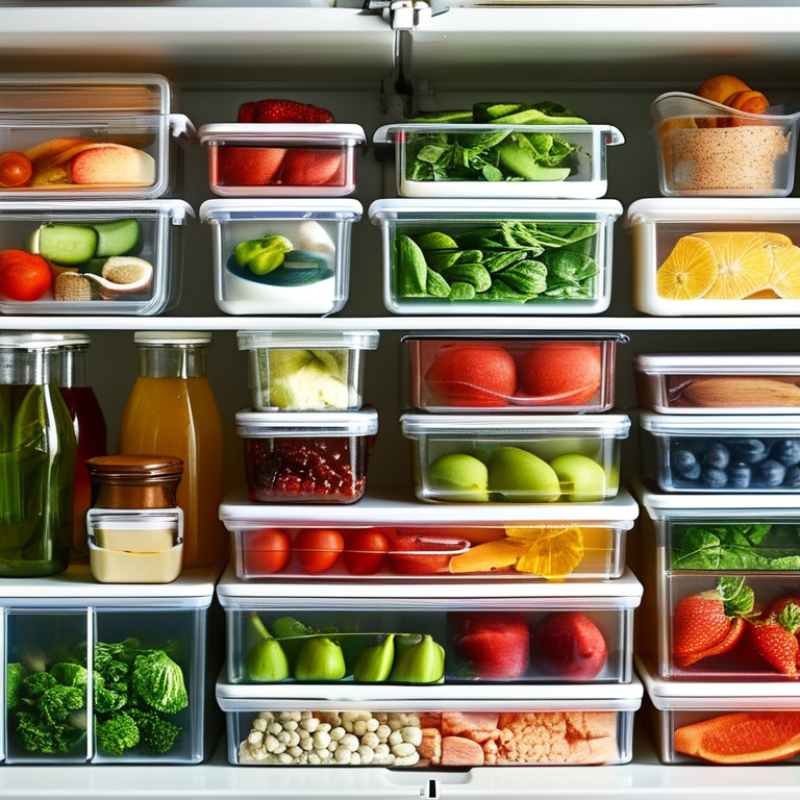
Understanding Different Types of Plastic Fridge Containers
When selecting plastic fridge containers, understanding the different types is crucial. Containers come in various shapes and sizes. Clear containers help you easily identify contents. However, opaque containers offer better protection for light-sensitive foods. According to the Food Container Association, 65% of users prefer clear containers for ease of use.
BPA-free options are essential for safety. Many consumers worry about chemical leaching. A report by the Consumer Product Safety Commission indicates that 78% of households now prioritize BPA-free containers. Additionally, stackable designs can maximize space in your fridge. This versatility is beneficial for families or individuals with varied storage needs.
Not all containers are microwave-safe. The material affects functionality. Some containers may warp when exposed to heat. Users often overlook this when purchasing. It can lead to frustration. Thus, researching materials is necessary. Understanding how each type serves different purposes will help you make informed decisions.
Assessing Size and Capacity for Your Storage Needs
When choosing plastic fridge containers, size and capacity are crucial factors. Determine how much food you typically store. For families, larger containers may work best. Single households might prefer smaller options. Understand your daily cooking habits to choose an appropriate size.
Consider your fridge layout. Tall containers may not fit in standard shelves. Wider options can waste space if not used correctly. Measure your fridge compartments to find a suitable match. Balance between container size and available storage space is key.
Think about different food types. For bulk items like grains, larger containers are ideal. Smaller, compartmentalized containers suit leftovers and snacks. Visualizing your storage needs helps in making informed choices. Rethink how often you reorganize. Containers that don’t fit well may lead to frustration.
Evaluating Material Quality and Safety Standards
When choosing plastic fridge containers, evaluating material quality and safety standards is crucial. The right containers should be made from BPA-free plastic. This ensures they won’t leach harmful chemicals into your food. High-quality materials resist cracking and staining. They should be durable, especially if you use them frequently.
Look for containers that are labeled dishwasher and microwave safe. It’s essential for ease of use. Many consumers overlook the lids, which should also fit securely. A loose lid can lead to spills, wasting food and causing messes. Consider how transparent the containers are, as visibility helps in organizing your fridge.
Avoid cheaper containers that may warp over time. Not all plastics are created equal. Researching safety certifications can provide insight into the container’s reliability. Some may not meet the safety standards needed for food storage. It’s worth checking for any scratches or damage before use. Taking the time to ensure you have the best quality can greatly affect your food preservation.
How to Choose the Best Plastic Fridge Containers for Your Needs?
| Container Type | Material Quality | Safety Standards | BPA-Free | Dishwasher Safe |
| Food Storage Container | High-Grade Polypropylene | FDA Approved | Yes | Yes |
| Meal Prep Container | Borosilicate Glass with Plastic Lids | LFGB Certified | Yes | Yes |
| Stackable Storage Container | Polyethylene With Airtight Seal | EU Food Safety Compliant | Yes | No |
| Condiment Container | HDPE (High-Density Polyethylene) | Meets ASTM Standards | Yes | Yes |
Considering Design Features for Convenience and Functionality
When selecting plastic fridge containers, design features play a crucial role in convenience and functionality. According to a recent study by the National Kitchen & Bath Association, nearly 70% of consumers prioritize ease of use in kitchen organization. Containers with clear lids allow for quick visibility of contents, saving time during meal prep. Stackable designs maximize space, a key consideration in modern kitchens.
Consider the importance of airtight seals. A report from Food Safety News indicated that 30% of food waste occurs due to improper storage. Containers with silicone seals help maintain freshness and prevent spills. Additionally, modular designs can enhance organization, accommodating various sizes of food items, from leftovers to meal prep.
In reflecting on materials, BPA-free plastics offer safety and durability. However, a review by the Consumer Product Safety Commission highlighted concerns over lower-quality plastics, which may crack or warp. Opting for well-constructed containers not only ensures longevity but also enhances safety in food storage. Thoughtful selection of design features ultimately contributes to a more efficient kitchen while addressing the common challenges faced by many households.
Comparing Prices and Brands for Value for Money
When choosing plastic fridge containers, price comparison is crucial. Reports indicate that the average cost of quality containers ranges from $10 to $30 per set. Shoppers should analyze the material type, size, and functionality. Not all plastic materials are created equal. BPA-free options tend to cost more but offer health safety.
Brand reputation significantly affects pricing. A well-known brand may charge up to 30% more for similar features. However, lesser-known brands can be a smart choice. They often deliver comparable quality at a better price point. Research shows that some budget brands received positive reviews for durability and design.
User reviews reveal a common concern — plastic containers can warp or stain over time. This highlights the importance of checking warranties and return policies. Many consumers regret impulse buys when they find the quality lacking. Transparent containers are aesthetically pleasing, but should also offer adequate storage flexibility. Ultimately, understanding what best meets your needs can lead to better purchasing decisions.
Comparison of Plastic Fridge Container Volume by Price