How to Choose the Best Bathroom Fittings for Your Home?
When it comes to enhancing a home's aesthetic, choosing the right Bathroom Fittings is crucial. Renowned interior designer and bathroom fittings expert, Emily Wright, once stated, "The perfect bathroom fittings can transform your space while ensuring functionality." Her insights reflect the balance between style and utility that homeowners seek.
Bathroom fittings encompass a wide range of elements, from faucets and sinks to lighting and storage. Each choice can drastically impact both the look and feel of a bathroom. Consider the materials, finishes, and styles available, which often seem endless. It’s vital to remember that not all fittings suit every home. A mismatch can lead to dissatisfaction and extra costs.
Furthermore, it’s important to reflect on personal preferences and daily needs. Think about the usability of each fitting. Does it cater to your lifestyle? Too often, people prioritize aesthetics over practicality. The right blend of both is essential, ensuring that your bathroom is not only beautiful but also functional and durable. Selecting bathroom fittings is a journey that demands careful thought and consideration.
Understanding Different Types of Bathroom Fittings
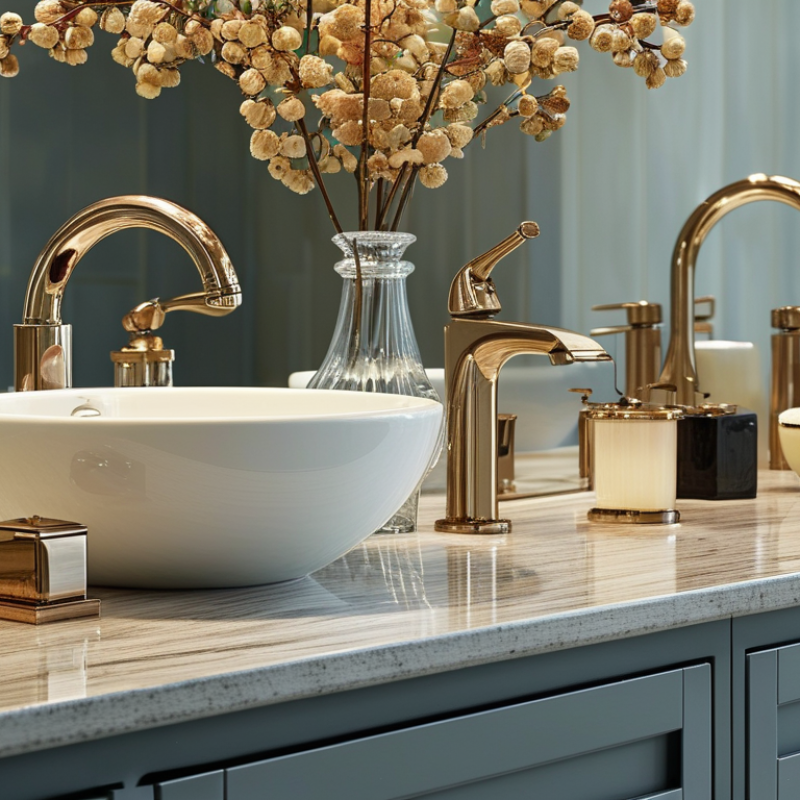
When selecting bathroom fittings, understanding the various types available is crucial. Common fittings include faucets, showerheads, vanities, and toilets. Each type serves a specific function, impacting both aesthetics and functionality. For instance, a high-efficiency toilet can save up to 20% more water compared to standard models, according to the U.S. Environmental Protection Agency. This choice not only conserves water but also reduces utility bills.
Consider the style and finish of your fittings. Chrome and matte black finishes are trending but may require regular cleaning to maintain their appearance. A 2022 survey by the National Kitchen and Bath Association reported that 30% of homeowners prioritize durability over style. Selecting durable materials like brass for faucets ensures longevity, but they may not always fit every design preference.
Tip: Take the time to visit showrooms or view online galleries. This can help visualize how specific fittings will look in your bathroom. Pay attention to water efficiency ratings. These ratings help gauge the reliability of your selected fittings in terms of water conservation. A well-informed choice can lead to both aesthetic satisfaction and functional efficiency.
Evaluating Your Bathroom Layout and Space
Evaluating your bathroom layout and space is crucial for choosing the best fittings. Start by measuring your bathroom dimensions. Take note of the door swings, windows, and any plumbing fixtures. This information shapes your choices. A compact space may require wall-mounted sinks or toilet fixtures. These save precious floor space.
Consider the flow of your bathroom. How do you move around? If the layout feels cramped, rethink your setup. Sometimes, changing the position of a fixture can create a more open feel. For instance, moving a shower can free up space for a vanity.
Think about your storage needs. Open shelves can work well in larger bathrooms, while smaller ones might benefit from built-in cabinetry. Evaluate how each piece contributes to functionality. An aesthetically pleasing design is important, but practicality should not be overlooked. It is easy to get caught up in trends. Remember, your bathroom needs to work daily for your lifestyle.
Choosing the Right Materials for Durability and Style
Choosing the right materials for bathroom fittings is crucial for both functionality and aesthetic appeal. According to a report by the Home Improvement Research Institute, approximately 70% of homeowners prioritize durability when selecting fixtures. It's essential to understand which materials withstand moisture and wear over time. For example, stainless steel is often favored for its corrosion resistance, while ceramic offers an easy-to-clean surface.
However, choosing materials based solely on durability can limit style options. A 2022 survey revealed that 60% of homeowners consider design equally important in their decision-making process. Natural stone, though luxurious, can require more maintenance. In contrast, modern composites provide a blend of durability and style. Balancing these factors is not always easy; you may need to compromise between a sleek appearance and practical use.
Many homeowners overlook the impact of finishes on longevity. Matte finishes can hide fingerprints, while shiny surfaces may show scratches more easily. Interestingly, over 55% of buyers do not consider long-term effects when making their choices. It's vital to research the pros and cons of each material type. Taking time to reflect on both aesthetic desires and practical needs can lead to a more satisfied choice in the long run.
Selecting Essential Fixtures: Toilets, Sinks, and Showers
When selecting essential fixtures for your bathroom, consider the toilet. This fixture is used daily and should offer comfort while conserving water. Look for options that provide efficient flushing with low water usage. A model with a higher flush rating can enhance performance. However, installation can be tricky if plumbing is outdated. Ensure your choice fits the existing plumbing system to avoid additional expenses.
Sinks are another crucial aspect. The style and size of the sink can impact functionality. A deep basin can simplify washing tasks, while a shallow one might suit a minimalist aesthetic. Also, consider the material. Porcelain and stainless steel offer durability. However, they may scratch or chip over time. Analyze your daily needs, as a family bathroom may require more robust options.
Selecting the right shower is equally important. The showerhead can greatly influence the experience. Options range from rainfall to handheld models. Think about water pressure in your home; some showerheads perform poorly under low pressure. Installation and space are also key, as a larger enclosure can feel luxurious but may consume precious space in smaller bathrooms. Choose wisely, as these are investments that impact daily life.
Incorporating Aesthetic Elements and Finishing Touches
When selecting bathroom fittings, aesthetics play a crucial role. Choose colors and materials that harmonize with your overall home decor. For a modern look, opt for sleek chrome finishes or matte black fixtures. Antique brass can add a vintage touch, making the space feel warm and inviting. Always consider how these choices will reflect light and affect the room's ambiance.
Tips: Consider the scale of your fittings. Oversized fixtures can overwhelm small spaces. Balance is key. Add personal touches with decorative elements. Maybe a unique mirror or a color-coordinated soap dispenser can enhance visual interest. Layering textures can also elevate the design. Soft cotton towels and wooden accessories can create a cozy atmosphere.
Don’t forget about functionality. Beautiful fittings are worthless if they don't work properly. Test each option you consider. Check for comfort and ease of use. The faucet should be easy to operate, and the showerhead should provide a satisfying spray. Reflect on how each piece can enhance your daily routines while contributing to your vision of beauty. Finding the right balance is essential.