How to Choose the Best Batch Concrete Plant for Your Needs?
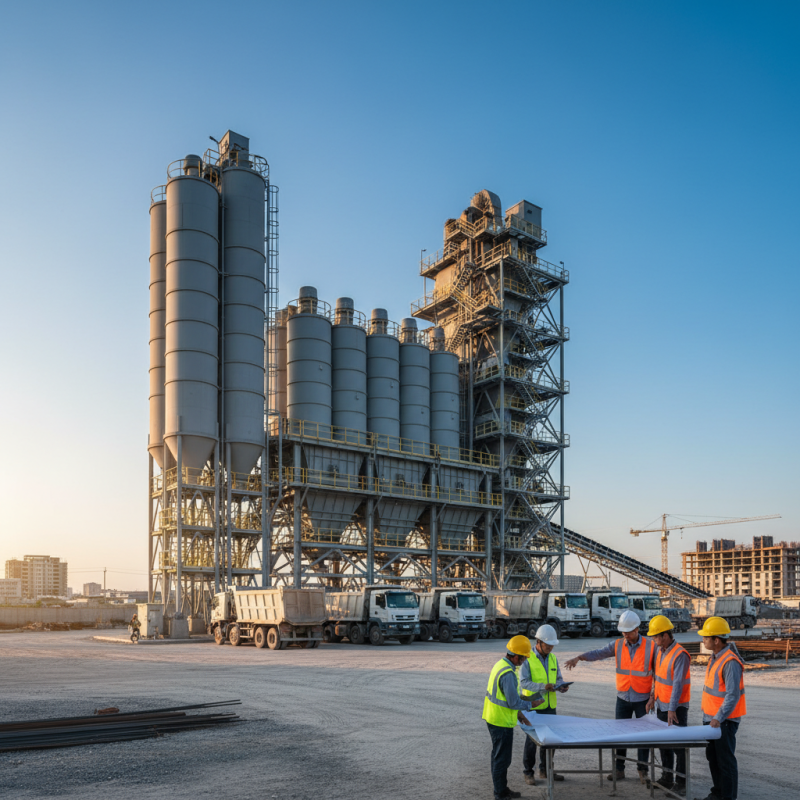
Choosing the right Batch Concrete Plant is crucial for project success. Experts emphasize the importance of understanding specific needs. John Smith, a leading industry consultant, once said, "Selecting the perfect Batch Concrete Plant can significantly impact your output and quality."
When considering a Batch Concrete Plant, project requirements come first. Each project is unique, and the plant must match these specifications. Factors like capacity, space availability, and technology level must be evaluated closely. A small oversight can lead to delays.
It’s also essential to assess reliability. Not all plants perform equally, and some may fall short of expectations. Gathering insights from industry leaders helps reveal key advantages and pitfalls. Always research the market to find plants that meet both budget and quality standards. Making an informed choice will streamline production and enhance overall success.
Understanding Different Types of Batch Concrete Plants Available
When selecting a batch concrete plant, understanding the various types available is crucial. There are two main categories: stationary and mobile plants. Stationary plants offer high efficiency and are ideal for large projects. They can produce concrete at a consistent rate, ensuring quality and reducing waste. However, they require a significant upfront investment and are not easily relocated.
Mobile batch plants provide flexibility and are suited for smaller projects. Their compact design allows them to be transported easily. This mobility can save time and costs, but they might not achieve the same production volume as stationary plants. It’s important to assess your project’s scale and requirements before making a choice.
Each type of plant has its pros and cons. Think about your site conditions and logistical needs. A mobile plant could suit remote sites, while a stationary one may be better for urban projects. This decision impacts both productivity and operational efficiency. Understanding these nuances can help you select the best option for your concrete production needs.
Comparison of Different Types of Batch Concrete Plants
This chart illustrates the number of available models for different types of batch concrete plants. Understanding the variety can help you choose the best option that meets your project's specific needs.
Key Factors to Consider When Choosing a Batch Concrete Plant
When selecting a batch concrete plant, several key factors emerge that can significantly impact your operations. The plant's capacity is paramount. Research shows that plants range from 20 to 200 cubic meters per hour. Understanding your project size is crucial. A mismatch can lead to inefficiencies or excessive costs.
Another crucial aspect is the technology integrated into the plant. Modern plants often feature automation and advanced controls, enhancing precision. Reports from industry analysts suggest that adopting smart technology can increase output by 25%. However, over-reliance on automation can be a double-edged sword. Continuous monitoring is still essential to ensure quality.
Location and site conditions also play a vital role. The logistics of transporting materials can affect project timelines. Soil stability and access roads need consideration. According to a 2022 industry review, poor site conditions can delay operations by up to 30%. It’s essential to evaluate these factors carefully to prevent unforeseen delays and costs.
Assessing Your Production Capacity and Site Requirements
Choosing the right batch concrete plant involves a careful evaluation of your production capacity and site requirements. Understanding your specific needs is crucial. A report by Freedonia Group indicates that the demand for concrete production continues to rise, growing by 4.6% annually in the U.S. alone. This statistic underscores the importance of aligning your plant’s output with project demands.
Consider your site’s constraints. Review factors such as space, access to raw materials, and environmental regulations. These elements directly impact your production capabilities. For example, a report from MarketResearchFuture highlighted that plants stationed near urban areas experienced a 30% increase in efficiency due to reduced transportation times. However, transitioning to a more accessible location can also come with its challenges and hidden costs.
Assessing both your current and future production needs is vital. If your projects demand scalability, investing in a versatile batch plant could be beneficial. Yet, this could lead to overcapacity if future demands don’t meet expectations. Industry insights suggest that facilities should plan for a 20% buffer in capacity to accommodate market fluctuations, providing flexibility in a competitive landscape. Balancing these factors impacts your operational success.
Evaluating Cost and Budget Considerations for Batch Plants
When selecting a batch concrete plant, cost and budget are paramount. The initial investment often ranges from $100,000 to $500,000. Factors like plant size and production capacity greatly influence this range. Smaller plants can be more affordable, but they may limit output. Conversely, high-capacity plants may lead to better long-term efficiency.
Maintenance costs can also add up quickly. Regular inspections and parts replacements are essential. Research shows that about 15% of a plant's operational costs stem from maintenance. It’s crucial to factor in these ongoing expenses when budgeting. Additionally, consider the plant's location. Transportation costs for raw materials can impact your overall expenses significantly.
Financing options are available, but interest rates can vary. Securing favorable terms is essential for long-term viability. Some companies may overlook the importance of evaluating financing carefully. This oversight can lead to financial strain down the line. Conducting a detailed cost-benefit analysis is vital for making a well-informed decision.
How to Choose the Best Batch Concrete Plant for Your Needs?
| Feature / Model | Small Batch Plant | Medium Batch Plant | Large Batch Plant |
| Initial Cost | $50,000 - $100,000 | $100,000 - $250,000 | $250,000 - $500,000 |
| Production Capacity (cu yd/hour) | 20 - 30 | 30 - 70 | 70 - 150 |
| Land Requirement (sq ft) | 1,500 | 3,000 | 5,000+ |
| Operating Cost (per cubic yard) | $50 | $45 | $40 |
| Typical Applications | Residential Projects | Commercial Projects | Infrastructure Projects |
Maintenance and Support Options for Long-term Investment
When investing in a batch concrete plant, maintenance and support play a vital role. A robust support system ensures that your equipment runs smoothly over time. Regular maintenance helps avoid costly downtime and enhances productivity. It is essential to have a maintenance plan tailored to the specific needs of your plant. This proactive approach can lead to significant savings.
Consider these tips for effective maintenance. Schedule routine checks to monitor wear and tear. Regular inspections can catch minor issues before they escalate. Additionally, keep spare parts on hand. This minimizes delays during repairs. Train your operators on proper equipment use. Understanding the machinery leads to fewer mistakes and better care.
Evaluate the long-term support options from your supplier. Look for companies that offer comprehensive service packages. Responsive customer support can be a game-changer in emergencies. Reliable partners can help you navigate challenges efficiently. A good support network also provides access to updates and innovations that can enhance your plant's performance.