
How to Choose Antique Stained Glass Panels in 2026?

How to Choose Antique Stained Glass Panels in 2026?

Choosing Antique Stained Glass Panels in 2026 requires patience, trained observation, and reliable documentation. These panels are more than decorative surfaces. They carry craft traditions, changing light, and sometimes a complicated history. A blue roundel may glow beautifully near a window, yet its visible charm cannot confirm its age.

Look closely. Examine the glass texture, paintwork, lead lines, solder joints, and frame. Hand-blown glass often shows subtle bubbles, uneven thickness, or gentle color variation. However, modern reproductions can imitate these details convincingly. That is why provenance matters. Ask for previous ownership records, restoration reports, measurements, and clear photographs before making a decision.

Condition also deserves careful attention. Small cracks may be stable, while loose panels or weakened lead can require professional conservation. Poor repairs may hide beneath fresh paint or a polished frame. An experienced conservator can identify risks that casual viewing misses. Their written assessment may also protect your investment and guide future maintenance.

Reputable galleries, specialist dealers, and established auction houses should explain uncertainty honestly. Be cautious when descriptions use only words such as “rare” or “period.” Those claims need evidence. Prices can vary widely because of design quality, regional origin, artist attribution, and conservation history. A beautiful panel is not automatically a valuable one.

There is no flawless buying formula. Even specialists sometimes revise their opinions after laboratory testing or frame removal. That is normal. The goal is not to chase certainty, but to make a documented, informed choice. With practical research, Antique Stained Glass Panels can bring historic character into a carefully considered interior.
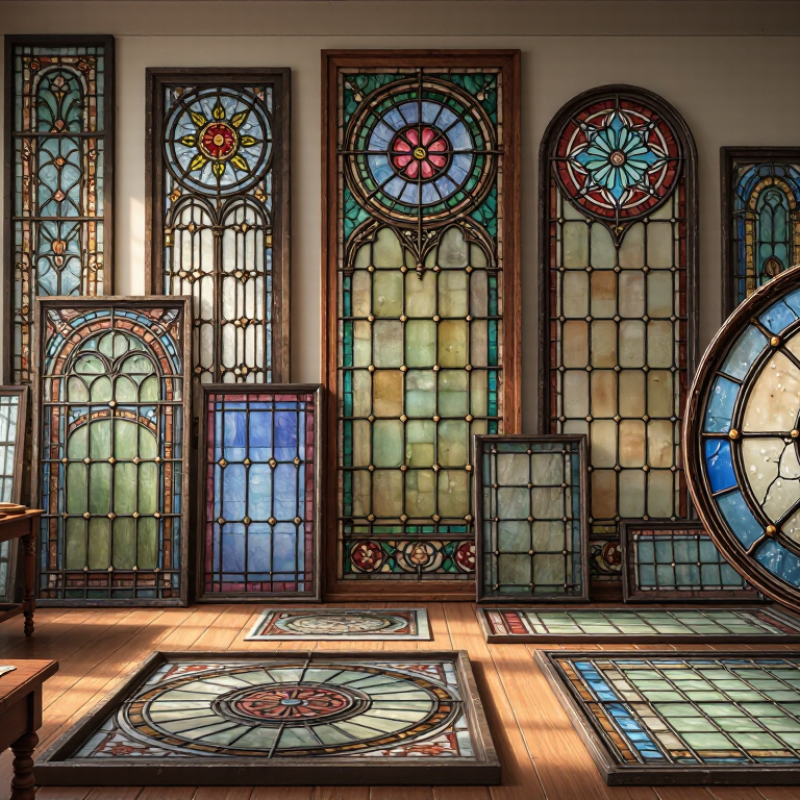
How to Choose Antique Stained Glass Panels in 2026?

Understanding Antique Stained Glass Panels and Their Historical Value

How to Choose Antique Stained Glass Panels in 2026?

Antique stained glass panels are historical documents, not merely colorful decorations. Their value comes from age, craftsmanship, provenance, and surviving context. The Cultural Heritage Counts for Europe report estimated that heritage creates €335 billion annually and supports eight million jobs. That figure reflects heritage’s economic power, but not every old panel deserves a premium price.

I examine the glass in daylight first. Look for uneven textures, tiny bubbles, hand-cut edges, and subtle color shifts. These details can suggest older manufacturing methods. Original lead came may show softened edges, careful joints, or honest fatigue. However, replacement glass can look convincing. A specialist should inspect solder points, cement, paint layers, and repairs. Photographs, architectural records, invoices, or auction histories strengthen provenance. A label alone proves little.

UNESCO’s 2022 cultural and creative industries report valued the sector at 3.1% of global GDP and 6.2% of employment. Such figures explain rising interest in authentic heritage objects. Still, market attention can encourage careless restoration. I have seen beautiful panels lose meaning after aggressive cleaning. Conservation should preserve evidence, including minor cracks and old repairs. No checklist is flawless. My own judgment changes when laboratory testing conflicts with a confident sales description. Choose panels with documented history, stable structure, and conservation advice from a qualified stained-glass professional. Age matters. Context matters more.

Identifying Authentic Materials, Craftsmanship, and Age

How to Choose Antique Stained Glass Panels in 2026?

Authentic antique stained glass often shows slight color variation, tiny bubbles, and uneven thickness. These details reflect older glassmaking methods, not manufacturing defects. Hold the panel near soft daylight. Good glass may reveal subtle ripples, while modern reproductions can appear unusually uniform. However, appearance alone cannot prove age. Some new glass is deliberately textured.

Examine the craftsmanship closely. Look for hand-cut pieces, irregular lead lines, and carefully repaired joints. Strong construction should feel stable, but an antique panel may still have gentle movement. Ask for information about its previous location, repairs, and conservation history. A reliable seller should explain what is known and what remains uncertain. If every detail sounds perfect, question it. I have found that honest uncertainty can be more convincing than dramatic claims.

Tips:

Use a magnifying glass to inspect solder joints and glass edges. Check whether the patina looks naturally aged or artificially darkened. Request clear photographs from both sides. A professional conservator can assess condition, materials, and possible alterations. Do not clean aggressively; old glass and leadwork can be fragile. Small cracks may be repairable, but hidden stress can worsen during installation. Keep written measurements, photographs, and condition notes before purchasing.

Evaluating Condition, Repairs, Provenance, and Market Value

How to Choose Antique Stained Glass Panels in 2026?

Condition should lead the inspection, not decoration. Hold the panel under angled light. Look for hairline cracks, bowing, loose cames, cloudy solder, and water stains. A conservator should test fragile paint before cleaning. Replacement glass can reduce historical and financial value, even when the repair looks attractive. I would not treat every old solder line as damage. Some are evidence of an honest working life.

Repairs need clear documentation. Ask for treatment notes, photographs, invoices, and the conservator’s qualifications. Protective glazing may improve stability, but it can also hide condensation or create heat stress. Provenance matters too. Architectural records, estate inventories, exhibition history, and a continuous ownership trail can support attribution. Missing paperwork is not fatal, but it requires caution. Stories are not evidence.

Market value depends on condition, rarity, design quality, maker attribution, dimensions, and buyer demand. Compare recent auction results for similar panels, not decorative listings with asking prices. The Art Basel and UBS Art Market Report 2025 estimated global art sales at about 65 billion dollars in 2024, up roughly 3 percent; this signals broader market resilience, not a stained-glass price guarantee. Independent appraisers should adjust for restoration costs, specialist packing, insurance, and regional transport. My own judgment can still be wrong. Have a second expert challenge it.

Matching Panel Design, Size, and Colors to Your Space

How to Choose Antique Stained Glass Panels in 2026?

Matching design, size, and color requires more than liking a pretty pattern. Measure the opening, wall width, and viewing distance first. A panel covering 60–75% of the window often preserves daylight while creating a clear focal point. The National Fenestration Rating Council identifies visible transmittance as a key window-performance measure, so darker glass can noticeably reduce interior brightness.

Color should respond to the room’s existing materials. Amber and ruby glass can warm pale wood, while blue and green pieces suit stone, white paint, or cooler metals. Test a small color sample near the window. Morning light may make red glass appear brown, which surprises many buyers. Antique panels also contain irregular solder lines, bubbles, and slight warping. These details support authenticity, but they can look uneven from close range.

Size affects both appearance and future value. The National Association of Realtors’ 2023 Remodeling Impact Report estimates 68% cost recovery for new windows, although antique stained glass does not guarantee the same return. Treat the panel as a design investment, not a financial promise. A professional glazier should inspect the lead came, frame, and protective glazing before installation. I would leave extra clearance for movement. Perfect measurements can still fail in an old building.

Choosing Safe Installation, Care, and Long-Term Preservation Methods

How to Choose Antique Stained Glass Panels in 2026?

Choose panels with a clear condition report, visible provenance, and stable structural support. Examine the glass in natural daylight. Look for hairline cracks, loose lead came, bowed sections, and cloudy repair joints. A panel may look beautiful while needing extensive conservation.

Safe installation starts with an experienced stained-glass conservator. Antique panels should not carry modern window loads alone. Use a supportive frame, flexible glazing materials, and a small ventilation gap where appropriate. Never force a tight fit. It can turn seasonal movement into broken glass. Ask the installer how they will protect painted details and document existing damage. A second opinion is sensible, although it may delay installation.

Tips: Wear gloves when handling panels. Support every edge. Dust gently with a soft brush, not a wet cloth. Avoid ammonia, abrasive cleaners, and direct pressure on painted surfaces. Keep indoor humidity reasonably stable, and reduce strong ultraviolet exposure with an interior protective layer. Record photographs before cleaning or moving the panel. Small mistakes matter. Even careful owners sometimes clean too often, which can remove fragile surface decoration. Recheck the frame and joints annually, especially after heating or renovation work.

Request Your FREE Quote