How to Choose Wheel Hub Bearing Units for Your Vehicle?
Choosing the right wheel hub bearing units for your vehicle is crucial. These components directly affect your car's performance and safety. According to industry expert John Stevens, "The right wheel hub bearing unit significantly enhances vehicle stability." Selecting the proper unit ensures smooth driving and minimizes wear and tear.
Many drivers overlook the importance of quality wheel hub bearing units. They often focus on aesthetics or price rather than performance. This choice can lead to unnecessary repairs or reduced safety. Every vehicle has specific requirements that must be met. Understanding these needs is essential for making an informed decision.
It is also vital to consider the environment in which you drive. Different conditions can impact the longevity of your wheel hub bearing units. An expert's insight can guide you, but personal experience matters too. Ultimately, reflecting on your driving habits and conditions can lead to better choices.
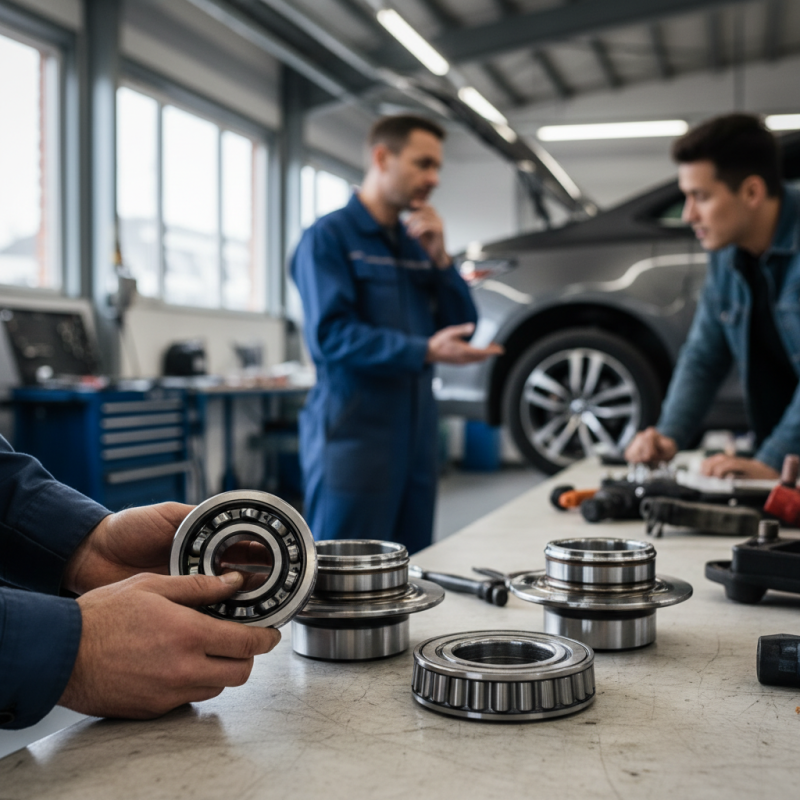
Understanding the Function of Wheel Hub Bearing Units in Vehicles
Wheel hub bearing units play a vital role in the performance and safety of your vehicle. These units support the weight of the vehicle while allowing the wheels to rotate smoothly. They reduce friction between moving parts, ensuring efficient energy transfer. Proper functioning of these units is crucial for vehicle handling and braking. A failing hub bearing can lead to uneven tire wear and compromised safety.
Tips: Regular inspections can help identify issues early. Listen for unusual noises while driving. Vibration in the steering wheel or unusual tire wear may suggest a problem with the wheel hub bearing. Check for signs of leakage or damage.
Selecting the right wheel hub bearing unit is essential. Consider factors like vehicle type, load capacity, and driving conditions. Not all bearings are suited for every vehicle. Ensure compatibility with your model. Research different materials and designs, as they can affect performance. The wrong choice can lead to increased wear and potentially hazardous situations. Be cautious and thorough in your selection process.
Identifying Different Types of Wheel Hub Bearing Units
When identifying different types of wheel hub bearing units, it's crucial to understand their structures. A wheel hub bearing unit typically combines bearings and a wheel hub into one assembly. The two most common designs are the modular and the integral units. Modular units allow for easier maintenance and are generally lighter. Integral units, however, provide superior strength due to their robust construction.
Data from industry reports indicate that about 60% of vehicles on the road today use integral units. They often perform better under high loads. But, this strength can come at a cost. Many integral units may require a complete replacement after a failure, increasing long-term maintenance costs. In contrast, modular units may be easier to replace individually.
Choosing the right type involves assessing your vehicle's needs, load capacity, and potential maintenance styles. While integral units offer strength, modular units can present repair advantages. Decision-making should not overlook these pros and cons. Vehicle owners may find unexpected costs from their choices. Consider all aspects carefully. Each design has its place, but the right fit is critical for performance.
Factors to Consider When Selecting Wheel Hub Bearing Units
When selecting wheel hub bearing units, several key factors come into play. One crucial aspect is the type of vehicle. Different vehicles require specific bearings due to varying weight and usage. For instance, a heavy-duty truck needs robust bearings to handle greater loads. On the other hand, a compact car might need lighter options. The design and configuration of the wheel hub also matter. They must fit seamlessly to ensure optimal performance.
Another essential factor is the bearing's material. High-quality materials lead to better longevity. Steel bearings are common, but composite materials can offer better resistance to corrosion. The seal design is also vital. A good seal keeps dirt and moisture out, prolonging the bearing's life. Yet, some seals may wear out quickly, affecting performance.
Finally, consider the installation process. Some units are easier to install than others. A complicated setup might lead to mistakes and future problems. Think about the tools required. Sometimes, specialized tools make the job easier. Don't overlook this aspect. Proper selection can save time and costs down the line. This choice isn’t just about the present; it shapes your vehicle’s future performance.
How to Choose Wheel Hub Bearing Units for Your Vehicle? - Factors to Consider When Selecting Wheel Hub Bearing Units
| Factor | Description | Importance Rating (1-5) |
| Compatibility | Ensure the bearing unit matches your vehicle's make and model. | 5 |
| Load Capacity | Check the load specifications to match your vehicle's weight. | 4 |
| Material Quality | Select units made from high-quality materials for durability. | 5 |
| Sealing Type | Choose the right sealing type based on your driving conditions. | 4 |
| Maintenance Needs | Consider whether the bearing requires regular maintenance or is sealed for life. | 3 |
| Performance Ratings | Research reviews and performance ratings from other users. | 4 |
Compatibility Checks for Wheel Hub Bearing Units with Your Vehicle
When choosing wheel hub bearing units, compatibility is essential. Vehicles vary in specifications, so it’s crucial to check dimensions. Measure the hub’s diameter and thickness. Ensure the bolt pattern matches your vehicle. Mismatched parts can cause severe damage.
Consult your vehicle’s manual for precise details. Information on bearing sizes, load capacity, and performance requirements is crucial. This might sound tedious, but incorrect choices lead to headaches down the line. Sometimes, even minor discrepancies affect performance.
Look at user reviews, but stay cautious. Not all feedback is reliable. Engage with forums for real-world insights. It’s a good way to learn, but opinions differ. Striking the right balance between cost and quality can be challenging. Take your time to reflect before making a decision. Compatibility is vital, and rushing might lead to regret.
Tips for Maintenance and Replacement of Wheel Hub Bearing Units
When it comes to maintaining wheel hub bearing units, regular inspections are crucial. These components play a critical role in your vehicle's performance. Look for signs of wear, such as unusual noises or vibrations. A simple visual inspection can reveal cracks or rust.
Replacing wheel hub bearing units requires attention to detail. Ensure you have the right tools and follow manufacturer guidelines. If you feel uncertainty, consult a professional before proceeding. Improper installation can lead to bigger issues later on.
Remember, neglecting maintenance can result in costly repairs. Keep track of your vehicle’s mileage. This helps in planning timely replacements. Listening to your car is important; it often signals when something is wrong. Be proactive in caring for your wheel hub bearing units. Aim for better performance and safety.