China Top Siding Contractors What You Need to Know
In the dynamic world of home improvement, siding contractors play a crucial role. The siding industry is witnessing rapid growth, projected to reach $100 billion by 2025, as homeowners prioritize exterior aesthetics and energy efficiency. According to industry expert John Parker, "Investing in quality siding not only enhances curb appeal but also adds lasting value to your property."
Understanding the top siding contractors in China can significantly impact your renovation decisions. It's not just about looking good; it's about durability and performance. Many homeowners struggle to choose the right materials and contractors. Reliable, high-quality siding can prevent costly repairs and improve energy efficiency. However, many contractors may lack transparency in their operations, leading to potential regrets.
Reports indicate that 30% of homeowners faced issues with their siding projects, highlighting the importance of choosing experienced professionals. Siding contractors must showcase their expertise to build trust with clients. Investing time to research and vet contractors can circumvent future challenges. Selecting the right siding contractor is vital for a successful renovation experience.

Understanding the Role of Siding Contractors in China
Siding contractors play a crucial role in the construction and renovation industries in China. They are responsible for installing, repairing, and maintaining exterior siding materials. This may include wood, vinyl, metal, or fiber cement. According to a recent industry report, the siding market in China is expected to grow at a compound annual growth rate (CAGR) of 8.2% through 2025. This indicates a strong demand for skilled contractors in this sector.
The choice of siding material can significantly impact energy efficiency and aesthetics. Many homeowners are increasingly seeking materials that offer sustainability and longevity. Reports indicate that fiber cement siding, for instance, is gaining popularity due to its resistance to fire and pests. However, there is still a knowledge gap among consumers regarding the best options for their specific needs. Many contractors may need to address this.
Moreover, the licensing and certification processes for siding contractors vary across regions. This can create confusion for homeowners. A lack of standardized regulations may lead to discrepancies in quality and service. Continuous training and adherence to industry standards are essential for maintaining reliability. Yet, some contractors often overlook this aspect, which can affect their reputation.
Understanding the Role of Siding Contractors in China
This chart illustrates the distribution of different types of siding projects undertaken by contractors in China. The data represents the volume of projects in four main categories: Residential, Commercial, Industrial, and Renovation.
Key Factors to Consider When Choosing a Siding Contractor
Choosing the right siding contractor in China requires careful consideration. Look for experience; it speaks volumes about their skills. Contractors with several years in the industry usually have refined techniques. They understand both local climate conditions and material suitability. This knowledge can help prevent common pitfalls.
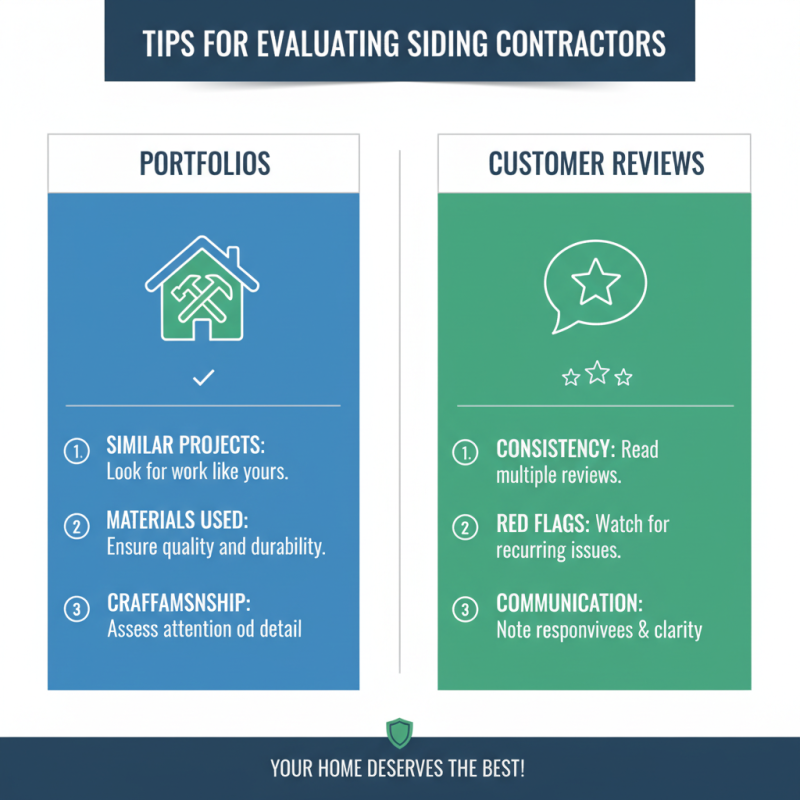
Another important factor is their portfolio. A strong portfolio showcases past projects. It allows you to gauge their style and craftsmanship. Ask for references and check their reliability. This step helps ensure that they meet deadlines and maintain quality.
Communication style cannot be overlooked. A good contractor listens to your ideas. They should also provide clear explanations about the process. Sometimes, what seems perfect in theory may not work in practice. Therefore, discussing expectations is crucial. Consider how they handle questions or concerns. A contractor open to dialogue often indicates a positive working relationship.
Top Siding Materials Preferred by Chinese Contractors
In China, the choice of siding materials plays a crucial role in construction projects. Building contractors prioritize durability, aesthetics, and cost-effectiveness. A report by the China Construction Industry Association highlights that over 60% of contractors prefer materials that withstand harsh weather conditions. Fiber cement siding has become increasingly popular due to its longevity and resistance to rot.
Wood siding is another favored option, especially for residential buildings. It offers a classic appearance that appeals to many homeowners. However, it requires regular maintenance to prevent decay. According to recent studies, 40% of contractors express concerns about the sustainability of wood sourcing. This underscores the need for eco-friendly practices in siding material selection.
Additionally, vinyl siding has gained traction for its affordability and low maintenance. Nearly 35% of contractors choose vinyl for commercial projects. However, some experts argue that its lifespan may not match other options. This highlights the ongoing debate about balancing cost against long-term value in siding material choices.
Regulatory Standards and Compliance for Siding Installation
In the realm of siding installation in China, understanding regulatory standards is crucial. Compliance ensures that projects meet local and national requirements. These regulations cover material quality, installation methods, and safety measures. Adhering to these guidelines protects both the contractor and the homeowner. Proper compliance can prevent costly modifications down the line.
Contractors often face challenges with ever-evolving standards. Regional variances can complicate compliance. It’s important for contractors to stay informed about updates. Regular training and workshops can bridge knowledge gaps. Awareness of specific regulations helps in anticipating potential setbacks. Each project may require unique considerations, and overlooking details can lead to violations.
The role of government bodies in enforcing these standards cannot be understated. Contractors must develop a strong working relationship with local officials. This collaboration can provide clarity and facilitate smoother installations. In practice, consistent communication with regulatory agencies helps avoid misunderstandings. However, not all contractors prioritize this aspect, which can lead to unforeseen complications.
China Top Siding Contractors - Regulatory Standards and Compliance for Siding Installation
| Contractor Type |
Compliance Standards |
Installation Methods |
Common Materials Used |
Average Project Cost (RMB) |
| Residential |
GB/T 50210-2019 |
Vinyl, Wood, Fiber Cement |
Vinyl Siding, Wood Clapboard |
50,000 - 100,000 |
| Commercial |
GB/T 51176-2018 |
Metal, Composite Panels |
Aluminum Composite, Steel Cladding |
100,000 - 300,000 |
| Industrial |
GB 50067-2014 |
Brick, Stone |
Masonry, Precast Concrete |
200,000 - 500,000 |
| Retail |
GB/T 50570-2017 |
Fiber Cement, Wood |
Shiplap, Paneling |
75,000 - 150,000 |