
7 Best Spectrum Stained Glass Sheets for Sale

7 Best Spectrum Stained Glass Sheets for Sale

Choosing Spectrum Stained Glass Sheets is about more than finding a color that looks beautiful on a screen. The right sheet must also suit your project’s light, texture, cutting needs, and budget. A deep cobalt may glow beside a sunny window, while the same glass can look almost black indoors. Small details matter.

Louis Comfort Tiffany is often credited with saying, “Color is to the eye what music is to the ear.” His words capture stained glass’s visual impact, but choosing glass still calls for practical judgment. Before buying, check each sheet’s stated dimensions, surface texture, and color consistency. If possible, view a sample in both daylight and indoor lighting. Ask the seller about current stock and shipping protection, since glass can arrive chipped despite careful packing. No single sheet suits every design.

This guide compares seven Spectrum Stained Glass Sheets for Sale, focusing on useful differences rather than appearance alone. You’ll find options for bold panels, subtle accents, and projects that need light to pass through clearly. Some sheets may vary slightly between batches, so a perfect match is not guaranteed. That’s worth remembering. The best choice is the one that fits your pattern, workspace, and expectations—not simply the brightest photo.
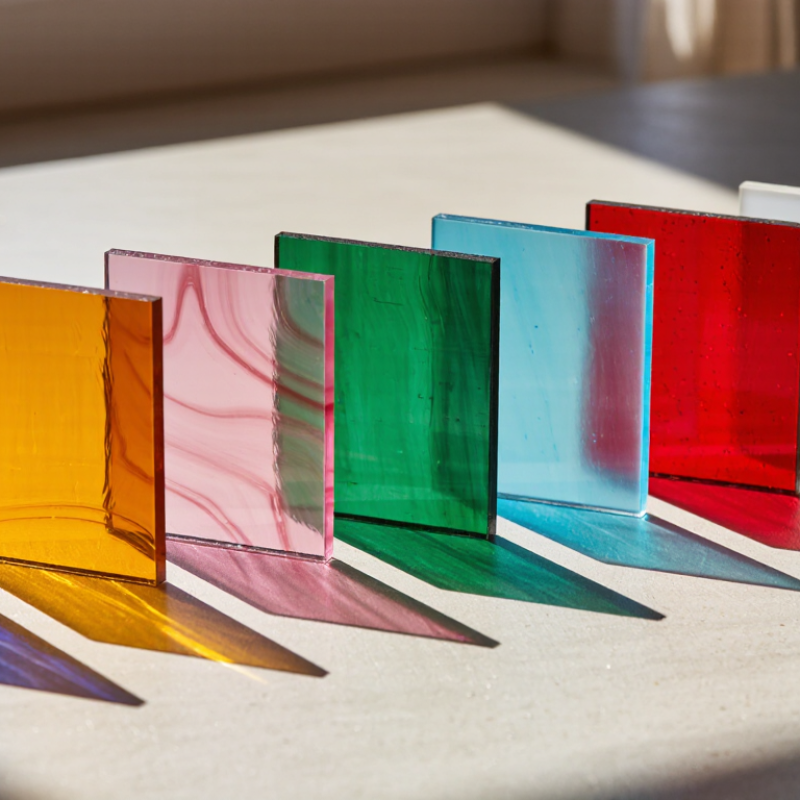
7 Best Spectrum Stained Glass Sheets for Sale

Understanding Spectrum Stained Glass Sheets and Their Properties

Spectrum stained glass sheets differ in color, transparency, texture, and how they behave under light. Clear glass lets shapes behind it remain visible, while opalescent glass scatters light and softens details. A textured surface can add depth, but it may also distort a pattern viewed through the finished piece.

Light changes everything.

Thickness and surface texture affect cutting and handling. A smooth sheet may score predictably, while ridges or uneven areas can make a clean break harder to judge. Color can also look different beside a window than it does under indoor lamps. Small flaws matter. Before choosing a sheet, check it in the kind of light your project will receive. If combining glass for kiln work, confirm that the pieces are compatible; appearance alone does not establish compatibility.

Tips: Ask for a sample when possible, and hold it against a simple paper pattern near a window. Look for bubbles, color shifts, and surface irregularities. Wear eye protection and gloves while cutting, and keep offcuts contained. A shade that looks perfect in a shop may feel too dark at home. That is worth reconsidering.

Key Factors for Choosing Spectrum Sheets for Your Project

Choosing stained glass sheets starts with how the finished piece will be seen. For a sunny window, hold samples against daylight; a rich red on the workbench may look much darker when backlit. Check both transmitted and reflected color. Texture matters, too. Rippled glass can soften outlines, while smooth sheets keep small geometric patterns crisp. A few centimeters of sample glass can prevent an expensive mismatch.

Inspect each sheet for thickness, usable flat areas, and natural variation. Small bubbles or streaks may add character, but they can interrupt a narrow cut. Match thickness to your assembly method, and test a scrap before cutting the main design. If you are combining sheets from different batches, compare them side by side. Their tones may not match perfectly. I sometimes underestimate that shift, especially with pale greens.

Tips: View samples in the room where the piece will hang. Mark the sheet’s best cutting zones, and keep a small offcut for later color checks. Don’t chase perfect uniformity; a little variation can make the finished panel feel more alive.

Seven Spectrum Stained Glass Sheets Worth Considering

Seven stained glass sheets worth considering offer different balances of color, texture, and light. Clear cathedral glass has a gentle surface texture that keeps small details crisp. It suits borders, lettering, and designs that need bright daylight. Amber streaky glass adds irregular ribbons of gold and brown. Those uneven bands can make a simple panel feel warmer. Opalescent white diffuses light and softens sharp color contrasts. It can look almost solid in shade.

Wispy blue glass brings pale and deep tones together, though the pattern may vary across a sheet. Deep green glass provides a rich accent for leaves or geometric panels. Rippled clear glass bends the view behind it into soft, shifting lines. Granite-textured glass scatters light with a pebbled surface. Color shifts in daylight. Hold a sample near a window before choosing it.

A practical comparison includes more than appearance. Check each sheet for thickness, surface marks, and usable size, since texture can affect cutting and fitting. Look at the glass from both sides. Some pieces appear calmer until sunlight passes through them. I once favored a bold blue sample, then found it crowded the design beside dark solder lines. That judgment may not suit every project, but it is worth testing a small offcut first. Samples can mislead, too. A tiny piece rarely shows the full pattern.

Comparing Colors, Textures, Sizes, and Uses

Choosing stained glass sheets starts with the color under real light. A deep cobalt panel may look nearly black indoors, then glow blue beside a sunny window. Clear, pale, and opalescent sheets each handle light differently. Hold samples against white paper and view them in the room where the finished piece will hang. Small test pieces help. They also reveal color shifts that product photos can hide.

Texture changes everything. Smooth glass creates clean lines and even color, while rippled or hammered surfaces scatter light across a wall. Wispy patterns can suggest movement, but busy markings may compete with detailed designs. Feel the sheet’s surface and check for bubbles, uneven edges, or patterns that vary sharply. A little variation can add character. Too much may frustrate careful cutting.

Sheet size affects both project planning and waste. Larger sheets suit broad panels, while smaller pieces may work better for mosaics, ornaments, or repairs. Check thickness and confirm your cutting tools can handle it. For a window panel, balance strong colors with quieter sections so the design remains readable from across the room. For lamps, test how the glass looks when backlit; some colors become much brighter. I have found that choosing by a tiny sample can be misleading. Test it first.

7 Best Spectrum Stained Glass Sheets for Sale — Comparing Colors, Textures, Sizes, and Uses

Compare example sheet formats by area to help plan stained-glass projects. Areas are calculated from the listed dimensions; sheet sizes and availability vary by seller.

Choose smaller sheets for accents and small panels; larger formats can reduce seams in bigger projects. Check the seller’s exact dimensions before ordering.

Where to Find Spectrum Sheets and What to Check Before Buying

Finding stained-glass sheets takes more than searching by color. Local art-glass suppliers often let you inspect sheets in daylight, while specialist online sellers may offer broader textures and cut sizes. Ask about thickness, sheet dimensions, and whether the color is consistent throughout or changes with the light. Request a small sample when possible. A phone photo can flatten texture and distort color.

Before buying, check for chips, deep scratches, bubbles, and uneven edges. Some bubbles are part of the glass’s character; others may complicate cutting. Confirm that the sheet suits your cutting method and project, and ask how it will be packed for shipping. Compare the delivered price, not just the listed price. A low-cost sheet can become expensive after careful packing and freight.

For material context, the U.S. Geological Survey’s Mineral Commodity Summaries 2024 estimated U.S. industrial sand and gravel production at about 96 million metric tons in 2023. That figure covers many uses, not stained-glass sheet quality. It is useful background, not a buying grade.

I still trust a physical sample more than a color name. Keep one. Record the supplier’s description, thickness, and batch details, since replacement sheets may look different.

Request Your FREE Quote