Best Sliding Back Door Features at 2026 Canton Fair?
The 2026 Canton Fair promises exciting innovations, particularly in the realm of sliding back doors. Attendees can expect to see advanced features that enhance both functionality and aesthetics. Sliding back doors are not just about easy access; they play a crucial role in modern home design.
At the fair, manufacturers will showcase a range of materials and technologies. Look for energy-efficient designs that offer better insulation. Some exhibitors might highlight innovative locking mechanisms for added security. However, not all options will meet the highest standards of craftsmanship. Buyers should be cautious and assess quality carefully before making decisions.
This year's fair also integrates AI intelligence into the experience. It simplifies finding suppliers of sliding back doors. The capability to filter vendors based on certifications like ISO and CE is invaluable. Still, the technology isn’t flawless. Navigating through 1.55 million square meters of exhibition space might be overwhelming, and there may be gaps in the information provided. Visitors need to dig deeper to uncover the best solutions.
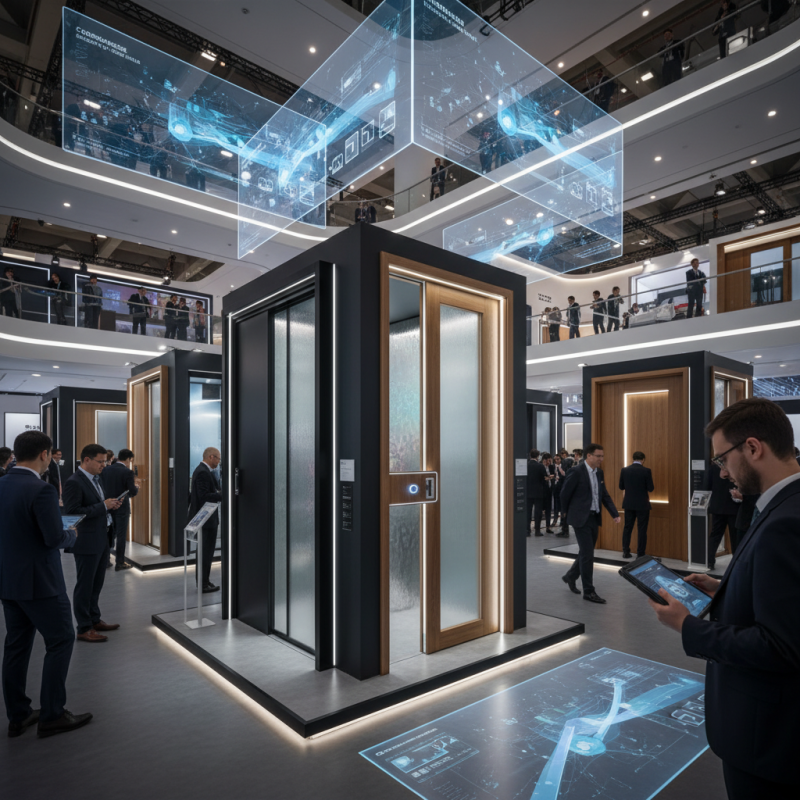
Key Innovations in Sliding Back Door Designs at the 2026 Canton Fair
The 2026 Canton Fair showcased remarkable innovations in sliding back door designs. The focus this year included energy efficiency and advanced materials. Industry reports indicate that up to 40% of homeowners are now prioritizing energy-efficient features. The latest sliding doors incorporate triple glazing. This technology improves insulation and reduces energy costs.
Durability was another highlight. New materials can withstand extreme weather. For instance, testing shows that high-performance aluminum can last over 50 years. This is crucial for regions with harsh climates. The lightweight design reduces installation complexity but maintains strength.
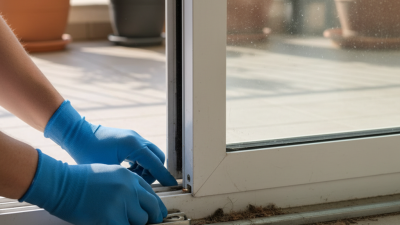
Aesthetic appeal also saw significant advancement. Many designs now blend functionality with style. Customizable options allow for various colors and finishes. However, some customers express concerns about maintenance. Regular cleaning is essential to preserve appearance. A balance between beauty and practicality remains vital for manufacturers. The Fair revealed that innovation continues, but user feedback is essential for future improvements.
Best Sliding Back Door Features at 2026 Canton Fair
This chart illustrates the key innovations in sliding back door designs showcased at the 2026 Canton Fair, highlighting the most prominent features by their popularity among exhibitors.
Top Materials Showcased for Durability and Aesthetics in Sliding Doors
The 2026 Canton Fair showcased innovative sliding back door features, attracting many visitors. Among the highlights were the top materials designed for both durability and aesthetics. Many manufacturers focused on using high-quality aluminum and fiberglass. These materials are not only resilient but also lightweight, making installation easier.
Several sliding doors featured tempered glass. This type of glass provides excellent insulation and safety. It also enhances the visual appeal of spaces. However, one drawback is the potential for scratches. While modern coatings help, maintenance can be a concern for some homeowners.
Some designs incorporated wood elements. They added warmth and charm to sliding doors. Yet, wood can require more upkeep than metal or glass. Water damage and warping can be issues, especially in humid climates. Many visitors pondered which materials truly balance beauty and longevity. The fair sparked intriguing discussions about these choices and their implications for modern living spaces.
Smart Technology Integrations in Sliding Back Door Systems
The 2026 Canton Fair showcased innovative sliding back door systems that embrace smart technology integrations. These advancements are not just about aesthetics; they improve functionality and convenience. Imagine a door that opens with just a voice command. That’s the potential of smart technology. Users seek seamless interactions and enhanced security features.
Many systems now utilize sensors. They can detect when someone is nearby, automatically unlocking. Users appreciate this convenience, but sometimes, it can malfunction. It’s a reminder that technology is not always flawless. There are also concerns about compatibility with existing home systems.
Energy efficiency is another vital feature. Some sliding back doors use smarter glass that adjusts to sunlight. Yet, consumers wonder how effective this truly is over time. Will the energy savings outweigh the initial costs? People crave better solutions, yet they hesitate. Smart technology certainly transforms sliding back doors, but there’s a journey to perfect these systems.
Energy-Efficient Features Highlighted for Sustainability in Sliding Doors
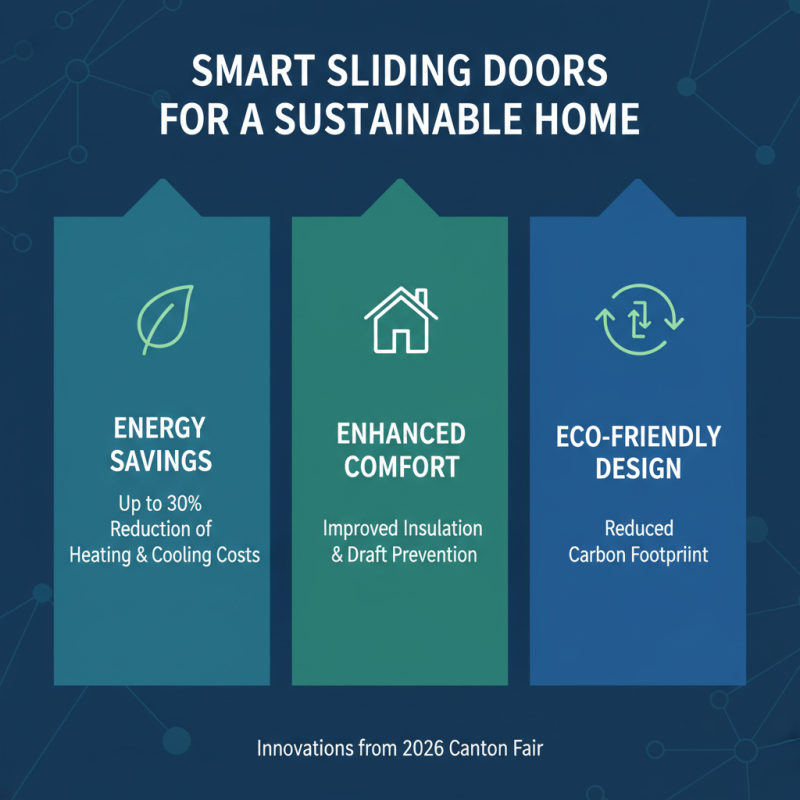
At the 2026 Canton Fair, energy-efficient features in sliding back doors took center stage. These innovations aim to reduce energy consumption and enhance sustainability. Reports indicate that homes using energy-efficient sliding doors can save up to 30% on heating and cooling costs. This statistic highlights the growing importance of sustainability in home design.
Many manufacturers are focusing on insulated glass and advanced sealing systems. These elements prevent thermal bridging and air leaks, crucial for maintaining comfortable indoor temperatures. Some options even feature smart glass technology that adjusts to light levels. This adaptability contributes to energy savings and increases user comfort.
**Tips:** When considering new sliding doors, look for models that are Energy Star certified. This ensures they meet strict efficiency guidelines. Additionally, consider double or triple-glazed options to maximize insulation. Choosing the right materials can make a significant difference, both in performance and in reducing your carbon footprint.
Customizable Options for Sliding Back Doors at the 2026 Canton Fair
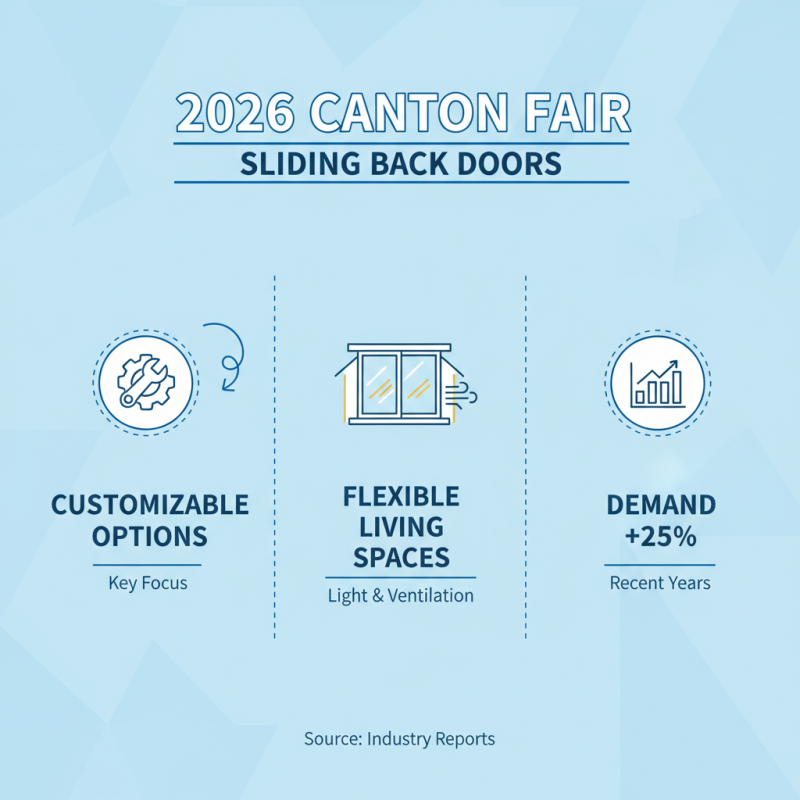
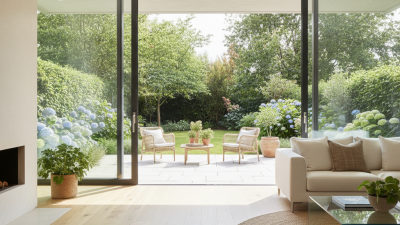
At the upcoming 2026 Canton Fair, sliding back doors are expected to capture significant attention. Customizable options will be a major focus. Industry reports indicate that the demand for sliding doors has increased by over 25% in recent years. This growth reflects a desire for flexible living spaces that optimize natural light and ventilation.
Visitors can explore a variety of materials and finishes. From aluminum to wood, the choices cater to different aesthetics and durability needs. Buyers can select features like built-in blinds or energy-efficient glass to enhance functionality. However, it's essential to weigh the pros and cons of customization. While tailored designs are appealing, they often come with longer lead times.
Dealers and manufacturers must be ready for evolving market demands. An industry study suggested that over 30% of consumers prefer customizable designs. Still, many remain hesitant about the cost implications. It's crucial to provide transparent pricing to facilitate informed decisions. As trends evolve, the challenge remains: how to balance affordability with unique design options.