What Type of Glass Is Best for Patio Doors?
Choosing the best glass for patio doors is not simply a style decision. It affects comfort, safety, energy use, and daily enjoyment.
Building-science expert Joseph Lstiburek has famously observed, “A window is a hole in the wall.” That short statement deserves attention. Glass patio doors create beautiful views, but they also expose your home to sunlight, wind, noise, and temperature changes. The right glass must respond to those conditions.
This guide examines the practical choices available. Insulated glass units can reduce heat transfer between indoor and outdoor spaces. Low-emissivity coatings may limit unwanted solar gain while preserving natural light. In hot climates, spectrally selective glass can help control intense afternoon sunlight. In colder regions, low-E glass often supports better indoor comfort. The ideal specification depends on orientation, climate, frame quality, and installation.
Safety matters just as much. Tempered glass breaks into smaller pieces when damaged. Laminated glass can remain bonded after impact, offering a different protection profile. Local building requirements should guide the final selection. A professional glazier can also check opening sizes, drainage, seals, and hardware compatibility.
Still, no glass performs perfectly in every home. A showroom sample may look impressive, yet glare can become frustrating beside a bright patio. Darker glass may reduce sunlight, but it can change the room’s appearance. These trade-offs are easy to underestimate. The following sections compare glass types, explain their strengths, and identify where each option may fall short.
How Patio Door Glass Is Evaluated
What Type of Glass Is Best for Patio Doors?
Patio door glass should be evaluated by performance, not appearance alone. In installation work, I look at insulation, safety, sunlight control, and air leakage. Double-pane glass usually offers better comfort than single-pane glass. Triple-pane units can improve insulation, but they may add weight and cost.
The U-factor measures how quickly heat passes through the glass. Lower numbers generally indicate better insulation. The solar heat gain coefficient, or SHGC, shows how much sunlight becomes indoor heat. A lower SHGC can help sunny rooms stay cooler. Visible transmittance affects natural light, so darker glass is not automatically better. Tempered glass helps reduce injury risks when broken. Laminated glass can improve safety and reduce outside noise. Edge spacers and sealed frames also matter. A strong center pane cannot fix a poor seal.
Tips: Compare the full door assembly, not only the glass label. Check U-factor and SHGC for your climate. Ask about certification and installation details. Inspect the frame after fitting; small gaps can cause drafts, condensation, and wasted energy. A low-E coating is useful, but its ideal location depends on the climate and door orientation. I once focused too heavily on insulation values and overlooked afternoon glare. That was a practical mistake. Performance numbers need real room conditions. Window coverings may still be necessary.
Safety and Security Features in Patio Door Glass
Patio door glass should protect people before it protects property.
Tempered glass is common because it breaks into small, blunt pieces instead of sharp shards. Laminated glass adds a clear interlayer that holds broken pieces together. It may delay forced entry and reduce dangerous openings. For large doors, laminated safety glass deserves serious consideration.
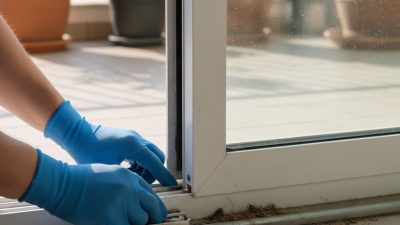
Check the entire door system, not only the pane. Strong glass cannot compensate for a weak frame or a poor lock. Look for secure glazing beads, anti-lift blocks, reinforced frames, and locks that engage deeply. A secondary pin or foot bolt can add resistance, but it must remain easy to operate during an emergency. Keep the track clean. A blocked track can prevent the door from closing fully.
During a practical inspection, examine glass edges for chips and confirm the safety marking is visible.
Ask a qualified installer to verify current local safety requirements, especially for wide panels and low-level glass. Insulating glass can also improve comfort, while a low-emissivity coating may reduce heat transfer. Still, coatings do not replace impact protection. No option is perfect. A rushed measurement, loose hardware, or forgotten key can undermine an otherwise careful installation. Test the lock after installation, and test it again after seasonal movement.
Low-E Coatings, Tinting, and Solar Heat Control
Choosing patio-door glass starts with climate, orientation, and room use, not appearance. The U.S. Department of Energy estimates that windows cause 25–30% of residential heating and cooling energy use. Large west-facing doors can intensify afternoon heat. Low-E coatings help by reflecting infrared energy while preserving daylight. In warm climates, choose glass with a lower solar heat-gain coefficient, or SHGC. In colder regions, a higher SHGC may provide useful winter warmth. The correct balance matters.
The National Fenestration Rating Council uses U-factor, SHGC, and visible transmittance, or VT, on performance labels. Lower U-factor means better insulation. Lower SHGC means less solar heat enters. For sunny rooms, spectrally selective Low-E glass can reduce heat without making the room gloomy. DOE Energy Saver guidance also notes that low-emissivity windows reduce energy loss, but installation quality remains critical. A poorly sealed frame can undermine excellent glass.
Tinting is more complicated than it looks.
Dark tint cuts glare and sunlight, yet it can reduce VT and alter indoor colors. It may also absorb heat, increasing thermal stress when specifications are unsuitable. Lawrence Berkeley National Laboratory research supports evaluating shading alongside glazing performance. I have seen homeowners select the darkest option, then turn lights on at noon. That choice looked efficient. It was not. Review the NFRC label, room orientation, shading, and local climate together before ordering.
Choosing the Best Glass for Your Climate and Home
In a hot, sunny climate, patio-door glass should limit unwanted solar heat. Double-pane insulated glass with a low-E coating can improve comfort and energy performance. A lower solar heat-gain coefficient, or SHGC, suits strong sunlight. South- and west-facing doors need extra care. Start with orientation. Clear glass may turn a living room into a greenhouse by late afternoon. Exterior shading can block heat before it reaches the glass. Climate changes everything.
Cold regions usually benefit from a lower U-factor, which indicates better insulation. Triple-pane glass can reduce heat loss near large openings. However, it adds weight and may require stronger door hardware. I would not choose it automatically. The frame, installation, and local winter temperatures also matter. Warm-edge spacers can reduce condensation around the glass edges. In humid homes, ventilation still deserves attention. Glass cannot fix every moisture problem.
For coastal or storm-prone areas, laminated glass can help hold fragments together after impact. Tempered safety glass is also commonly selected for patio doors. Homes beside busy streets may benefit from thicker laminated layers that reduce some outside noise. Ask a qualified installer to check the wall opening, drainage, air sealing, and door exposure. Small installation gaps can undermine expensive glass. Measure twice.