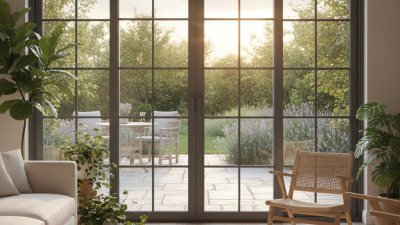
What is the Best Exterior Sliding Doors for Your Home?
When choosing exterior sliding doors, the decision can significantly impact your home's aesthetic and value. According to a recent report by the National Association of Realtors, adding sliding doors can increase property value by up to 10%. This statistic showcases the importance of selecting the right option for your space.
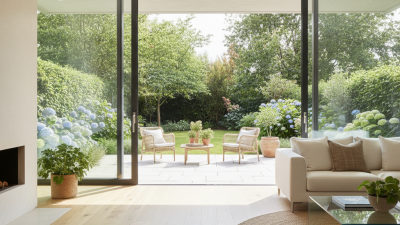
Exterior sliding doors are not only visually appealing, but they also enhance natural light. This can create a more inviting atmosphere indoors. A study by the American Institute of Architects found that homes with ample natural light tend to sell 20% faster. However, it’s essential to consider various materials and insulation ratings. These factors play a crucial role in energy efficiency and long-term durability.
Despite these benefits, homeowners often overlook crucial details while selecting exterior sliding doors. Misjudging the size or style can lead to costly renovations later. It's vital to conduct thorough research and consult experts in the field, ensuring your choice aligns with both your aesthetic preferences and functional needs. Balancing style, efficiency, and cost will lead to a more satisfying result.
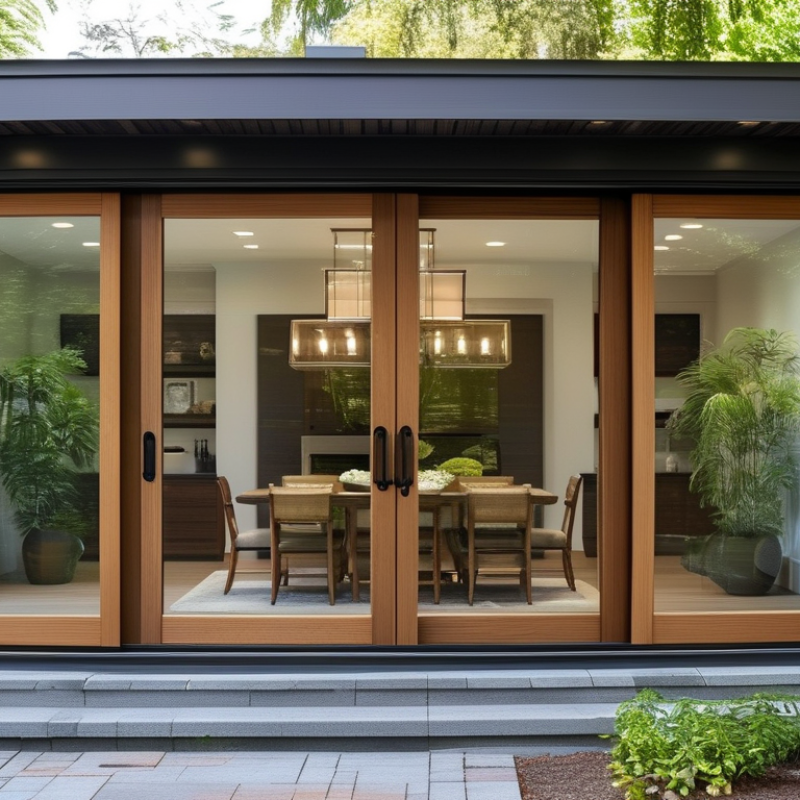
Types of Exterior Sliding Doors and Their Features
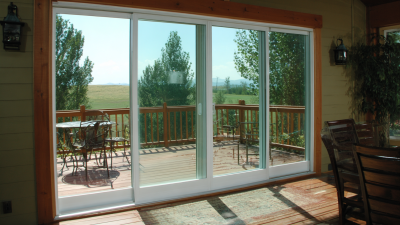
When selecting exterior sliding doors, several types offer distinct features. These doors can improve aesthetics while providing functionality. According to industry reports, around 30% of homeowners prefer glass sliding doors due to their ability to merge indoor and outdoor spaces seamlessly. These doors often feature double or triple-pane glass, enhancing energy efficiency.
Vinyl sliding doors are another popular choice, known for their durability and low maintenance. Reports indicate that vinyl can resist weathering and do not require painting. These doors are available in various colors, allowing customization to fit any home design. However, some homeowners may find that vinyl expands and contracts with temperature changes, possibly affecting the door's fit over time.
Wooden sliding doors add a classic touch with natural beauty. These doors can be well-insulated but require regular maintenance to prevent warping and fading. A significant percentage of homeowners prefer wood for its traditional feel, yet they must commit to upkeep. Ultimately, choosing the right exterior sliding door involves weighing aesthetic desires against practical considerations. Each type comes with its pros and cons, necessitating careful thought for lasting satisfaction.
Best Types of Exterior Sliding Doors and Their Features
Factors to Consider When Choosing Sliding Doors for Your Home
When choosing exterior sliding doors for your home, several factors warrant consideration. The most crucial aspect is the material. Common choices include vinyl, wood, and aluminum. According to a report by the National Association of Home Builders, vinyl doors are energy-efficient and require minimal maintenance. They can also provide good insulation, crucial in colder climates. Wood offers aesthetic appeal but requires more upkeep.
Another essential factor is security. A study by the Home Safety Council indicates that over 60% of break-ins occur through sliding doors. Therefore, opt for designs with sturdy locks and consider tempered glass for durability. Additionally, the door size and track system should suit your home's layout. A poorly fitting door can lead to energy inefficiencies, wasting up to 30% of heating or cooling costs.
Lastly, aesthetics and functionality play vital roles. Your sliding door should complement your home's style while providing easy access to outdoor spaces. Many homeowners overlook this aspect, leading to a mismatch in design. When selecting your doors, prioritize features that enhance both style and energy efficiency. Taking time to reflect on these elements can lead to a more satisfying choice.
What is the Best Exterior Sliding Doors for Your Home? - Factors to Consider When Choosing Sliding Doors for Your Home
| Feature |
Description |
Importance Rating (1-5) |
| Material |
Common materials include vinyl, aluminum, wood, and fiberglass. |
5 |
| Energy Efficiency |
Look for options with energy-efficient glass to reduce utility costs. |
5 |
| Security Features |
Consider locks, reinforced frames, and shatterproof glass. |
4 |
| Aesthetic Appeal |
Choose a design that complements your home's style and decor. |
4 |
| Width and Height |
Ensure the size fits your space and allows for smooth operation. |
3 |
| Maintenance |
Consider ease of cleaning and need for regular upkeep. |
3 |
| Cost |
Evaluate your budget and compare initial costs vs. long-term savings. |
5 |
Material Options for Exterior Sliding Doors: Pros and Cons
Choosing the right material for exterior sliding doors can significantly affect the aesthetics and durability of your home. Common options include wood, vinyl, aluminum, and fiberglass. Each material has its distinctive features, advantages, and drawbacks.
Wood is a classic choice known for its beauty and warmth. It provides excellent insulation and can be custom designed. However, it requires regular maintenance to prevent warping and rot. Vinyl sliding doors are low-maintenance and energy-efficient. They resist fading and rotting, but their appearance might lack the charm of wood.
Aluminum doors are incredibly durable and resistant to rust. Still, they can conduct heat or cold, potentially impacting energy efficiency. Fiberglass strikes a balance, mimicking wood's look while offering better durability, yet it can be pricier.
When evaluating these materials, consider your local climate and personal style. Each option has merits but requires careful thought. What works in one setting may not in another. It's important to assess not just immediate needs but long-term implications too. Reflect on the level of maintenance you are willing to commit to and how each material will contribute to your home's overall value.
Energy Efficiency and Insulation in Sliding Door Selection
Choosing the right exterior sliding doors is crucial for energy efficiency in your home.
Sliding doors can allow natural light into your space while providing insulation.
Selecting doors with high-quality glazing can significantly reduce heat transfer.
The type of material also plays a role in energy conservation.
For example, aluminum frames provide durability, but vinyl might offer better insulation.
Look for doors with a low U-value. This measurement indicates thermal performance;
lower values mean better insulation. Also, consider weather stripping. Properly sealed doors
prevent drafts and help maintain indoor temperatures. While aesthetics matter, energy
efficiency should be a top priority.
Reflect on your home’s climate. In colder regions, double or triple-pane glass is often essential.
In warmer areas, sun shades or reflective coatings can enhance efficiency. Understanding the
balance between style and function is vital. Each selection should be a thoughtful
choice, aiming for sustainability without sacrificing design.
Installation and Maintenance Tips for Exterior Sliding Doors
When considering exterior sliding doors for your home, proper installation and maintenance are crucial. According to the American Architectural Manufacturers Association, improper installation can lead to air leaks and energy loss. This can significantly increase heating and cooling costs. It’s vital to ensure that doors are level and securely anchored to avoid operational issues in the future.
Routine maintenance is essential for longevity. Clean the tracks regularly to prevent dirt accumulation. A simple mixture of soap and water can enhance smooth operation. Lubricating the rollers can also decrease friction. A study from the National Association of Home Builders emphasizes that well-maintained doors can last up to 30% longer. Homeowners should routinely inspect weather stripping as this can deteriorate over time, affecting insulation efficiency.
Despite best efforts, challenges may arise. Misalignment and wear are common issues. Regularly checking these components can help identify problems early. Engaging a professional for adjustments can be prudent. According to a report from the Home Improvement Research Institute, 20% of sliding door issues stem from neglected maintenance. A proactive approach is necessary for optimal performance and energy efficiency.