What is the Best Type of Exterior Patio Doors for Your Home
When it comes to enhancing the beauty and functionality of your home, choosing the right exterior patio doors is a crucial decision. These doors not only serve as a gateway to your outdoor space but also play a significant role in the overall aesthetic and energy efficiency of your property. With various styles, materials, and functionalities available, homeowners often find themselves pondering which type of exterior patio doors will best meet their needs while complementing their home’s design.
In the following exploration, we will delve into the different options of exterior patio doors, including sliding, hinged, and bi-fold designs, each offering unique benefits and aesthetics. Factors such as durability, maintenance, security, and insulation will also be examined to help guide homeowners in making an informed choice. By considering these elements, you can ensure that the exterior patio doors you select will not only enhance your home’s curb appeal but also provide lasting value and enjoyment for years to come.
Types of Exterior Patio Doors: An Overview
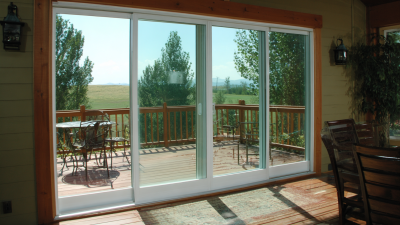
When selecting the best type of exterior patio doors for your home, it’s essential to understand the available options. Generally, there are three primary types of patio doors: sliding, hinged (French doors), and bi-fold doors. Sliding patio doors are popular for their space-saving design and ease of use, offering a seamless transition between indoor and outdoor living spaces. They typically feature large glass panels that allow for natural light and unobstructed views of your backyard.
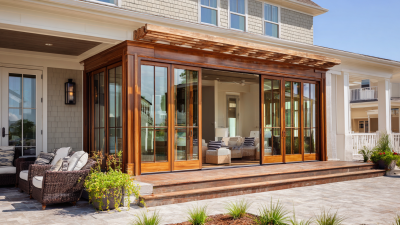
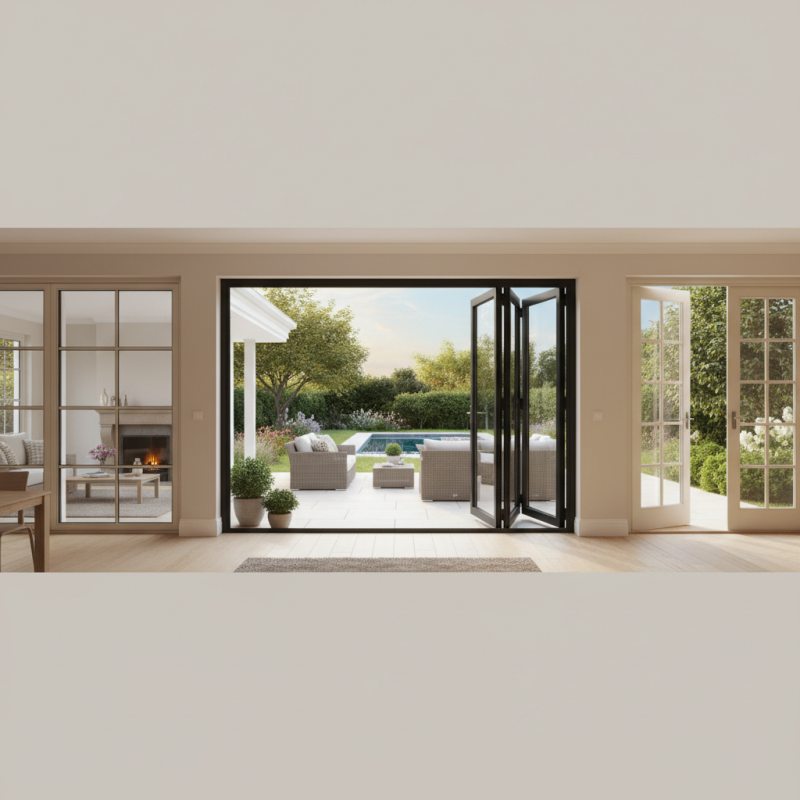
Hinged patio doors, commonly known as French doors, open outward or inward, providing a classic look and an elegant entrance to your patio. They can enhance the aesthetic appeal of your home while offering excellent ventilation when opened. On the other hand, bi-fold doors can completely open up a space, creating a wide opening that merges your home with your outdoor area. This option is ideal for entertaining and maximizing fresh air and light.
Tips: When choosing patio doors, consider energy efficiency and security features. Look for doors with tempered glass and sturdy locks for added protection. Additionally, choose materials that complement your home’s exterior, such as wood for a traditional feel or aluminum for a modern touch. Don't forget to think about maintenance; some materials require more upkeep than others, especially in varying weather conditions.
Factors to Consider When Choosing Patio Doors
When selecting patio doors for your home, there are several factors to consider to ensure you make the best choice. First, think about the material of the doors. Common materials include wood, fiberglass, aluminum, and vinyl. Each material has its own benefits: wood offers a classic look and excellent insulation, while fiberglass is durable and low maintenance. Consider the climate of your area as well; for example, vinyl is highly resistant to moisture and may be a better choice in humid regions.
Another important aspect is security. Look for doors with high-quality locking mechanisms and consider additional features such as reinforced frames or impact-resistant glass. This will provide peace of mind, particularly if your patio doors lead to an outdoor area that is less visible from the street.
Tips: When shopping for patio doors, always check the energy efficiency ratings, as good insulation can significantly reduce heating and cooling costs. Also, ensure that the style of the doors complements your home’s architecture. Opt for larger glass panels to maximize natural light, but balance this with the need for privacy. Lastly, don't forget to assess the ease of operation; smooth-gliding doors enhance the overall user experience.
Comparison of Different Types of Exterior Patio Doors
Comparing Materials: Wood, Vinyl, and Aluminum Options
When selecting exterior patio doors for your home, the choice of material plays a crucial role in both aesthetics and functionality.
Wood doors are often favored for their natural beauty and warmth, providing an inviting look that complements various architectural styles. They are customizable and can be stained or painted to match your home’s interior or exterior decor. However, wood requires regular maintenance, such as sealing and painting, to protect against moisture and warping.
Vinyl doors, on the other hand, offer a low-maintenance alternative with a range of styles and colors. Resistant to fading, cracking, and peeling, vinyl doors are a durable option that also provides excellent insulation properties. Their energy efficiency is a significant advantage, helping to maintain a comfortable indoor temperature while reducing energy costs. Additionally, vinyl doors are typically more affordable than wooden counterparts, making them a practical choice for many homeowners.
Aluminum doors present a modern and sleek option, showcasing a minimalist aesthetic. Known for their strength and resistance to rust, aluminum doors are ideal for homes in coastal areas where moisture is prevalent. They can support large glass panels, maximizing natural light and offering uninterrupted views. Though aluminum lacks the insulating properties of wood and vinyl, advancements in technology have led to thermal breaks that improve energy efficiency. Each material brings its own set of benefits and drawbacks, ultimately influencing the decision based on personal preference and specific home needs.
Energy Efficiency and Security Features in Patio Doors
When selecting exterior patio doors for your home, energy efficiency and security features are paramount considerations. According to the U.S. Department of Energy, nearly 30% of a home’s heating energy is lost through inefficient doors and windows. Therefore, choosing doors with a high energy efficiency rating can significantly impact your energy bills. Look for doors that are ENERGY STAR certified, which ensures they meet strict energy performance standards. Double or triple glazing, along with Low-E (low emissivity) glass, can help keep your home cooler in the summer and warmer in the winter, leading to an average savings of 7-15% on heating and cooling costs.
Security is another critical aspect when it comes to patio doors. A study by the National Association of Home Builders suggests that homes with secure patio doors reduce the likelihood of break-ins, as these doors can often serve as vulnerable entry points. Opting for doors made with reinforced frames and multi-point locking systems can provide an added layer of security, making it more difficult for intruders to gain access. Additionally, integrating smart locks or alarm systems with your patio doors can enhance security, offering peace of mind while ensuring your home remains accessible and inviting. Investing in energy-efficient and secure patio doors not only improves comfort and reduces costs but also safeguards your home against potential threats.
Design Styles and Aesthetic Compatibility with Your Home
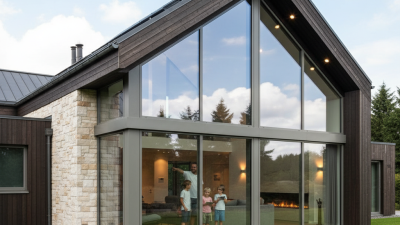
When selecting exterior patio doors, one of the key considerations should be their compatibility with your home's design style. According to a report by the American Institute of Architects, nearly 79% of homeowners prioritize aesthetics in their renovation projects, highlighting the importance of choosing doors that not only serve a functional purpose but also complement the architectural style of the home. For instance, contemporary homes often benefit from sleek sliding glass doors that emphasize openness and natural light, while traditional designs may lean more toward classic French doors that offer a timeless elegance.
Furthermore, the National Association of Home Builders states that homes with well-designed exterior doors can see a return on investment of up to 70% when it comes to resale value. This underlines the necessity of selecting doors that not only enhance aesthetic appeal but also align with broader design trends. Whether opting for the minimalist charm of a bi-fold door or the rustic allure of wood-framed models with decorative glass, ensuring your patio doors harmonize with your existing decor can significantly elevate both style and value.