What Are the 2026 Top Resin Insects?
What Are the 2026 Top Resin Insects? This question reaches beyond appearance. It involves preservation quality, educational value, ethical sourcing, and changing collector preferences. Resin Insects can display delicate wings, segmented bodies, and fine antennae with remarkable clarity. A well-made piece may resemble a tiny museum case held in the palm.
This guide examines the insects gaining attention in 2026. It considers butterflies, beetles, cicadas, dragonflies, and other commonly preserved specimens. Each category offers different visual strengths. Jewel beetles often provide metallic color. Dragonflies show elegant wing structures. Cicadas reveal unusual body shapes and detailed textures. Butterflies remain popular, but popularity does not always mean quality.
Careful evaluation matters. Experienced collectors inspect bubbles, cracks, discoloration, and uneven positioning. Educators also consider whether the specimen supports accurate learning. Reliable sellers should explain the insect’s scientific name, origin, preservation method, and sourcing practices. Documentation may be incomplete. That is worth admitting.
Ethical responsibility cannot be separated from collecting. Buyers should avoid protected species and products with unclear legal origins. Regulations differ between countries and may change over time. Responsible displays use legally obtained specimens and transparent supply chains. Some pieces are beautiful but poorly documented. They should not automatically rank among the best.
This overview offers a practical starting point. It does not pretend to create a permanent ranking. Trends shift. Resin quality varies between makers. Personal taste still matters, sometimes more than expected. The strongest choices combine visual impact, accurate identification, durable craftsmanship, and respect for biodiversity. Expect details, comparisons, and a few conclusions that deserve further questioning.
What Are Resin Insects and Why Are They Popular in 2026?
Resin insects are decorative or educational pieces cast in clear, colored, or bio-based resin. They may show butterflies, beetles, dragonflies, cicadas, or honeybees. Unlike living specimens, they offer stable display without feeding, handling, or seasonal care. Their appeal is visual and tactile: transparent wings, metallic shells, and tiny leg details remain visible on a desk or shelf.
Industry data helps explain the 2026 interest. Grand View Research reported that the global epoxy resin market was valued at over USD 10 billion in 2023, with continued growth expected through 2030. Mordor Intelligence also identifies decorative applications as an expanding resin-use segment. These reports do not measure insect designs directly. That limitation matters. Still, they show a larger material trend supporting craft, interior decoration, and educational products.
The top resin insects in 2026 are likely butterflies, jewel beetles, dragonflies, and cicadas. Butterflies suit jewelry and small frames because their wings create clear color layers. Beetles attract collectors through reflective surfaces and unusual body shapes. Dragonflies fit minimalist décor, while cicadas bring seasonal and natural-history interest. Responsible makers should use lawful, documented insect sources and avoid protected species. Reproductions can be the safer choice. I would not call one design universally “best.” Personal taste, casting clarity, durability, and ethical sourcing still change the ranking.
How Are the Top Resin Insects Selected and Classified?
What Are the 2026 Top Resin Insects?
The top resin insects in 2026 are selected through a practical, evidence-based review. Visual appeal alone is not enough. Each specimen is examined for anatomical clarity, preservation quality, educational value, and responsible sourcing. Beetles often rank highly because their wing cases show sharp detail and natural color. Dragonflies attract attention through transparent wings and delicate body structures. Butterflies are judged more carefully, since wing patterns can fade or become uneven inside resin.
Classification depends on several visible features. Entomologists and experienced collectors may group specimens by insect order, body structure, size, and preservation method. A clear block with minimal bubbles usually receives a stronger evaluation. Stable resin matters too. Poor materials can yellow, crack, or distort fine legs over time. That weakens both appearance and research value.
Some specimens are selected for rarity, while others earn recognition through exceptional detail. A cicada with visible veins and segmented antennae can be more valuable than a larger but damaged insect. Ethical collection records also matter. Legally obtained specimens support reliable classification and reduce harm to wild populations. Still, no ranking is perfect. Small bubbles may hide a wing vein, and lighting can change perceived color. My own evaluations sometimes shift after viewing a piece under daylight. That uncertainty deserves honest attention.
What Are the 2026 Top Resin Insects?
Resin insects are selected by combining fossil diversity, preservation quality, scientific research value, visual recognizability, and continuity across major amber deposits. The chart uses a comparative editorial index out of 100 rather than a total specimen count.
Classification follows major insect orders commonly reported from fossil resin: beetles, flies, ants and wasps, true bugs, termites and cockroaches, and butterflies and moths. Higher scores indicate stronger combined evidence across preservation, diversity, research importance, and educational value.
What Features Make Each Resin Insect Distinctive?
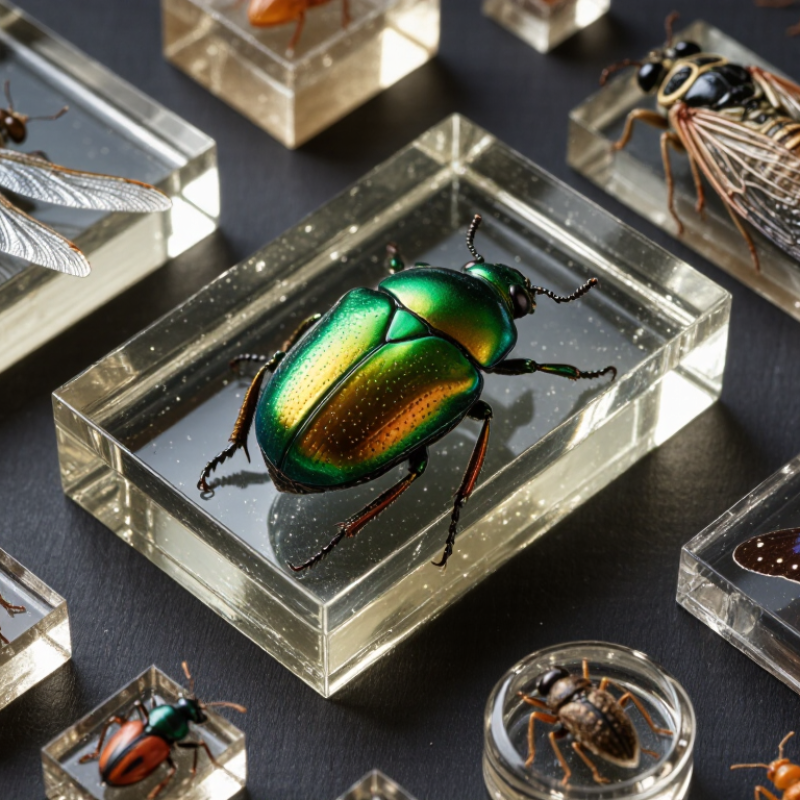
The 2026 top resin insects stand out through texture, color, and visible structure. Beetles remain popular because their rounded shells catch light like polished stones. Metallic green and deep blue tones create strong visual depth. Their tiny legs also reveal the maker’s attention to detail.
Butterflies offer a softer contrast. Their layered wings can preserve delicate patterns, while thin antennae add a fragile, lifelike quality. Dragonflies are distinctive for their transparent wings and long, balanced bodies. When suspended in clear resin, they appear almost weightless. Cicadas bring another character. Their ridged bodies, broad wings, and earthy colors create a more natural, seasonal feeling. Still, resin can slightly soften fine textures. That limitation deserves honest attention.
Tips: Choose pieces with clear resin and minimal bubbles. Check whether the insect’s body looks proportionate. Strong lighting may reveal scratches or uneven surfaces. Avoid judging color under dim light. I also recommend viewing the piece from several angles. A beautiful front view may hide cloudy edges. For reliable quality, examine preservation details, surface finishing, and material information from a transparent seller. Small flaws are not always serious. Sometimes they make the specimen feel less mechanical, though this depends on personal taste.
How Should Resin Insect Specimens Be Displayed and Preserved?
Resin insect specimens bring natural history into a compact display. In 2026, jewel beetles, cicadas, butterflies, and mantises remain popular choices. Their colors and body structures attract close inspection. Choose specimens with clear collection records and lawful origins. Protected species require extra caution. Popularity should never replace responsible sourcing.
Display each piece away from direct sunlight and strong indoor lighting. Ultraviolet exposure can fade wings and darken resin over time. Keep the display case near 18–24°C, with stable humidity. Avoid kitchens, bathrooms, windowsills, and heating vents. A small data card can record the insect’s common name, collection date, location, and preparation method. It adds meaning without overcrowding the case. Handle the block with clean, dry hands. Better still, use cotton gloves carefully.
Resin is durable, but it is not indestructible. Wipe dust with a soft, dry microfiber cloth. Never use alcohol, acetone, or rough paper on the surface. These materials may cloud or scratch the resin. Inspect the specimen every few months for yellowing, bubbles, edge cracks, or loose labels. Minor flaws are normal. I have learned that chasing perfect clarity can encourage careless cleaning. A slightly imperfect block may preserve its history better than an aggressively polished one. Store spare specimens in individual acid-free boxes, with silica gel nearby but not touching the resin.