2026 Top Dual Pane Windows Benefits and Features Explained
In today’s energy-conscious world, the benefits of dual pane windows are becoming increasingly evident. According to the U.S. Department of Energy, homes equipped with dual pane windows can save homeowners up to 30% on energy bills compared to single-pane options. These windows consist of two glass panes separated by a layer of gas, which provides superior insulation. Expert Clara Thompson, a renowned energy efficiency consultant, asserts, “Investing in dual pane windows is a step towards sustainable living and significant cost savings.”
As climate change concerns rise, the demand for efficient home solutions grows. Dual pane windows not only enhance energy efficiency but also reduce outside noise. A report from the National Fenestration Rating Council emphasizes improved comfort levels and increased property value. However, not all dual pane windows are created equal. Buyers need to be wary of poorly designed options that do not deliver the expected features. This can lead to underwhelming performance and lost investments.
Investing in dual pane windows is a commitment to both quality and sustainability. The right choice can make a substantial difference in energy consumption and comfort. However, the decision requires careful evaluation of available products in a diverse market. Balancing costs and benefits is crucial for homeowners looking to improve their living spaces effectively.
Overview of Dual Pane Windows and Their Basic Functionality
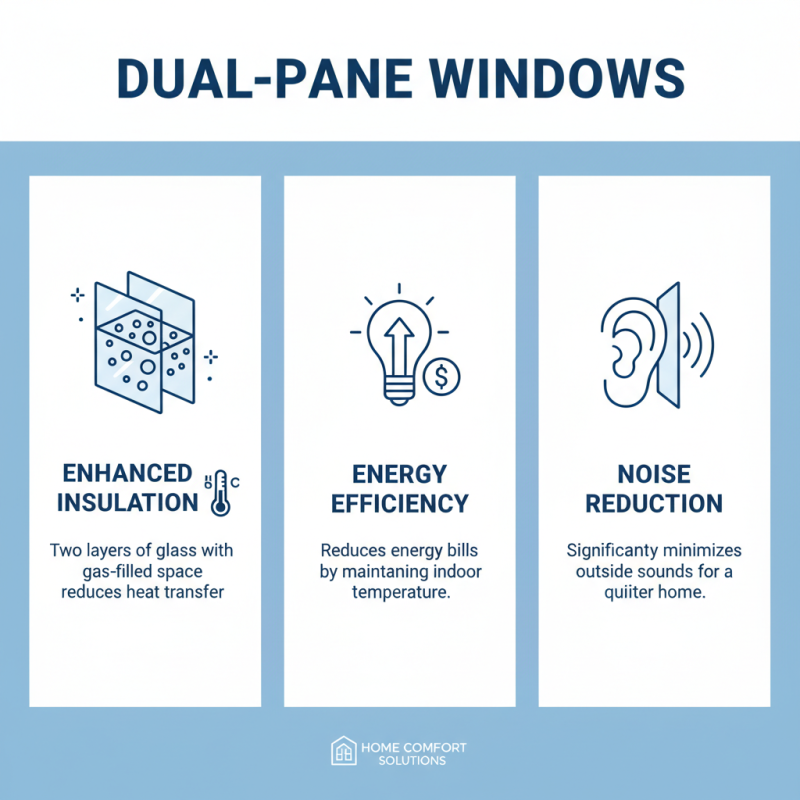
Dual pane windows have become a popular choice for homeowners. They consist of two layers of glass, separated by a space filled with gas. This design enhances insulation and energy efficiency. Many people enjoy the quiet that these windows bring, as they reduce outside noise.
These windows work by trapping air between the panes. This layer acts as a barrier to heat transfer. In summer, they keep the heat out; in winter, they retain warmth. This can lead to lower energy bills, but the initial investment may deter some.
While dual pane windows offer many benefits, there are considerations. They can fog up over time if seals fail. Cleaning can be challenging due to the design. Homeowners might overlook the maintenance needed for optimal performance. It's essential to weigh these factors before making a decision.
Key Benefits of Dual Pane Windows for Energy Efficiency
Dual pane windows offer significant benefits for energy efficiency. They consist of two glass panes separated by an insulating space. This design effectively reduces heat transfer. As a result, homes stay cooler in summer and warmer in winter. Many homeowners seek efficiency but overlook this detail.
In terms of insulation, dual pane windows excel. They block outside noise, providing a quieter indoor environment. This feature enhances comfort, especially in busy areas. Moreover, the improved insulation can lead to lower energy bills. A well-insulated home requires less heating and cooling. However, some may struggle with initial installation costs.
Another benefit is increased safety. Dual pane windows are harder to break compared to single-pane options. This added security provides peace of mind for families. Additionally, their durability often means fewer repairs. Yet, it's vital to regularly check seals and frames. Maintenance plays a key role in long-term efficiency. Overall, dual pane windows present a practical approach to energy conservation and home comfort.
Noise Reduction Features of Dual Pane Windows Explained
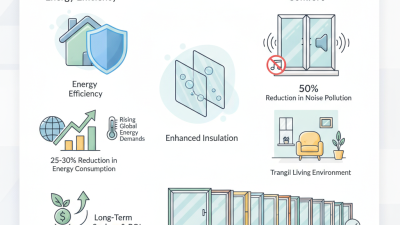
Dual pane windows are increasingly recognized for their superior noise reduction capabilities. Studies indicate that these windows can reduce outside noise by up to 50%. This makes a noticeable difference in urban environments, where traffic and other sounds can be overwhelming. The space between the panes acts as an effective buffer, minimizing sound transfer.
Noise reduction is crucial for comfort and well-being. Homeowners often report improved sleep and reduced stress levels. According to a report by the U.S. Department of Energy, using dual pane windows can lower indoor noise levels significantly, enhancing quality of life. However, not all installations achieve the same results. Proper sealing and quality installation are vital for optimal performance.
While dual pane windows offer many benefits, they aren’t flawless. Some users experience condensation issues, which can undermine insulation effectiveness. Regular maintenance is essential to address potential leaks. Selecting the right materials also plays a role; not every combination will yield the desired soundproofing. Hence, careful consideration is key in maximizing the advantages these windows bring.
Comparing Dual Pane Windows with Single Pane Alternatives
When comparing dual pane windows to single pane alternatives, the differences become clear. Dual pane windows consist of two glass layers. This setup creates an insulating air space between the panes. As a result, these windows provide better energy efficiency. They reduce heat loss in winter and keep homes cooler in summer.
On the other hand, single pane windows might be cheaper initially. However, they do little to regulate temperature. Homeowners often feel cold drafts in winter. Plus, single pane windows are more prone to condensation. This can lead to mold growth.
The initial investment in dual pane windows can be higher. Yet, they may save money over time on energy bills. Many homeowners notice a significant change in comfort. Still, not everyone may prioritize energy efficiency. Personal preferences and budgets lead to varied choices in window types.
2026 Top Dual Pane Windows Benefits and Features Explained
| Feature |
Dual Pane Windows |
Single Pane Windows |
| Energy Efficiency |
Better insulation, reduced energy costs. |
Poor insulation, higher energy costs. |
| Sound Insulation |
Reduces noise by up to 50%. |
Limited sound protection. |
| Condensation Resistance |
Less condensation buildup due to thermal breaks. |
Higher risk of condensation. |
| UV Protection |
Blocks up to 99% of harmful UV rays. |
Limited UV protection. |
| Safety and Durability |
Less likely to shatter; often laminated. |
More fragile, easy to break. |
| Cost |
Higher initial investment but lower long-term costs. |
Lower upfront cost but higher operating expenses. |
Factors to Consider When Choosing Dual Pane Windows for Your Home
When selecting dual pane windows for your home, several factors are crucial. First, consider the energy efficiency ratings. According to the U.S. Department of Energy, dual pane windows can improve energy efficiency by up to 30%. This can lead to substantial savings on energy bills over time. Look for the Energy Star label to find products meeting high efficiency standards.
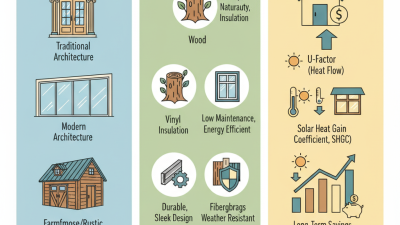
Another key consideration is the frame material. Vinyl, wood, and fiberglass each have distinct advantages. Vinyl is low maintenance but can warp in extreme temperatures. Wood provides excellent insulation, but it requires regular upkeep. Fiberglass is durable and energy-efficient, but it tends to be pricier. Balancing initial costs with long-term performance is essential.
Tip: Always check the U-factor and SHGC ratings. A lower U-factor indicates better insulation. A suitable SHGC rating can help manage heat gain from the sun.
Finally, aesthetics matter. Choose a style that complements your home’s architecture. The color and finish of the frames should match your design preferences. Keep in mind that redesigning window spaces can impact curb appeal and resale value.
Tip: Don’t rush this decision. Visualize how new windows will blend with your home. Take time to research and reflect on your choices. This ensures the best fit for your lifestyle.