2026 Best Windows and Doors for Your Home Upgrade Options?
Choosing the right windows and doors can significantly enhance your home. Experts, like Sarah Mitchell, emphasize, "Windows and doors are the eyes and shield of your home." This highlights their importance in both aesthetics and security.
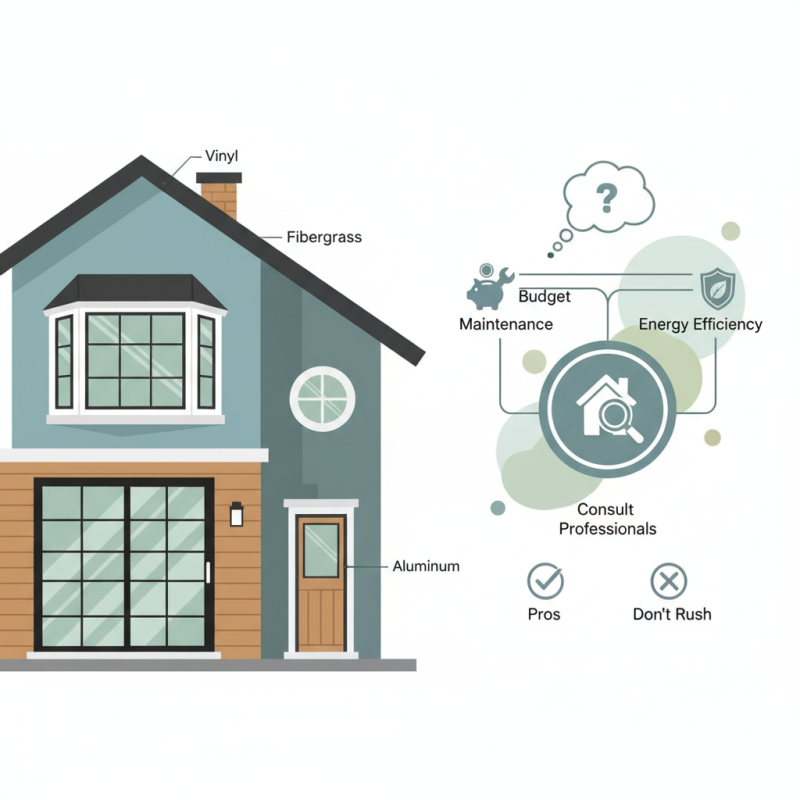
In 2026, the selection for upgrading your windows and doors is diverse. Modern designs blend functionality with style, offering energy efficiency and safety. Homeowners should consider materials like vinyl or fiberglass. These options require less maintenance and promise durability.
Yet, one might feel overwhelmed by the choices available. It's important to reflect on personal needs and budget constraints. Don't rush the decision. Consult with professionals, and weigh the pros and cons. Sometimes, the most popular options may not be the best fit for your home.
Types of Windows: A Comprehensive Guide to Styles and Materials
When upgrading your home, choosing the right windows is crucial. Different styles and materials can significantly impact both aesthetics and functionality. From traditional wood to modern vinyl, every material comes with advantages and challenges.
Wooden windows exude warmth but require regular maintenance. They can swell in humidity and show wear over time.
Vinyl, on the other hand, is low-maintenance and energy-efficient, yet some may not appreciate its plastic appearance.
Consider the type of window style that fits your home.
Double-hung windows allow for versatile ventilation but may collect grime in hard-to-reach areas.
Casement windows provide unobstructed views, yet they can be tricky to operate if not maintained properly.
Sliding windows offer ease of use, but they could potentially leak air if seals wear out.
Don't overlook the importance of installation quality—poorly installed windows can negate any benefits. Reflect on your needs and chosen aesthetic; the right windows should complement your home while enhancing comfort.
Understanding Door Options: Choosing the Right Styles and Materials
Choosing the right door styles and materials can elevate your home’s aesthetics. With numerous options available, it’s essential to focus on what suits your space. Consider your home's architecture and design theme. Materials like wood, fiberglass, and steel each bring unique benefits. Wood offers warmth but may require more maintenance. Fiberglass is durable and resistant to the elements. Steel provides security but can be less visually appealing.
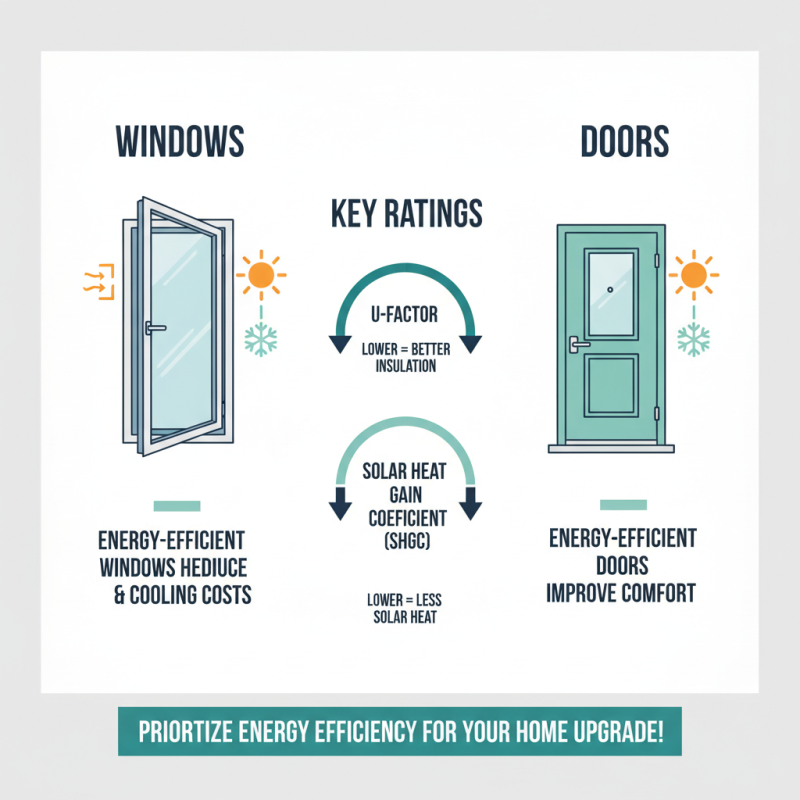
Tips: Think about insulation and energy efficiency. Doors with good seals can help reduce heating costs. Keep in mind the local climate when selecting materials. For example, coastal areas might need corrosion-resistant options.
When selecting styles, don’t overlook the details. Glass panels can boost natural light. However, they may reduce privacy. Consider the finish too. A bright color can make a bold statement while a muted tone can blend in peacefully. Reflect on how you use each entryway. High-traffic areas might need sturdy options, while decorative doors can suit less-functional spaces. Each choice has its strengths and weaknesses. Explore various options to find what resonates with your vision.
2026 Best Windows and Doors for Your Home Upgrade Options
| Type |
Style |
Material |
Energy Efficiency Rating |
Price Range ($) |
| Window |
Casement |
Vinyl |
Energy Star Certified |
300 - 600 |
| Window |
Double-Hung |
Wood |
High Performance |
500 - 900 |
| Door |
Patio |
Fiberglass |
Energy Efficient |
700 - 1200 |
| Door |
Entry |
Steel |
Insulated |
400 - 800 |
Installation Considerations: Professional vs. DIY Installation Techniques
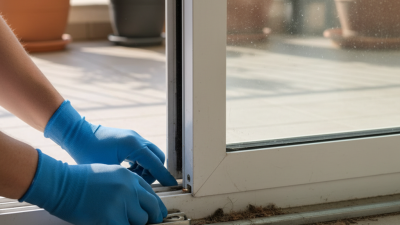
When upgrading your windows and doors, installation is a crucial aspect. Many homeowners face the choice between
professional services and DIY techniques.
According to a report from the National Association of Home Builders,
80% of homeowners prefer hiring professionals. They often cite
expertise and time savings as key factors.
However, DIY installations can save up to 30% on costs. The decision hinges on your skill level and confidence.
Professional installation ensures proper sealing and insulation. An improper seal can lead to energy loss.
Reports indicate that poorly installed windows can increase heating and cooling costs by up to 25%.
Yet, DIY enthusiasts might find satisfaction in completing their own projects. They can personalize designs based on their visions.
Mistakes do happen, though. Unlevel frames or incorrect sizes can lead to problems later.
Consider the longevity of the work involved. Professionals often provide warranties. DIY projects may lack this safety net.
It's essential to weigh the pros and cons of both methods thoroughly. Personal research is vital to determine which approach best suits your needs.
There’s always room for reevaluation in any home upgrade.
Trends in Home Design: Modern Upgrades for Windows and Doors in 2026
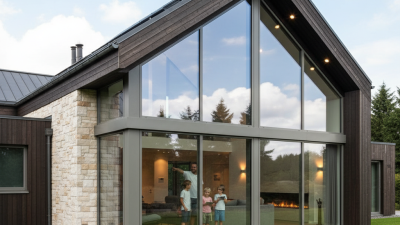
As we look ahead to 2026, the world of windows and doors is evolving. Homeowners are increasingly drawn to designs that offer both style and functionality. The trend embraces larger windows that flood spaces with natural light. This not only enhances ambience but also connects indoor and outdoor spaces. Sliding glass doors are becoming a favored choice, providing seamless transitions to patios and gardens.
In terms of materials, sustainable options are gaining traction. Homeowners are seeking energy-efficient windows that reduce environmental impact. Wood, aluminum, and composite materials are often chosen for their durability and aesthetic appeal. However, the challenge lies in balancing aesthetics with performance. Many find it hard to decide which features are truly essential. Some may overlook the importance of proper insulation or UV protection. These factors are crucial in ensuring long-lasting and efficient upgrades.
While design trends are exciting, it’s essential to reflect on personal needs. One must assess the climate and local environment when selecting new installations. Aesthetic choices should complement functional requirements. Achieving both can be a delicate balance, requiring thoughtful consideration of individual styles and practical needs.