2026 Best Sustainable Glass Bottles for Eco Friendly Packaging?
Sustainable Glass Bottles are emerging as a vital component in eco-friendly packaging. With growing concerns over plastic pollution, many brands are seeking alternatives that align with sustainability goals. Expert Hannah Green, a leading voice in the packaging industry, states, "Choosing Sustainable Glass Bottles is not just a trend; it’s a responsibility we all share."
Recent innovations in glass technology have made these bottles more accessible and appealing. Many consumers now favor these products for their recyclability and reusability. However, not all glass bottles are created equal. Some still rely on questionable sources for their materials. This reality urges consumers to stay informed about their choices.
The rise of Sustainable Glass Bottles presents an opportunity for brands to make substantial changes. Yet, challenges remain. Not every brand prioritizes sustainability as they should. Understanding which products genuinely meet ecological standards is crucial for both consumers and businesses alike. Thus, the journey towards better packaging solutions continues to evolve.
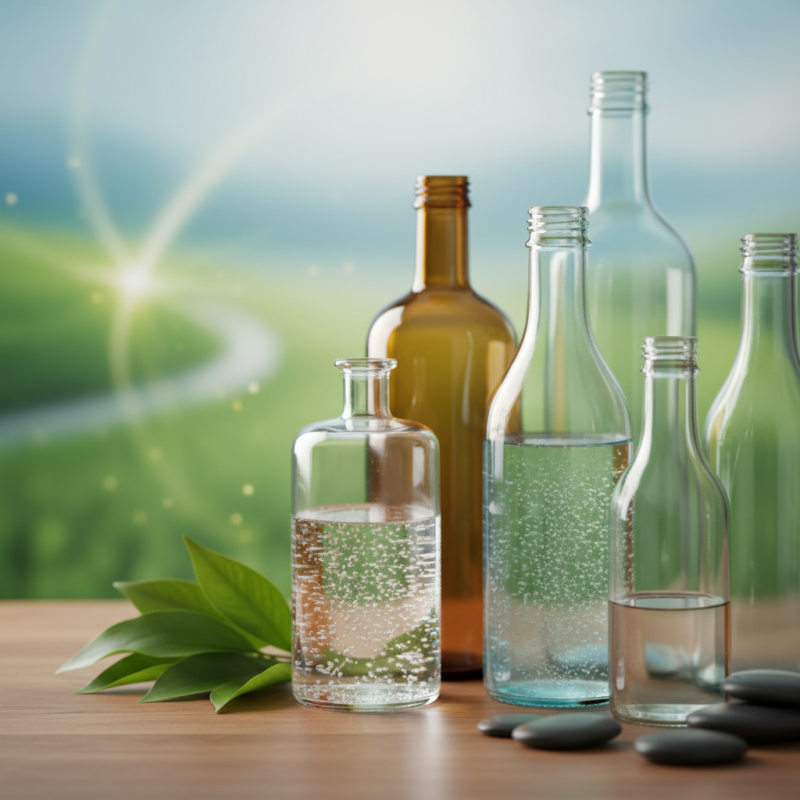
The Rise of Sustainable Glass Bottles in Eco-Friendly Packaging
The rise of sustainable glass bottles marks a significant shift in eco-friendly packaging. Consumers are increasingly aware of the environmental impact of single-use plastics. Glass bottles offer a reusable alternative that aligns with sustainability goals. Many see them as stylish and safe options for hydration and storage.
Adopting sustainable practices is crucial, but challenges remain. Glass can be heavy, increasing carbon emissions during transport. Not all recycling systems accept glass, adding complexity. Moreover, the production process consumes energy. However, as technology advances, these issues may be mitigated.
The focus now is on reducing packaging waste while promoting responsible consumption. Encouraging a circular economy requires collaboration among manufacturers, consumers, and legislators. Innovative designs make glass bottles more accessible. With growing awareness, the demand for eco-friendly solutions continues to rise. It is vital to tread carefully, ensuring that improvements benefit the planet effectively.
Industry Trends: Growth Rates and Market Demand for Glass Bottles
The demand for glass bottles is soaring, reflecting a shift towards sustainable packaging. According to a market research report, the global glass packaging market is projected to reach $160 billion by 2026, with a compound annual growth rate (CAGR) of 4.9%. This growth is driven by increasing consumer awareness of environmental issues and a preference for recyclable materials.
Recent studies indicate that 67% of consumers are willing to pay more for products in sustainable packaging. Glass bottles not only offer better recyclability but also enhance product safety and shelf life. An industry analysis highlights that the beverage sector is leading this trend, accounting for roughly 40% of the glass packaging market. However, challenges remain. The high energy consumption associated with glass production and transportation can detract from its environmental benefits.
As brands prioritize eco-friendly practices, innovative solutions are emerging. Lightweight glass options are being developed to reduce transportation emissions. Yet, not all manufacturers are adapting quickly. Some lag behind in implementing sustainable practices, risking loss of market share. The future success of glass bottles in sustainable packaging depends on the industry's ability to balance sustainability with efficiency.
Comparative Analysis: Glass vs. Plastic Bottling for Sustainability
The debate between glass and plastic packaging centers on sustainability. Glass offers an eco-friendly option. It is 100% recyclable and can be reused multiple times. This reduces landfill waste and conserves resources. The production of glass requires more energy, but this cost can be offset over its lifespan.
Plastic, on the other hand, presents challenges. While it is lightweight and cheaper to produce, it often ends up in oceans and landfills. Its recycling rates are low compared to glass. Many plastics contain harmful chemicals, further complicating their environmental impact.
Choosing between glass and plastic requires consideration. Glass is durable and clean but heavy and fragile. Plastic is convenient but polluting. A thoughtful approach to packaging could lead to better decisions for our planet. Reflecting on these factors is essential for making responsible choices.
Top Innovations in Glass Bottle Design for Eco-Conscious Consumers
As consumers increasingly prioritize eco-conscious choices, the glass bottle industry is evolving. Innovations in glass design are now more than just practical; they also focus on sustainability. Many bottles come with unique closures made from biodegradable materials. Such features appeal to consumers wanting to minimize plastic wastage.
Another notable trend is the use of recycled glass. This material helps reduce energy consumption in production. Many brands are opting for lighter, thinner bottles. While this change cuts transportation emissions, it raises concerns about durability. How fragile is too fragile? Consumers often worry about breakage during use.
Furthermore, personalized designs are becoming more popular. Custom glass bottles appeal to individual tastes, enhancing user experience. Yet, the underlying question remains: Are these designs strong enough for everyday needs? Striking a balance between aesthetics and functionality is a challenge in the evolving landscape. The question is, can those innovations truly meet eco-conscious standards while maintaining necessary quality?
Impacts of Glass Bottle Recycling on Environmental Sustainability
The impact of glass bottle recycling on environmental sustainability is significant. According to the Container Recycling Institute, recycling glass reduces greenhouse gas emissions by 30% compared to producing new glass. This benefit stems from using less energy and raw material. Each ton of recycled glass saves about 1.2 tons of natural resources. In an era of increasing resource depletion, these savings are crucial.
However, challenges remain. The recycling rate for glass bottles in the U.S. is only around 30%. Many consumers still dispose of glass in landfills. This not only wastes resources but also contributes to pollution. Education on proper recycling practices is essential. A 2021 study found that increased awareness can boost recycling rates by up to 20%.
Moreover, the lifecycle of glass should be considered. While it can be recycled repeatedly, the transportation of recyclable materials can generate carbon emissions. A local approach to recycling efforts can mitigate these effects. We need to examine how communities handle glass waste to ensure that the system is efficient. Investing in local recycling initiatives could enhance sustainability significantly.