2026 Best Retrofit Windows Types for Energy Savings?

2026 Best Retrofit Windows Types for Energy Savings?

Choosing the best retrofit windows in 2026 means looking beyond glass labels and attractive frames. It means understanding the building.

A drafty 1970s house may lose heat through loose sashes, unsealed trim, and poorly insulated cavities. A historic brick home may need secondary glazing instead of full replacement. A coastal property faces different risks from a dry, cold climate. These details matter.

Joseph Lstiburek, a building scientist and founder of Building Science Corporation, often uses a simple description: “A window is a hole in the wall.” That reminder keeps energy savings practical. Even advanced glazing cannot perform well when installation leaves gaps around the frame.

This guide examines retrofit windows that can reduce heating and cooling demand without ignoring comfort, moisture, or architectural character. We will compare double-pane and triple-pane units, low-emissivity coatings, secondary glazing, insert replacements, and full-frame systems. We will also consider frame materials, solar heat gain, air leakage, and installation quality.

The “best” option is not universal. Sometimes a well-sealed double-pane window beats an expensive triple-pane product. Sometimes it does not.

That is the difficult part.

Real performance depends on climate, wall design, window orientation, and contractor skill. A warm southern room may benefit from lower solar gain, while a northern room may need more winter sunlight. The wrong specification can increase condensation or reduce daylight.

Energy savings begin with diagnosis, not guesswork. This 2026 overview offers evidence-based guidance, while acknowledging one uncomfortable truth: replacement windows cannot repair every weak point in an aging building.

2026 Best Retrofit Windows Types for Energy Savings?

Retrofit Window Basics: U-Factor, SHGC, VT, and Air-Leakage Ratings

2026 Best Retrofit Windows Types for Energy Savings?

Retrofit Window Basics: U-Factor, SHGC, VT, and Air-Leakage Ratings

Choosing retrofit windows starts with measurable performance, not appearance alone. U-factor shows how quickly heat passes through the window. Lower values usually mean better insulation. In a cold climate, this rating deserves close attention. I have seen comfortable rooms become drafty after installers ignored the existing wall condition.
SHGC measures how much solar heat enters through the glass. A higher rating can help warm a shaded home during winter. However, it may increase summer cooling loads on sunny south- or west-facing windows. Window orientation, exterior shading, and local climate should guide the decision. One rating rarely fits every room.
VT, or visible transmittance, indicates how much daylight passes indoors. Higher VT can reduce daytime lighting needs, but very bright glass may create glare. Air-leakage ratings describe how much air moves through the closed window assembly. Lower leakage is generally preferable. Ask for independently verified performance labels and compare the installation method.
The frame must fit the rough opening carefully. Even excellent glass performs poorly around gaps, compressed insulation, or incomplete flashing. A site inspection can reveal moisture damage and uneven framing before ordering. I would not trust a low U-factor alone. Measurements, workmanship, and realistic ventilation needs matter too. Some recommendations remain uncertain until the building is tested in actual weather.

Low-E Double Glazing: DOE Finds 30–50% Less Window Heat Loss

2026 Best Retrofit Windows Types for Energy Savings?

Low-E double glazing remains a practical retrofit choice for many homes. The U.S. Department of Energy reports that advanced low-emissivity window systems can reduce window heat loss by roughly 30–50%, depending on climate, framing, and installation quality. A thin metallic coating reflects indoor heat back into the room during winter. The sealed air or argon-filled cavity adds another layer of resistance. Notice the difference near the glass.

ENERGY STAR technical guidance identifies U-factor and solar heat gain coefficient as critical performance measures. Lower U-factor values generally mean better insulation. In cold climates, homeowners may prefer low U-factor glass with moderate solar gain. In warmer regions, a lower solar heat gain coefficient can reduce afternoon cooling demand. The National Fenestration Rating Council recommends comparing certified labels, not advertised claims. Frame material matters too. A poor frame can weaken good glazing.

Field experience shows that installation often decides the final result. Uneven shims, compressed seals, and gaps around the rough opening can create drafts. DOE retrofit guidance also notes that air leakage can undermine expected savings. A careful installer should inspect the sill, use compatible flashing, and seal interior and exterior edges correctly. The 30–50% figure is useful, but it is not universal. Existing glass, weather exposure, shading, and occupant habits change outcomes. That uncertainty deserves more attention.

2026 Best Retrofit Windows Types for Energy Savings? - Low-E Double Glazing: DOE Finds 30–50% Less Window Heat Loss
Retrofit Window Type Typical Glazing Configuration Typical U-Factor
(Btu/h·ft²·°F)
Typical SHGC Range Heat-Loss Performance Best Retrofit Application Key Considerations
Low-E Double-Glazed Replacement Window Two panes with an air or argon-filled cavity and a low-emissivity coating 0.25–0.35 0.27–0.63 Approximately 30–50% less window heat loss than many older clear-glass windows, depending on the existing window, frame, installation, and climate Most balanced option for typical residential retrofits Strong efficiency-to-cost ratio; select SHGC according to climate, orientation, and cooling needs
Low-E Triple-Glazed Replacement Window Three panes with two insulating cavities and low-emissivity coatings 0.15–0.25 0.20–0.55 Generally provides the lowest conductive heat loss among common replacement options Cold climates, high-altitude locations, and rooms with severe winter comfort problems Higher purchase price and weight; frames and hardware must be designed for triple glazing
Low-E Interior or Exterior Storm Window Secondary low-E pane installed over an existing single-pane or older window 0.35–0.55 0.25–0.65 Can substantially reduce heat transfer while retaining the original window frame Historic homes, rental properties, and projects where full replacement is not practical Requires accurate measurement, air-sealing, drainage provisions, and compatible existing frames
Double-Glazed Clear Replacement Window Two clear glass panes with an air or argon-filled cavity and no low-E coating 0.48–0.60 0.60–0.75 Better than single glazing, but normally less efficient than a comparable low-E double-glazed unit Budget-sensitive replacements where solar gain and visible light are prioritized Higher winter heat transfer than low-E glazing; clear glass may increase summer cooling loads
Single-Pane Clear Window One clear glass pane, typically in an older wood or metal frame 0.95–1.20 0.70–0.85 High conductive heat loss and limited interior-surface temperature control Existing baseline condition rather than a recommended 2026 retrofit solution Often benefits from air-sealing, interior or exterior storm windows, or full replacement
Secondary Glazing with a Low-E Panel Independently operable low-E panel mounted inside the existing window opening 0.30–0.50 0.25–0.65 Improves insulation and reduces drafts without removing the original primary window Historic façades, preservation projects, and buildings requiring reversible upgrades Can improve acoustic performance; maintain ventilation and manage condensation risk
Technical values are typical ranges for complete window systems and can vary by frame material, spacer, gas fill, coating, operating style, and certification method. Lower U-factor indicates lower heat transfer. SHGC indicates the fraction of incident solar radiation admitted through the window; a lower value generally reduces unwanted solar heat gain.

Triple Glazing: Compare NFRC U-Factors With Added Weight and Cost

2026 Best Retrofit Windows Types for Energy Savings?

Triple glazing can reduce heat transfer, but the NFRC U-factor deserves closer attention than glass thickness alone. A lower U-factor generally indicates better insulation performance. Compare the complete window rating, not only the center-of-glass value. Frames, spacers, and operating hardware can change the final result.

In a retrofit project, triple-pane units often add noticeable weight. Older frames may need stronger hinges, deeper pockets, or careful sill preparation. The purchase price also rises, and installation labor can increase. Yet the energy benefit may be worthwhile in cold climates, especially beside drafty walls or north-facing rooms. An airtight installation remains essential. A highly rated window performs poorly when gaps surround the frame.

Tips: Request NFRC-certified whole-window U-factors and visible rating labels. Compare similar sizes and operating styles. Ask the installer how existing openings will support the added weight. Check condensation risk, especially in humid rooms. Do not assume the lowest U-factor creates the fastest payback. Utility rates, climate, window orientation, and installation quality matter. I would also inspect the old frame before choosing triple glazing. Sometimes the opening needs repair first. That detail is easy to miss.

2026 Best Retrofit Window Types for Energy Savings

Triple glazing can lower heat transfer substantially, but the improvement comes with added sash weight and higher project cost.

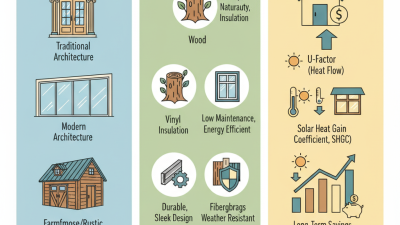
Lower NFRC U-factors indicate better insulation. Values shown are representative whole-window benchmarks commonly found in residential NFRC-rated products: double clear glass at 0.48, double low-emissivity glass at 0.30, triple low-emissivity glass at 0.20, and triple low-emissivity glass with krypton gas at 0.16 Btu/(h·ft²·°F). Relative weight and cost are planning indexes, with double clear glass set to 100. Actual performance, structural requirements, and installed pricing vary by frame, spacer, size, climate, and installation method.

Frame Types: Vinyl, Fiberglass, and Wood in NFRC Performance Ratings

For 2026 retrofit projects, frame material matters, but NFRC ratings matter more. The U.S. Department of Energy estimates that windows can cause 25–30% of residential heating and cooling energy use. A poorly rated window can waste savings, regardless of its frame.

Vinyl frames usually offer affordable insulation and little maintenance.

Fiberglass frames resist expansion and contraction, which can support long-term seal performance.

Wood provides a warm interior surface and strong insulation, but it needs regular protection from moisture.

These are general tendencies, not guarantees. NFRC certification measures the complete window, including glass, spacer, frame, and seals.

Compare U-factor, SHGC, air leakage, and visible transmittance.

Lower U-factor usually means better insulation.

SHGC requires climate judgment: lower values reduce summer heat, while higher values may help sunny winter rooms. A higher rating is not always better.

Tips:

Ask for the NFRC label, not a sales estimate. Confirm whether ratings apply to the exact size and operating style. Check installation details, too.

An excellent window can underperform when flashing, shimming, or air sealing is poor. DOE retrofit guidance repeatedly identifies installation quality as a practical energy factor.

My own caution is simple: frame comparisons can become misleading when glass area, orientation, and local weather are ignored. Review utility goals and condensation risk before choosing vinyl, fiberglass, or wood.

ENERGY STAR Data: Efficient Replacements Save 7–15% on Annual Energy Bills

2026 Best Retrofit Windows Types for Energy Savings?

ENERGY STAR data indicates that efficient window replacements can reduce annual household energy bills by about 7–15%. The actual result depends on climate, window area, installation quality, and existing insulation. A low-emissivity double-pane window is often a practical retrofit choice for moderate climates. Triple-pane units can provide stronger insulation in colder regions, but their added cost may reduce payback speed. Low-e glass helps limit winter heat loss and summer heat gain. It works quietly, behind the glass.

For older homes, consider insert replacements when the existing frame remains sound. They disturb less trim and may lower labor time. Full-frame replacements suit damaged frames, water intrusion, or serious air leakage. A certified installer should check the sill, flashing, drainage, and square alignment before sealing the opening. Small gaps can undermine expensive glass. Very important.

ENERGY STAR figures are useful benchmarks, not guarantees. A shaded south-facing window may save less than an exposed west-facing window. Curtains, weatherstripping, and attic insulation also affect the final bill. I would question any quote promising identical savings for every home. Measure comfort room by room, compare utility records, and request the window’s U-factor and solar heat gain coefficient. Numbers matter. Yet installation still decides much of the outcome.

Request Your FREE Quote